
The Reduction of Clutter and Sustainability: How to Let Go and Contribute to a Greener Future in Nigeria

The Impact of Clutter on Daily Life
In the current landscape of urban Nigeria, the abundance of goods accessible to consumers has led many to accumulate possessions that contribute little to their quality of life. The experience of living in cluttered spaces can elevate stress levels, making it difficult to focus and enjoy daily activities. This overwhelming presence of items can also obscure the beauty of simple living, creating a disconnect between individuals and their environment.
Connecting Decluttering to Sustainability
Reducing clutter goes beyond personal aesthetics; it is a vital aspect of sustainability and environmental stewardship. Many Nigerians are beginning to recognize that by minimizing excess, they can actively participate in preserving the planet. The symbiotic relationship between clutter reduction and sustainable practices can significantly influence both individuals’ lives and the greater community.
Minimizing Waste
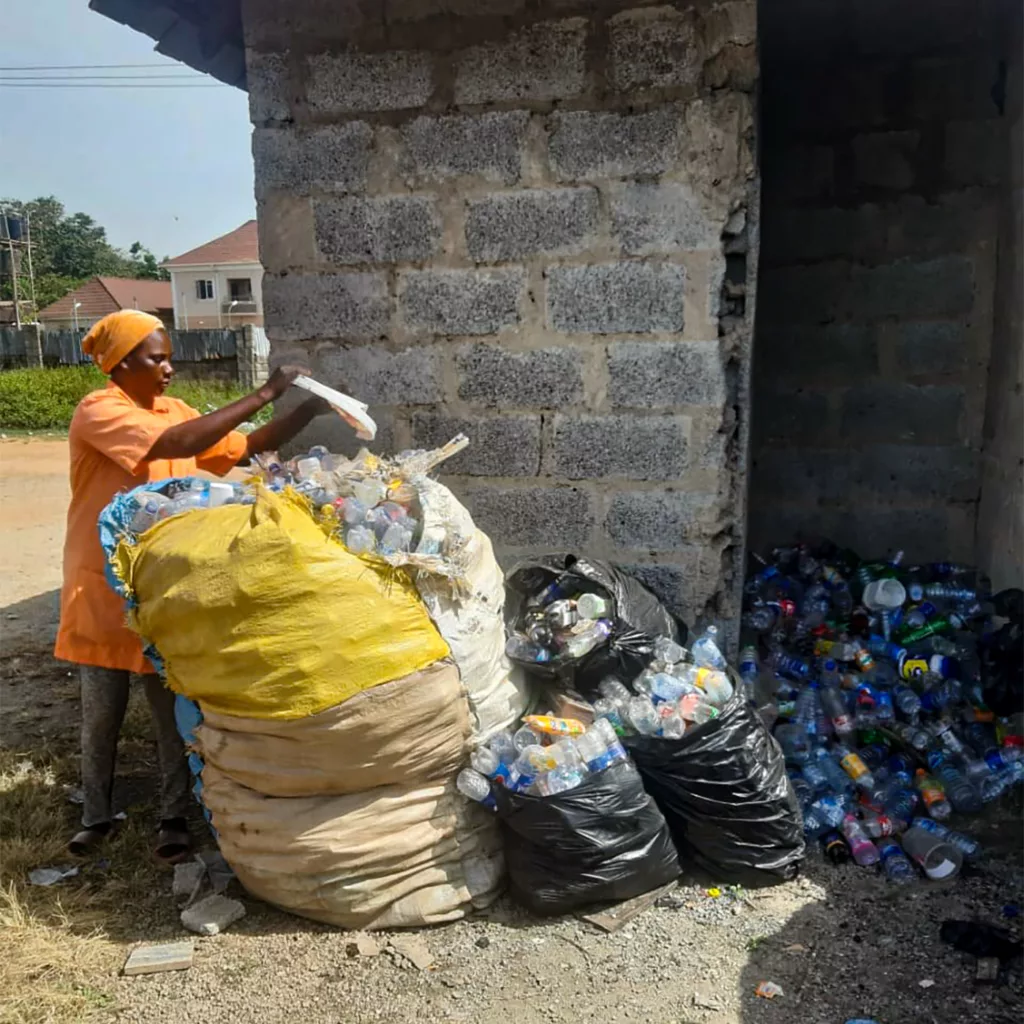
One effective way to contribute to environmental health is through waste minimization. In Nigeria, where waste management is a pressing issue, whether in bustling cities like Lagos or quieter towns, decluttering can lead to notable reductions in the amount of garbage generated. For example, by regularly assessing household items and donating or recycling what is no longer needed, families can substantially cut down on their contributions to landfills.
Embracing Sustainable Living
Adopting a minimalist mindset encourages individuals to prioritize quality over quantity. This often results in a greater reliance on eco-friendly products, such as locally made crafts or organic foods that support local economies and reduce environmental footprints. For instance, using reusable bags and containers instead of single-use plastics not only lessens waste but also promotes a cultural shift towards responsible consumption.
Decreased Consumption
By consciously choosing to own fewer items, individuals directly decrease the demand for resources required to produce new products. This shift can lead to a reduction in the energy and raw materials consumed, fostering a more sustainable cycle of consumption. Even small actions, like repairing rather than replacing items, can lead to a cumulative positive effect on the environment.
The Broader Implications in Nigeria
The benefits of clutter reduction extend far beyond personal well-being. When embraced on a larger scale, this lifestyle choice can lead to a cleaner environment that improves urban sanitation and public health. In Nigeria, where littering and waste collection pose significant challenges, communities can work together to create solutions that prioritize cleanliness and public health standards.
Encouraging Community Soul
Decluttering serves as a catalyst for community engagement. It fosters a culture of sharing and recycling, where neighbors exchange goods and organize community clean-up drives. This not only strengthens social bonds but also cultivates a shared responsibility for the environment, encouraging citizens to become more involved in local initiatives.
Creating Economic Opportunities
A move towards decluttering and sustainability can indeed support local artisans and enhance the recycling industry. For instance, transforming discarded items into new products can spur creativity and provide economic opportunities for many Nigerians, particularly in artistic communities. Such initiatives can invigorate local economies while simultaneously addressing waste issues.
In conclusion, the act of letting go, whether of physical items or unsustainable habits, paves the way for a collective journey towards a healthier, greener Nigeria. By understanding the profound impact of reducing clutter, individuals can contribute not just to their individual well-being but to the future sustainability of their communities and the environment. Embrace the simplicity that comes with decluttering, and together, let’s strive for a cleaner and more sustainable Nigeria.
RECOMMENDED: Check out this similar article
Understanding the Connection Between Clutter and Environmental Sustainability
In Nigeria, the implications of overwhelming clutter extend from personal living spaces to significant environmental concerns. As individuals accumulate items that often go unused, they inadvertently contribute to an escalating cycle of consumerism. This cycle not only affects mental and emotional well-being but also exerts pressure on the already strained resources of our planet. Recognizing this connection is the first step toward a more sustainable way of living.
The Ecological Footprint of Accumulating Goods
The more we own, the more resources we consume. In cities like Lagos, for example, rising consumer demand drives an increase in production, leading to greater extraction of materials, which significantly impacts our environment. The environmental costs of manufacturing new products—ranging from air and water pollution to deforestation—are not often considered in our daily choices. By reducing clutter and prioritizing sustainable practices, individuals can begin to lessen this ecological footprint.
Shifting Mindsets: From Consumption to Mindfulness
A growing movement encourages Nigerians to shift their focus from mindless consumption to mindful living. This can involve asking critical questions before making a purchase, such as:
- Do I really need this item?
- How will this support my daily life?
- Is there a more sustainable alternative available?
By fostering a mindful approach to consumption, individuals can cultivate a sense of responsibility and stewardship over their personal belongings and the broader environment.
Emphasizing the Three Rs: Reduce, Reuse, Recycle
The principles of Reduce, Reuse, and Recycle (the three Rs) are fundamental to clutter reduction and sustainability. Here’s how these principles can be applied in everyday life in Nigeria:
- Reduce: Limit purchases and focus on essential items to curtail unnecessary waste.
- Reuse: Find creative ways to repurpose items rather than discarding them. For instance, glass jars can be turned into storage containers or decorative pieces.
- Recycle: Participate in local recycling programs to ensure that waste is processed responsibly rather than ending up in landfills.
These actions may seem small, but when adopted collectively, they can lead to substantial improvements in waste management practices nationwide.
Understanding Local Impacts and Solutions
In many Nigerian communities, the challenge of waste management is compounded by inadequate infrastructure and public awareness. By embracing a clutter-reducing lifestyle, individuals play a crucial role in addressing these issues. Engaging with local initiatives—such as clean-up drives and awareness campaigns—can help foster a sense of community and shared responsibility for the environment.
Through the lens of sustainability, decluttering becomes an integral part of a larger conversation about health, community, and environmental stewardship. By letting go of excess, Nigerians can contribute to not just personal well-being, but also a greener, more sustainable future for everyone.
| Advantage | Impact on Sustainability |
|---|---|
| Decluttering Spaces | Creates a more efficient use of resources and enhances the overall ambiance. |
| Promoting Recycling | Encourages the transformation of waste into reusable materials, reducing landfill dependency. |
In the quest to contribute to a greener future in Nigeria, tackling the issue of clutter is paramount. The act of decluttering spaces leads to a viral effect, extending beyond personal spaces to the community. By removing unnecessary items, individuals can create more room for essential and eco-friendly products. The resultant effect of this is a natural enhancement to one’s *environment*, promoting better mental well-being and productivity. Furthermore, promoting recycling is another critical avenue for sustainability. In Nigeria, transitional efforts to encourage recycling not only prevent waste but also foster the creation of jobs in the green economy. An increase in the recycling rate means a significant drop in pollution and the conservation of resources. With a collective effort to enhance recycling initiatives, individuals become part of a larger movement that supports sustainable practices, amplifying the benefits seen throughout society. The synergy between decluttering and recycling emphasizes community responsibility and stewardship towards environmental management, making this an essential part of Nigeria’s journey towards sustainability. In the following sections, we will explore practical steps for implementing these strategies in daily life.
YOU MAY ALSO LIKE: Read read another article
Building Sustainable Communities Through Decluttering
As the issue of waste continues to loom large in Nigeria, the need for community-driven solutions has never been more vital. The cycle of clutter can be tackled not just at an individual level, but also through collective action. When communities come together to advocate for sustainable practices, the impact can be transformative.
Community Initiatives and Local Resources
Across various regions of Nigeria, numerous local initiatives are poised to assist citizens in managing clutter while promoting environmental sustainability. For instance, community centers in urban areas often host swap markets where residents can exchange items they no longer need rather than discarding them. This concept not only reduces waste but also reinforces community bonds.
Moreover, local environmental NGOs often coordinate waste segregation workshops, empowering participants to discern between recyclable and non-recyclable materials. Such workshops play a critical role in enhancing awareness and skills for better waste management practices.
Leveraging Technology for a Sustainable Future
In today’s digital age, technology can significantly enhance the approach to clutter reduction and sustainability. Online platforms and social media groups provide a space for Nigerians to share tips on decluttering, promote environmentally friendly products, and market second-hand items. For instance, apps focused on sharing and trading can facilitate easy swapping of goods among neighbors, minimizing the need for new purchases.
Additionally, e-commerce websites could pave the way for a sustainable marketplace, where vendors are encouraged to sell upcycled products made from waste materials. This scenario not only mitigates clutter but also promotes creativity and innovation in tackling environmental issues.
Incorporating Cultural Practices into Modern Sustainability
Nigeria possesses a rich cultural heritage, and many traditional practices inherently align with sustainable living. For example, the custom of reusing and repairing household goods rather than discarding them can be emphasized and revitalized among younger generations. Encouraging stories of artisans who create beautiful items from scrap materials can foster a renewed interest in sustainability.
Furthermore, integrating cultural events like the famed Environmental Day celebrations can effectively engage communities. These events serve as a platform to educate the public on the benefits of decluttering and provide a joyful approach to participation in environmental protection.
Education as a Tool for Change
The importance of education in driving the message of decluttering and sustainability cannot be overstated. Schools and universities have an important role to play in instilling values of environmental stewardship among young Nigerians. By integrating sustainability into the curriculum, students can better understand the significance of minimalism and the ecological impacts of their choices.
Projects that involve students in local clean-up drives or recycling initiatives not only enhance their understanding of sustainable practices but can also inspire them to become lifelong advocates for clutter reduction and environmental care.
As individuals and communities in Nigeria embrace the interconnectedness of clutter reduction and sustainability, the opportunity for collective transformation continues to grow. By leveraging local resources, technology, cultural traditions, and education, citizens can actively participate in creating a greener future for Nigeria.
CHECK OUT: Click here to explore more
Conclusion: Embracing Change for a Greener Nigeria
The journey toward a cleaner, more sustainable Nigeria begins with each individual’s willingness to let go of clutter and embrace responsible consumption. By understanding the deep-rooted connections between clutter reduction and environmental sustainability, we can reshape our lifestyles and communities for a greener future. As highlighted throughout this article, local initiatives, cultural practices, and educational programs serve as vital catalysts in this transformation.
Effective collaboration among community members fosters innovative solutions to waste management while promoting sustainability. Community-driven efforts, such as swap markets and recycling workshops, exemplify how collective actions can yield significant environmental benefits. Furthermore, leveraging technology not only enhances access to sustainable alternatives but also facilitates meaningful exchanges of goods, thereby reducing waste.
The incorporation of traditional Nigerian practices, such as reusing and repairing, can significantly impact personal consumption patterns. By emphasizing these sustainable habits among the youth through educational initiatives, we lay the groundwork for a future generation committed to environmental stewardship.
Ultimately, embracing decluttering as a lifestyle choice opens doors to a greener Nigeria. As we collectively take small yet impactful steps towards sustainable living, we not only enhance our own well-being but also contribute to the preservation of our ecosystems for generations to come. Now is the time to act; let us come together to create a vibrant, sustainable environment that will benefit all Nigerians and the planet alike.