Menu

The Psychology of Functional Aesthetics: How Minimalist Environments Influence Our Emotions and Behaviors

Minimalist environments significantly impact our emotions and behaviors by reducing stress and enhancing focus. These spaces promote emotional well-being through clarity and intentionality, fostering mindfulness and deeper connections to cultural identity. Embracing functional aesthetics leads to improved mental health, making minimalism a vital consideration in modern design.

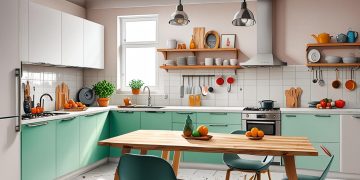
The Functional Aesthetics in the Minimalist Kitchen: Optimizing Spaces for Practicality and Style

This article explores how functional aesthetics enhance minimalist kitchen design, emphasizing the balance of practicality and style. It highlights the importance of organized spaces, multi-functional furniture, and cultural elements, promoting a vibrant cooking environment that fosters family bonding and efficiency, particularly within Nigerian culinary traditions.

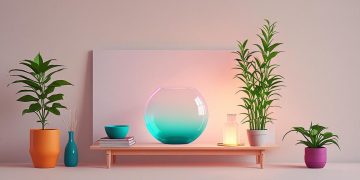
The Connection between Functional Aesthetics and Mindfulness: Living Intentionally in Minimalist Environments

This article explores how functional aesthetics in minimalist environments enhances mindfulness and intentional living. By prioritizing simplicity, purposefulness, and quality, individuals can transform their spaces into calming retreats that promote emotional balance, mental clarity, and deeper connections with themselves and their surroundings. Embracing minimalism offers a pathway to a more fulfilling life.

Integrating Functional Aesthetics in the Organization of Small Spaces: Creative Solutions for Compact Environments

As urban living spaces shrink, integrating functional aesthetics becomes essential for maximizing utility and beauty. Creative design solutions, such as multi-functional furniture and innovative storage strategies, enhance compact environments while embracing cultural elements and sustainability. Transform your small space into a stylish, efficient haven that reflects personal expression and practicality.

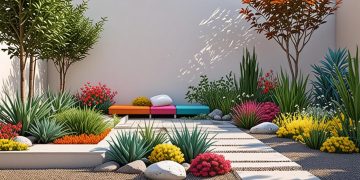
The Functional Aesthetic in Minimalist Gardens: Creating Outdoor Spaces that Balance Beauty and Utility

This article explores the design of minimalist gardens, highlighting their ability to balance beauty and utility. It emphasizes space efficiency, low maintenance, and the integration of native plants to create serene outdoor retreats that enhance urban living while promoting sustainability and connection with nature.

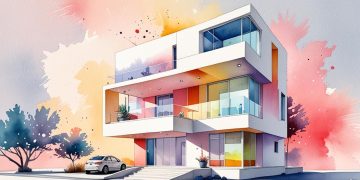
The Influence of Functional Aesthetics in Minimalist Architecture: Projects that Combine Space, Light, and Simplicity

Minimalist architecture integrates functional aesthetics to create harmonious spaces that resonate with cultural and environmental contexts. By emphasizing open designs, natural light, and simplicity, architects enhance living experiences while addressing sustainability. This approach in Nigeria showcases a balance between modernity and tradition, redefining the relationship between architecture and its surroundings.

Functional Aesthetics and Sustainability: How Minimalism Can Contribute to an Ecological Lifestyle

This article explores how minimalism, through functional aesthetics, promotes sustainability and reduces ecological footprints. It highlights the benefits of quality over quantity, community engagement, and the integration of natural materials in daily life. Embracing minimalism fosters an environmentally conscious lifestyle, creating a balance between simplicity and well-being.

The Impact of Functional Aesthetics on Productivity and Well-Being in Minimalist Spaces

This article explores how functional aesthetics in minimalist design enhances productivity and well-being. It highlights the importance of decluttering, natural elements, color psychology, and ergonomic furniture in creating serene environments. These elements transform urban spaces in Nigeria, promoting focus, creativity, and emotional health for individuals in bustling settings.


Minimalism and Technology: The Integration of Functional Aesthetics in Gadgets and Everyday Devices

This article explores the growing trend of minimalism in technology, emphasizing functional aesthetics in gadgets and everyday devices. It discusses how streamlined designs enhance user experience and promote sustainability, reflecting a shift towards efficiency and intentional consumption in modern living, particularly within urban Nigerian settings.

The Evolution of Functional Aesthetics in Minimalist Furniture: Design that Unites Beauty and Practicality

Minimalist furniture design is redefining living spaces by combining beauty with practicality. This movement highlights simplicity, sustainability, and versatility, making it ideal for urban environments. Through the use of eco-friendly materials and heritage influences, minimalist aesthetics are evolving, fostering a harmonious blend of function and artistry in modern interiors.