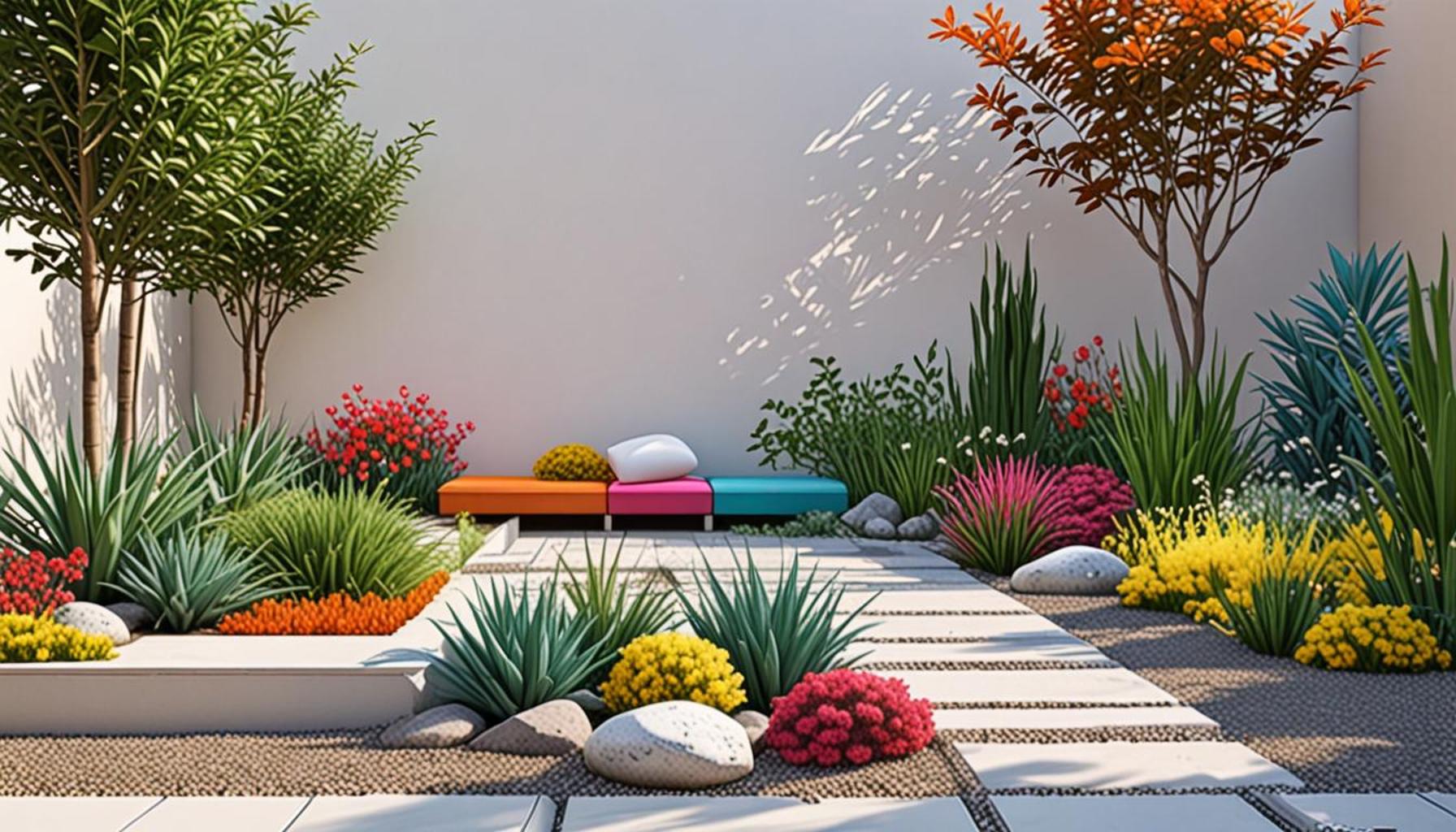
The Psychology of Functional Aesthetics: How Minimalist Environments Influence Our Emotions and Behaviors

The Impact of Minimalism on Emotional Well-Being
In an era where distractions are abundant and visual overload is the norm, many individuals are actively gravitating towards minimalist environments. These spaces are characterized by their clean lines, clutter-free aesthetics, and minimal yet functional furnishings. Beyond making a statement in design, minimalist environments impact our emotions and behaviors in profound ways.
One of the principal benefits of a minimalist space is its ability to reduce stress and anxiety levels. The psychological effects of clutter are well-documented; excessive items and chaotic arrangements can lead to feelings of overwhelm. For instance, stepping into a minimalist home, where unnecessary decorations are stripped away, creates an atmosphere that fosters tranquility. Research shows that environments which prioritize simplicity can lower cortisol levels, the hormone associated with stress. In busy Nigerian cities like Lagos, where daily activities are often frenetic, creating a calming home environment can serve as a sanctuary away from the chaos.
Moreover, minimalist settings can enhance focus and productivity. In a workspace devoid of distractions, individuals are more likely to accomplish tasks efficiently. Imagine a workspace in Abuja with only essential items—like a desk, a chair, and a laptop—arranged in an uncluttered manner. Such an environment allows for clearer thinking and better decision-making, enabling one to concentrate fully on the task at hand. This is particularly useful in sectors demanding high creativity and engagement, such as technology or the arts.
Furthermore, minimalism can promote a sense of calm and clarity. By surrounding ourselves with fewer possessions, we give more value to the items we choose to keep. In a Nigerian context, this could manifest as a living space that eloquently reflects cultural heritage, using fewer but meaningful pieces that evoke nostalgia and pride. For example, selecting a few traditional artifacts over an overabundance of trinkets can create focus and elevate emotional attachment.
The Cross-Cultural Lens of Minimalism
The interplay of minimalism and cultural identity raises intriguing questions. Can a sparse Nigerian apartment bring the same tranquillity as a modern Scandinavian home? While both spaces might emphasize functionality and aesthetic simplicity, the cultural context undoubtedly influences their emotional resonance. Scandinavian designs often incorporate natural light and neutrality, fostering a cozy ambiance. In stark contrast, a minimalist Nigerian apartment may infuse forms of local artwork or textiles that tell a story, creating a unique sense of belonging.
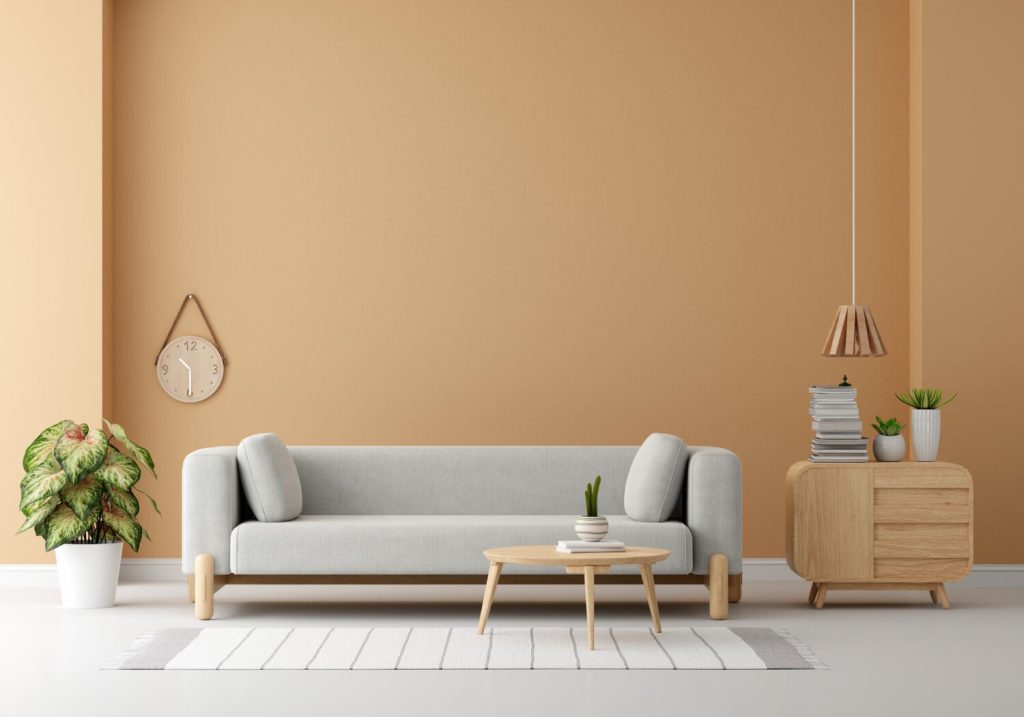
As we explore the psychology of functional aesthetics, it becomes clear that emotional well-being transcends cultural barriers. The essence of minimalism lies not just in the reduction of physical items but also in the creation of emotional spaces that reflect who we are as individuals and as a community. By embracing minimalist concepts tailored to local contexts, we open the door to not only personal tranquility but societal reflection through our surroundings.
In conclusion, as the world continues to evolve in complexity, the adoption of minimalist environments may serve as a promising remedy for the chaos, enhancing our overall emotional and mental health.
YOU MAY ALSO LIKE: Read read another article
The Psychological Influence of Minimalism on Daily Life
Understanding the psychology of functional aesthetics reveals fascinating insights into how our environments shape our emotions and behaviors. Over the years, numerous studies have highlighted the profound effects that our surroundings have on our mental health. In Nigeria, the urban landscape often pulsates with vibrant colors, bustling activity, and a myriad of sounds. Amidst this constant stimulation, the allure of minimalism offers individuals a refuge, a space where the simplicity can lead to dramatic improvements in psychological well-being.
One core aspect of minimalism is its propensity to foster mindfulness. By curating our surroundings to feature only essential items, we learn to focus on the present moment—an aspect of psychological health that is often overlooked in our fast-paced lives. For example, an individual living in Lagos could transform a cluttered room into a meditation corner with just a mat, a small potted plant, and a few personal artifacts. Such a shift can aid in practicing mindfulness, allowing for greater clarity and emotional stability amidst the chaos of everyday life.
Additionally, minimalism promotes a deliberate lifestyle focused on intentional living. This involves making conscious choices about what we own and how we interact with our environments. The psychological freedom gained from throwing out excess items or redesigning a space can be liberating. A Nigerian family, for example, might choose to invest in a few high-quality pieces of furniture that reflect their heritage rather than multiple inexpensive but disposable items. This fosters not only a connection to their identity but also encourages a sense of responsibility towards their possessions, leading to decreased stress.
- Reduced Anxiety: A cluttered space can lead to overstimulation, resulting in increased anxiety levels. Minimalist environments mitigate this by offering a calming, aesthetically pleasing backdrop.
- Enhanced Clarity: When distractions are minimized, mental clarity improves, allowing for better problem-solving and decision-making.
- Social Connections: Minimalist spaces often encourage social interaction by creating open environments that are conducive to connection and engagement.
Moreover, the emotional resonance of minimalism can be influenced by cultural norms and personal experiences. In Nigeria, for instance, minimalism might involve incorporating local elements—like artistic motifs, textiles, or even architectural styles that reflect community values. This fusion amplifies the emotional impact that these spaces have on individuals, reinforcing feelings of identity and belonging.
The Role of Functional Aesthetics in Emotional Regulation
Understanding how functional aesthetics play into our emotional regulation is crucial to discerning the benefits of minimalist environments. Functional aesthetics prioritize utility without compromising beauty, thereby aligning our physical environments with our emotional and psychological needs. In a world filled with fast-paced changes and uncertainty, the ability to retreat into a thoughtfully designed, minimalist space can provide the emotional anchor many seek. It invites calm, encourages focus, and ultimately empowers individuals to navigate their emotional landscapes with greater ease.
As we continue to delve into the specifics of functional aesthetics, it becomes apparent that embracing simplicity can serve as not merely a design choice but a comprehensive approach to enhancing emotional well-being in both personal and communal contexts.
The Impacts of Minimalist Design on Emotional Well-Being
In the realm of psychology and design, the concept of functional aesthetics revolves around the interplay between our physical environments and emotional responses. A minimalist approach not only reduces visual clutter but also instills a sense of calmness and focus in individuals. Research indicates that minimalist environments can significantly reduce feelings of stress and anxiety.
Enhanced Concentration through Simplified Spaces
Minimalist design emphasizes functionality over unnecessary decorative elements. This simplicity is not just visually appealing; it actively influences our behavior. Studies suggest that spaces stripped of excess distractions allow for increased attention and productivity. For instance, workspaces designed with minimal clutter help individuals concentrate better, leading to higher efficiency.
The Role of Color in Emotional Responses
Color plays a crucial role in minimalistic design, significantly impacting our emotions. Soft, muted colors often seen in minimalist interiors are linked to feelings of tranquility and peace. A study highlighted that neutral tones evoke a sense of balance and stability, further enhancing an individual’s emotional state. In contrast, overly vibrant colors can induce anxiety and restlessness.
| Advantages | Influences |
|---|---|
| Increased Emotional Stability | Minimalist design fosters a grounded emotional experience, allowing individuals to feel more anchored in their surroundings. |
| Boosted Creativity | A clear, uncluttered environment encourages the mind to explore innovative ideas without the weight of distractions. |
Understanding these elements offers insight into how intentional design choices can profoundly affect our emotional and behavioral patterns. By embracing the principles of functional aesthetics, we pave the way for environments that not only look good but also feel good—contributing positively to our overall mental well-being.
YOU MAY ALSO LIKE: Read read another article
The Intersection of Minimalism and Emotional Resilience
As the world increasingly embraces the concept of minimalism, understanding its psychological depths is essential for navigating the complexities of modern life. One significant aspect of this movement is its direct correlation with emotional resilience. Minimalist environments can serve as a protective buffer against the rapid pace of life, allowing individuals to cultivate a more adaptable mindset when faced with challenges. This is particularly relevant in Nigeria, where a blend of urban vibrancy and societal pressures can create overwhelming experiences.
Research has demonstrated that visual simplicity within one’s environment can enhance emotional resilience. For instance, educational institutions could incorporate minimalist design principles into classroom settings. A school in Abuja might opt for clean lines, soft color palettes, and unembellished furniture to foster a conducive learning atmosphere. By doing so, students might experience reduced distractions, allowing them to focus better on academic pursuits and emotional growth. This environment can help students develop coping strategies and improve their response to stress and adversity.
Moreover, minimalist architecture has gained traction in Nigerian cities, showcasing the balance between form and function. A building designed with natural light, spaciousness, and simplistic aesthetics can uplift not only the exterior landscape but also the psychological state of its inhabitants. For instance, a serene open-plan house in Port Harcourt may allow families to gather freely, promoting connections that nurture emotional strength. In this context, the space becomes more than a mere living area; it evolves into a support system that helps fortify relationships and emotional health.
- Clarity in Priorities: A minimalist space allows individuals to prioritize what truly matters in their lives. By removing excess distractions, focus shifts to meaningful activities and relationships.
- Reduced Cognitive Load: Streamlined environments minimize mental clutter, leading to improved cognitive performance and reduced decision fatigue.
- Increased Self-Expression: A minimalist aesthetic encourages individuals to express themselves authentically through selected items that resonate deeply with their identity and experiences.
In addition, the social psychology of minimalist design covers the interplay of community values within personal spaces. For many Nigerians, using locally sourced materials and traditional craftsmanship in a minimalist framework can evoke nostalgia and pride, reinforcing cultural ties while encouraging a shared identity. For instance, incorporating indigenous patterns in a practically designed home can evoke a sense of cultural belonging and contribute to emotional well-being. This blend of cultural affirmation and minimalist aesthetics resonates deeply with the concept of emotionally-aware design.
The Ripple Effect of Minimalism on Mental Health
As we unpack the impact of functional aesthetics further, it’s crucial to recognize how minimalism influences broader societal implications regarding mental health. In communal spaces, such as parks or public venues, minimalist design can lead to a reduction in stress among visitors. A park in the heart of Lagos that embraces open spaces, simple landscaping, and thoughtful seating arrangements invites community members to unwind and engage in leisure activities. These environments foster social connectivity, which plays a crucial role in combating feelings of isolation and loneliness—a common issue in bustling urban settings.
Furthermore, businesses in Nigeria are starting to embrace minimalism not just as a design trend but as an organizational philosophy that aligns with employee well-being. Companies that adopt open, uncluttered workspaces often find increased worker productivity and job satisfaction. This approach encourages collaboration while supporting emotional health, creating an environment where employees feel valued and inspired. The implications of functional aesthetics extend beyond personal space, illuminating pathways for enhanced collective social health.
SEE ALSO: Click here to read another article
Conclusion: Redefining Spaces, Transforming Lives
In the rapidly evolving landscape of modern life, the psychology of functional aesthetics emerges as a powerful tool for enhancing emotional well-being and influencing our behaviors. The shift towards minimalist environments not only simplifies our physical spaces but also creates a profound impact on our mental states. By providing clarity and fostering connections, minimalist design in personal homes or community spaces contributes to improved emotional resilience, which is particularly important in the vibrant yet often overwhelming context of Nigeria.
As demonstrated, the integration of minimalist principles into educational institutions, workplaces, and public areas leads to reduced cognitive load, improved focus, and increased community connectivity. Whether it’s the inviting layout of a classroom in Abuja, the open-spaced design of a family home in Port Harcourt, or a serene park in Lagos, these thoughtfully designed environments enhance both individual and collective mental health.
Furthermore, as we increasingly recognize the significance of emotional awareness in our surroundings, the marriage of local culture and minimalist aesthetics fosters a sense of identity and belonging in a diverse society. It encourages communities to draw on their rich heritage while embracing simplicity, resulting in spaces that are not only functional but also deeply resonant with emotional significance.
Going forward, it is essential for designers, educators, and policymakers in Nigeria to consider these insights, advocating for environments that prioritize simplicity and emotional clarity. The ripple effect of such initiatives can potentially transform lives, arming individuals with the resilience needed to navigate the complexities of contemporary life. In essence, by embracing the psychology of functional aesthetics, we can create spaces that nurture our emotions, strengthen our connections, and ultimately shape a healthier, happier society.