The Functional Aesthetic in Minimalist Gardens: Creating Outdoor Spaces that Balance Beauty and Utility
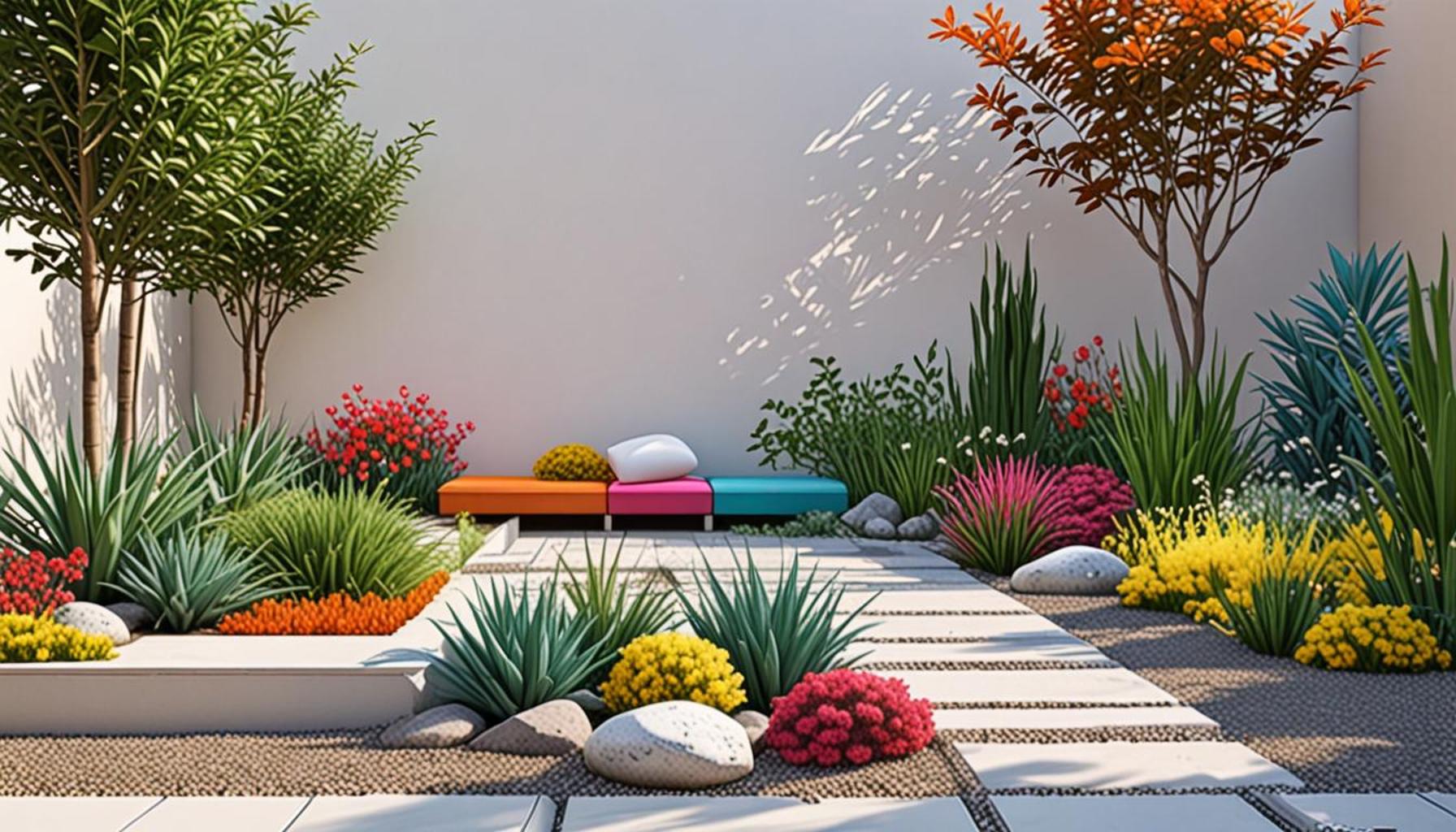
Embracing Minimalism in Garden Design
Creating a serene outdoor space has become a priority for many people, especially as urbanization increases in cities across Nigeria. With bustling streets and crowded living conditions, the tranquil vibe that a well-designed garden offers can transform a home into a peaceful refuge. Minimalist gardens, characterized by their simplicity and efficiency, have emerged as the ideal solution for achieving a harmonious balance between utility and aesthetic beauty.
Why Opt for a Minimalist Garden?
There are several compelling reasons to consider a minimalist garden in your urban space:
- Space-Efficient Design: In densely populated areas such as Lagos and Abuja, where residential properties may offer limited outdoor space, a minimalist garden maximizes every square meter. Clever placement of plants, seating, and pathways creates a functional space that feels larger than it is.
- Low Maintenance: The appeal of a minimalist garden extends to its low maintenance requirements. By choosing drought-resistant local plants and prioritizing simplicity, homeowners can significantly reduce the time and resources spent on upkeep. Instead of laboring over constant pruning and weeding, residents can enjoy the fruits of their labor more freely, whether it’s sipping morning tea or hosting evening gatherings.
- Natural Harmony: By integrating local plant species, a minimalist garden promotes biodiversity and supports local wildlife. This results in a more eco-friendly environment that enhances the natural beauty of Nigeria’s flora and fauna, fostering a stronger connection with nature in urban contexts.
Defining Characteristics of Minimalist Gardens
What sets minimalist gardens apart is their distinctive characteristics that emphasize aesthetic appeal through functionality:
- Simplicity: The allure of minimalist gardens lies in their clean lines and uncluttered spaces. This approach allows for a visually soothing experience, as well-designed areas eliminate overwhelming elements, promoting tranquility.
- Purposeful Elements: Every feature in a minimalist garden has a function, from stylish seating areas to neatly organized vegetable patches. For instance, a raised garden bed can not only serve as an aesthetic focal point but also provide fresh herbs and vegetables for the kitchen, merging beauty with practicality.
- Balanced Color Palette: The choice of colors holds significant importance. A carefully curated palette, limited to a handful of colors, can create a cohesive and calming atmosphere. Subtle browns and greens can bring a sense of earthiness, while splashes of brighter tones from flowering plants can inject life and energy without overwhelming the senses.
The Nigerian Context: Crafting Your Idyllic Oasis
The minimalist garden philosophy resonates profoundly within Nigerian culture. Amid the noise and chaos of urban life, there is a yearning for a retreat that provides peace and solace. Creating these gardens not only enhances property value but also enriches community well-being by serving as gathering places for family and friends.
Are you inspired to cultivate your own minimalist garden? Consider starting with a few versatile native plants, such as the resilient Zinnia or the fragrant Jasmine. With careful planning and a thoughtful approach, your outdoor space can transform into a serene haven that beautifully fuses utility and aesthetics. Explore the potential of minimalist gardening, and discover how simplicity can bring joy and tranquility into your life.
SEE ALSO: Click here to read another article
Designing Your Minimalist Garden: Key Considerations
When embarking on the journey to create a minimalist garden, there are several crucial factors to consider that will help to achieve a balance between beauty and utility. Each choice made in the planning process can contribute significantly to the overall aesthetic while also enhancing the functionality of your outdoor space.
Choosing the Right Plants
In a minimalist garden, the selection of plants plays a pivotal role. The aim should be to choose low-maintenance, native species that thrive in Nigeria’s diverse climate. Plants such as the Elephant Ear and Snake Plant provide visual interest with their striking foliage while requiring minimal upkeep. Incorporating flowering plants like Hibiscus can introduce splashes of color, but they should be carefully positioned to maintain the garden’s sense of tranquility.
Creating Open Spaces
A defining feature of minimalism is the appreciation of open spaces. Ensure that your garden design incorporates plenty of unencumbered areas that allow for free movement. Aspects of the design might include:
- Comfortable seating: Choose sleek, modern outdoor furniture that does not overpower the space, allowing for social gatherings without clutter.
- Defined walking paths: Use natural stone or gravel to create pathways that lead through the garden, providing a visual flow while allowing easy navigation.
- Outdoor elements: Install functional features, such as water features or fire pits, that add value without visual noise. These elements can also serve as focal points around which to design your space.
Implementing Sustainable Practices
Another important consideration in minimalist garden design is sustainability. Implementing practices that are not only eco-friendly but also resource-efficient can transform your garden into an environmentally responsible oasis. Some strategies include:
- Rainwater harvesting: Collect rainwater in barrels to use for irrigation, decreasing reliance on municipal water sources.
- Composting: Utilize organic waste to create nutrient-rich soil, which promotes plant health while minimizing waste.
- Mulching: Apply natural mulch to retain soil moisture and suppress weeds, reducing the need for chemical interventions.
As you delve deeper into creating your minimalist garden, remember that every element should serve a purpose while also contributing to a cohesive vision. This duality is the essence of minimalist garden design—where aesthetics meet function. By carefully selecting plants, designing open areas, and implementing sustainable practices, you’ll cultivate a space that invites relaxation and connection to nature amidst the urban hustle. Your minimalist garden will not just serve your utility needs but also provide a beautiful backdrop to your daily life.
The Functional Aesthetic in Minimalist Gardens: Creating Outdoor Spaces that Balance Beauty and Utility
In the realm of outdoor designing, the concept of minimalism isn’t just a trend; it is a thoughtful approach that intertwines aesthetic elegance with practical viability. Minimalist gardens emphasize harmony, where every element serves a purpose while simultaneously enhancing the visual appeal of the space. This design philosophy encourages the choice of functional plants and features that not only look good but also contribute to the sustainability of the environment.
One significant advantage of adopting a minimalist approach is in the integration of native plant species. These plants thrive in local climates, requiring less maintenance, water, and fertilizers, which leads to a garden that is both beautiful and eco-friendly. This harmonious relationship between functionality and beauty is further exemplified in the use of multifunctional spaces. For instance, a simple stone pathway can lead visitors through a fragrant herb garden, serving both as a decorative feature and a source of culinary ingredients.
Furthermore, minimalist gardens often incorporate clean lines and open spaces that create a sense of tranquility. The absence of clutter allows for greater flexibility, enabling homeowners to utilize their outdoor spaces more effectively, whether for relaxation, entertaining guests, or even as a workspace. Such versatility highlights the extraordinary balance achieved through thoughtful design, demonstrating that outdoor spaces can be both serene and functional.
| Key Feature | Description |
|---|---|
| Native Plants | Require less maintenance and contribute to the local ecosystem. |
| Functional Spaces | Enhance usability for relaxation, dining, or gardening activities. |
This balanced interplay between aesthetic appeal and practical utility in minimalist gardens not only enriches the owner’s experience but also promotes a responsible gardening ethos. As you delve deeper into the principles of minimalist design, you will uncover the myriad ways these outdoor spaces can cater to both beauty and functionality, ultimately creating a sanctuary that resonates with peace and purpose.
LEARN MORE: This related article may interest you
Incorporating Hardscaping Elements
In a minimalist garden, hardscaping is just as essential as the greenery. These architectural features not only promote structure but also enhance the overall aesthetic value of the garden. By mixing various materials and textures, you can create a balanced environment that is both visually appealing and highly functional. Consider the following components:
- Patios and Decks: Utilize materials like concrete, stone, or wood to construct a durable outdoor living space. A simple wooden deck can provide an outdoor dining area, ideal for enjoying the Nigerian sun while hosting friends and family.
- Raised terraces: These structures can delineate different areas of your garden, establishing a sense of depth and separation. They’re especially effective in uneven landscapes, providing both beautification and usability.
- Fencing: Instead of traditional high fences, consider low walls or screens made of natural materials, such as bamboo. They offer privacy without obstructing light or the view, maintaining the garden’s open feel.
Lighting for Ambiance and Safety
Lighting plays a crucial role in a minimalist garden, combining functionality with aesthetic appeal. Thoughtful placement of lights not only illuminates paths for safety but also highlights focal points and creates mood in the evening. Options to explore include:
- Solar-powered garden lights: These eco-friendly options can be positioned along walkways or near plants. They require no wiring and are cost-effective.
- Spotlights: Use spotlights to draw attention to trees or art installations, enhancing their visual impact at night.
- String lights: Drape these over seating areas for a charming, warm glow that invites relaxation. Ideal for those balmy Nigerian evenings, they add a whimsical touch to the overall design.
Creating Multifunctional Spaces
In a minimalist garden, every element can serve dual purposes. For instance, a simple bench can act as seating during gatherings while also providing storage for gardening tools. Here are other ideas for multifunctional designs:
- Vertical gardens: These arrangements can be both stunning and practical. A green wall not only beautifies but also maximizes space, especially in urban areas where ground area is limited.
- Planters with built-in seating: Customized planters can provide seating areas while creating vertical space for growing herbs or small flowers, encouraging an interactive aspect of gardening.
- Mobile pots: Use pots on wheels to easily adjust plant placements around the garden. This versatility allows you to experiment with arrangements and adapt based on seasonality and sun exposure.
As the minimalist garden trend continues to gain traction in Nigeria, there’s a growing call for outdoor spaces that enrich lives and meet practical needs. By integrating hardscaping elements, well-planned lighting, and multifunctional designs, it’s possible to achieve a stunning landscape that embodies the functional aesthetic of minimalist gardens. This not only elevates your garden ambience but also encourages a deeper connection to the outdoor environment. The pursuit of balance between utility and visual appeal can result in a remarkable retreat that enhances your lifestyle while fostering serenity in an otherwise chaotic world.
SEE ALSO: Click here to read another article
Conclusion
In the quest for outdoor spaces that embody both beauty and functionality, minimalist gardens serve as a brilliant solution, particularly in the Nigerian context where space can be both a luxury and a challenge. By thoughtfully incorporating elements such as hardscaping, ambient lighting, and multifunctional features, garden enthusiasts can create visually stunning environments that enhance their daily lives. The appeal of minimalist gardens lies not only in their simple elegance but also in their ability to promote a harmonious relationship between nature and modern living.
The synergy between aesthetics and utility is paramount; a pathway that leads seamlessly through a garden invites exploration while ensuring safety, much like how well-placed lighting transforms an outdoor space into a sanctuary after dusk. As urbanization continues to reshape our landscapes, the innovative ideas presented allow for the maximization of limited spaces, underscoring the importance of sustainability and adaptability in garden design. By adopting vertical gardens and mobile pots, individuals can embrace the vibrancy of life while catering to practical needs.
Ultimately, the journey towards creating a minimalist garden is a personal one, aiming to carve out an intimate outdoor retreat that resonates with individual styles and preferences. As more Nigerians begin to explore the functional aesthetic of minimalist gardens, the possibility of crafting serene and purposeful landscapes becomes an increasingly achievable reality. With every plant, pathway, and light added, you deepen your connection to the outdoors, fostering not just beauty, but also a sense of tranquility in the heart of your home.