Smart Organization: Minimalist Strategies to Maximize Office Space Usage
Unlocking Your Office Potential
In today’s fast-paced world, optimizing your workspace is not just a luxury—it’s a necessity. With limited office space becoming more common in Nigeria, adopting minimalist strategies can transform the way you work and significantly enhance productivity. This is particularly vital in urban areas like Lagos and Abuja, where real estate prices pose challenges for businesses aiming to maximize functional space.
Many organizations are discovering the benefits of a smart organization approach, leading to a range of advantages that are making waves across various sectors:
- Increased efficiency: A well-organized space minimizes distractions, allowing employees to focus better. Studies have shown that a clutter-free environment can enhance concentration levels by as much as 30%.
- Cost savings: By utilizing available space more effectively, organizations can cut down on rental costs. For example, a company operating out of a co-working space may find shared resources significantly reduce overhead expenses.
- Enhanced creativity: A clutter-free environment sparks innovation. Creative industries, in particular, can benefit from a spacious layout that encourages collaboration and brainstorming without the interference of unnecessary items.
Implementing minimalist principles encourages individuals to critically assess their office layouts. Here are some effective strategies to consider:
- Decluttering: Regularly remove items that are no longer useful or relevant. This could mean organizing paperwork, eliminating outdated technology, or donating furniture that no longer serves a purpose. A great example can be seen in startups that focus on digital operations, moving away from paper-based processes to streamline workflow.
- Multipurpose furniture:Choose desks and storage units that serve dual functions. Foldable tables and chairs with built-in storage can save space while providing utility, making them ideal for smaller offices.
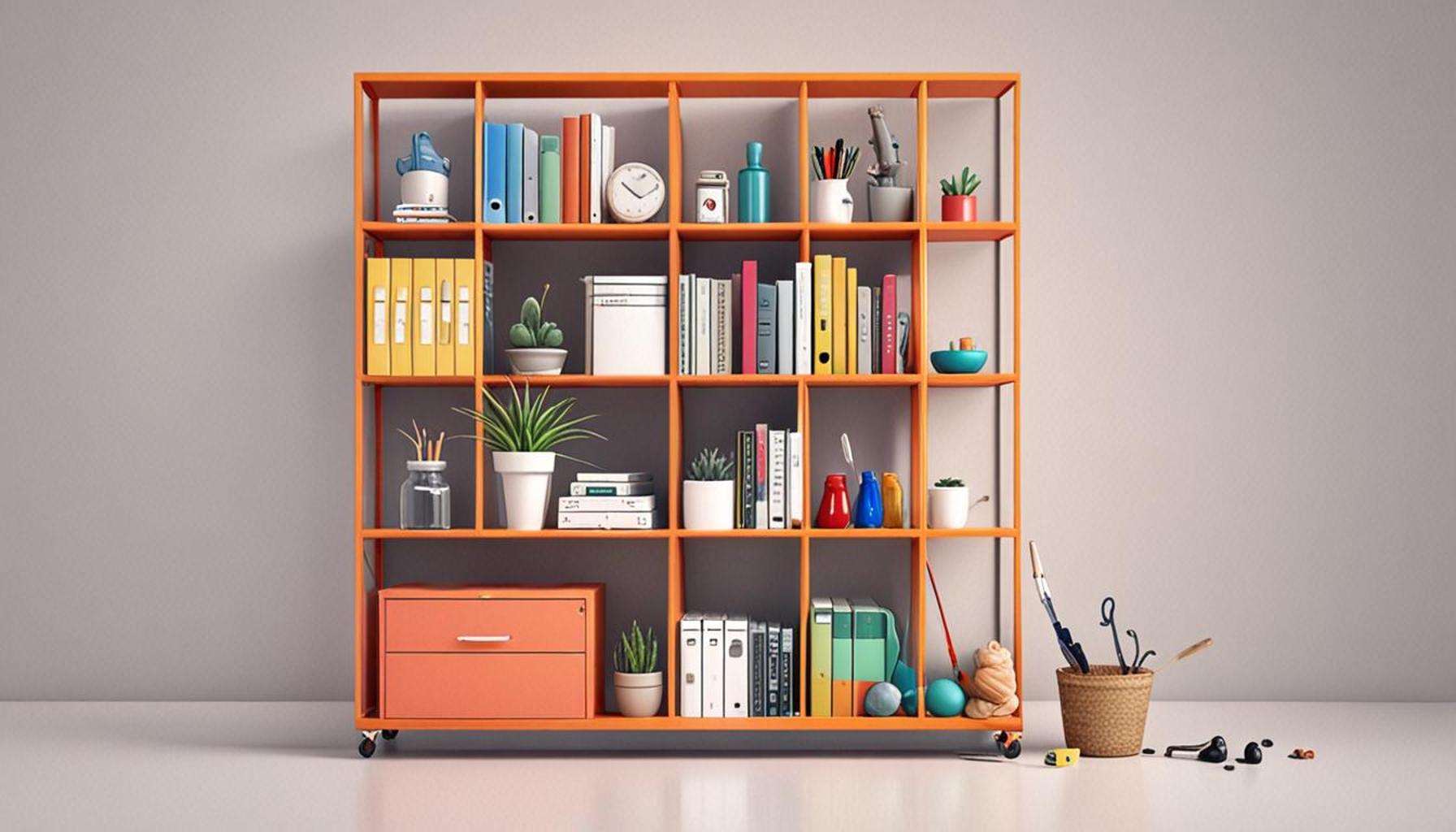
- Vertical storage: Using wall space creatively can free up valuable floor area. Install shelves for books and supplies or consider pegboards for tools and equipment, which not only saves space but also helps in keeping everything visible and accessible.
As businesses in Nigeria continue to evolve in response to changing market demands, embracing smart organization can lead to a more sustainable and efficient workspace. This shift towards minimalism doesn’t just improve functionality; it also cultivates a sense of calm and focus, essential in high-stakes environments. Let’s dive deeper into how these minimalist strategies can maximize every square meter of your office.
Moreover, integrating elements such as indoor plants can further enhance air quality and workplace aesthetics, promoting a healthier work atmosphere. Just imagine the uplifted spirits among employees in an organized, plant-filled office compared to a cluttered, sterile environment. In conclusion, the future of office design in Nigeria lies in the balance between functionality and elegance, encouraging businesses to explore innovative setups that resonate with the concepts of minimalism and smart organization.
LEARN MORE: This related article may interest you
Strategic Space Management: The Pillars of Minimalism
When it comes to maximizing office space usage, understanding the fundamental principles of smart organization is critical. As businesses in Nigeria adapt to contemporary challenges, the quest for efficiency drives the need for innovative strategies to streamline operations. Here are key considerations that can significantly reshape your workspace:
- Assess Your Space: Begin by evaluating your current office layout. Take stock of the areas that are under-utilized or poorly organized. Creating a detailed floor plan can help visualize this assessment. Many companies have benefited from involving employees in this process to gather insights on workflow patterns, leading to more effective space utilizations.
- Implement Zones: Establishing distinct zones for collaboration, focus, and relaxation can maintain a productive environment while reducing unnecessary clutter. In offices where communal activities are limited by space, consider creating adaptable zones that can serve multiple purposes. For instance, a lounge area can double as a meeting spot after hours, optimizing every corner of your office.
- Digital Solutions: The shift towards digital documentation is a hallmark of effective space management. Employ cloud-based storage solutions and collaborative software to reduce physical paperwork significantly. As businesses navigate towards a paperless culture, not only do they reclaim valuable filing cabinet space, but they also enhance accessibility and security.
Moreover, the concept of flexible workstations has gained traction, particularly amidst changing workplace dynamics. Allowing employees to select their work environment on a given day fosters a sense of ownership and can enhance job satisfaction while promoting a minimalist workspace ethos. Teams can leverage shared resources, making hot-desking an effective strategy to minimize unused space and reduce costs associated with permanent office furniture arrangements.
Another essential element of smart organization is the focus on organizational tools. Utilizing tools such as desk organizers, cable management systems, and mobile filing units ensures that workspaces remain uncluttered, directly contributing to efficiency. In Nigeria’s rapidly evolving business landscape, investing in tools that promote organization is not merely beneficial; it is essential for competitiveness.
As we explore these strategies further, it remains crucial to remember that the essence of a successful workspace isn’t just about the physical dimensions of an office. Instead, it hoists a broader view—a mindset towards cultivating an environment that promotes clarity, focus, and creativity. These minimalist strategies pave the way for a paradigm shift towards smarter organizational practices that can redefine success in Nigeria’s bustling corporate sphere.
| Advantages | Benefits |
|---|---|
| Space Efficiency | Maximizes available office space through clever layout designs, reducing clutter and enhancing productivity. |
| Increased Productivity | A minimalist office design fosters a streamlined work environment, allowing employees to focus more effectively on their tasks. |
The strategies of smart organization particularly advocate for space efficiency, which is crucial in modern workplaces where real estate can be a significant expense. Implementing minimalist designs involves carefully selected furniture and organization tools, ensuring every piece serves a purpose. By reducing excess items and maintaining only essential office supplies, businesses can experience profound transitions not only in space but also in employee morale and overall workflow.Another aspect to consider is the potential for increased productivity. Several studies have shown that an organized and minimalist workplace can lead to fewer distractions. Employees working in tidy, minimalist settings often report higher efficiency levels. This philosophy of smart organization doesn’t just optimize the physical workspace; it also nurtures a healthier mental workspace, helping teams to collaborate and innovate more effectively than ever before.
LEARN MORE: This related article may interest you
Embracing Minimalism: Tools and Techniques for Effective Office Space Utilization
As we delve deeper into minimalist strategies for office space management, it’s imperative to consider how specific tools and techniques can further enhance a smart organization approach. In an emerging work culture, particularly within Nigeria’s dynamic economic environment, it’s not just about the amount of space available, but how that space can be leveraged to bolster productivity and efficiency. Here are some noteworthy methods and innovations:
- Furniture Solutions: The choice of furniture can dramatically affect the perception and utility of office space. Consider investing in multi-functional furniture, such as modular desks that can be adjusted or reconfigured based on team needs. This flexibility allows offices to adapt to varying tasks and functions without occupying excess space. In Nigeria, especially in bustling urban centers, multifunctional furniture can save precious square meters and align with the minimalist aesthetic.
- Vertical Space Utilization: Many offices overlook the potential of vertical space. Installing wall-mounted shelves or storage systems allows businesses to maximize cubic volume without encroaching on floor area. This strategy not only clears up valuable desk space but also helps in maintaining a clean aesthetic. For example, startups in Lagos have successfully used this approach to create visually appealing and organized working environments.
- Declutter Regularly: A successful minimalist workspace is inherently a clean workspace. Establishing a routine for decluttering not only involves getting rid of unnecessary items but also promoting a culture where employees feel empowered to remove what isn’t essential from their workstations. Create a digital calendar for quarterly decluttering sessions where teams collectively clear out old documents, obsolete files, and unnecessary equipment.
Moreover, businesses should consider the strategic application of technology to streamline operations. Adopting project management and communication tools such as Asana, Trello, or Slack minimizes the physical need for coordination materials such as whiteboards or printed schedules. In a Nigerian context, where rapid communication is vital for collaboration, these tools not only enhance efficiency but significantly contribute to an organized workspace.
One notable trend gaining traction is the integration of biophilic design in workplace settings. This concept revolves around incorporating natural elements into office design, which can be especially beneficial in diverse climates like Nigeria’s. By using plants, natural light, and organic materials, companies can create an environment that reduces stress, boosts mood, and enhances productivity without cluttering the space.
Furthermore, the approach of digital nomadism is becoming increasingly popular in Nigeria. More companies have begun to embrace remote work setups, allowing employees the flexibility to work from spaces other than traditional offices. This trend drastically decreases the demand for expansive office space, as teams can operate efficiently from various locations, leading to cost savings and resource optimization.
In summary, as organizations in Nigeria explore avenues to maximize their workspace, understanding and implementing minimalist strategies can lead to significant benefits. From choosing appropriate furniture and utilizing vertical spaces to promoting a strong digital infrastructure, the application of minimalist principles in office management encourages a more streamlined and effective work environment.
SEE ALSO: Click here to read another article
Conclusion: Transforming Office Spaces through Minimalism
In the contemporary Nigerian business landscape, where adaptability and efficiency are paramount, embracing minimalist strategies for office space usage emerges as a game-changer. By implementing innovative solutions such as multi-functional furniture, and optimizing vertical spaces, organizations can cleverly maximize their workspace while enhancing the overall work atmosphere. Regular decluttering not only ensures a cleaner environment but also fosters a culture of mindfulness among employees, empowering them to create their optimal workspaces.
The incorporation of technology offers an equally transformative potential, allowing businesses to streamline operations without the physical clutter that often accompanies traditional resources. The rise of distant working models further demonstrates how companies can operate effectively from various locations, ultimately reducing their reliance on extensive office spaces. As Nigeria continues to navigate a rapidly evolving economic terrain, adopting these strategies could prove not only beneficial but essential for long-term success.
Moreover, the trend of biophilic design encourages a deeper connection with nature within workspaces, improving employee well-being and productivity without sacrificing aesthetic appeal. By embracing minimalist approaches, organizations can not only optimize their physical environment but also cultivate a harmonious workplace culture that prioritizes mental health and flexibility.
As we look ahead, it becomes clear that the future of office management lies in thoughtful minimalism. Organizations that are willing to adapt and innovate today will set the tone for the workspaces of tomorrow, inspiring a new generation of efficient, functional, and environmentally-conscious office designs.