
Minimalism in the Kitchen: How to Organize Your Space for an Efficient Culinary Experience
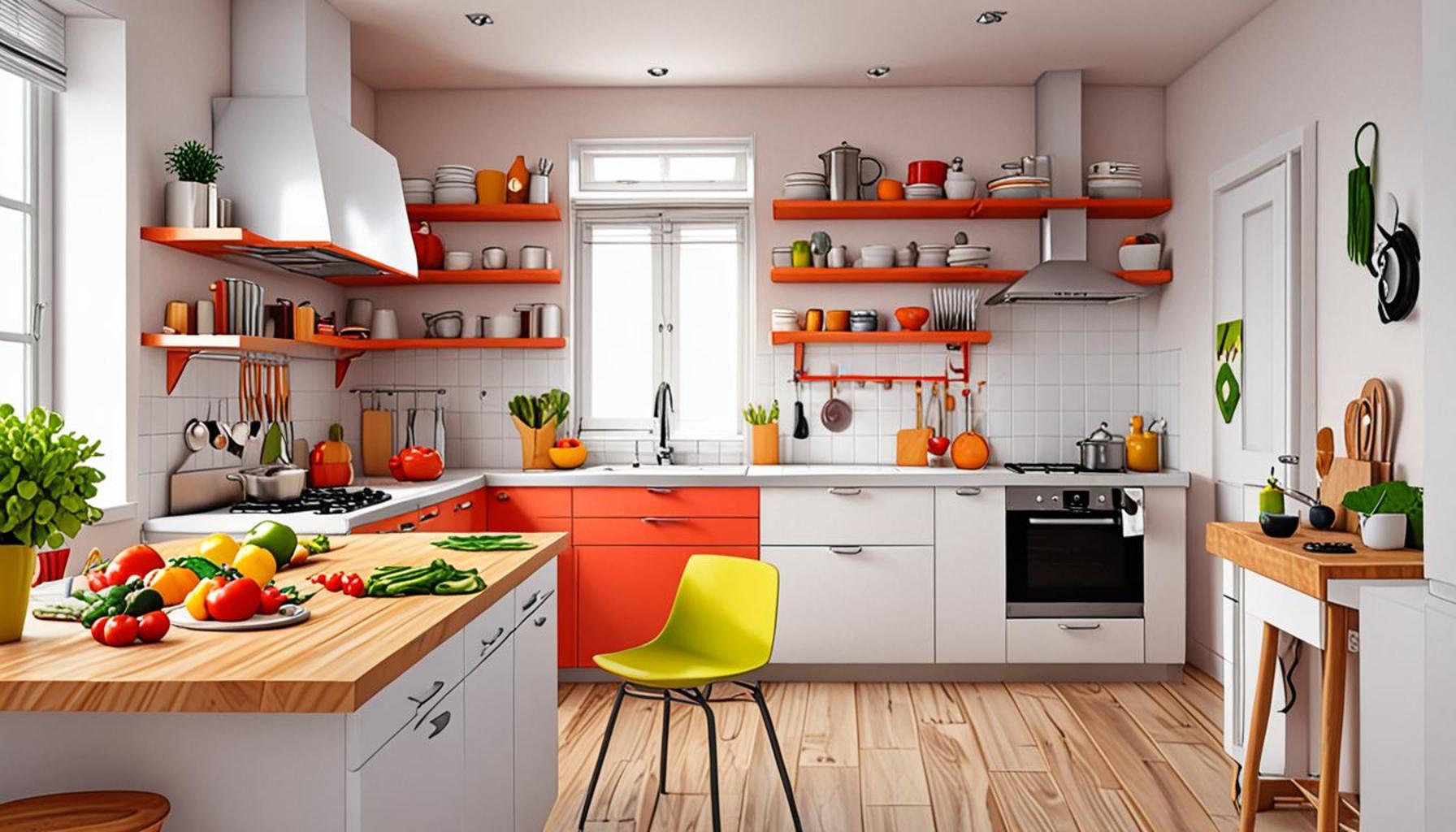
Transforming Your Kitchen Space
In the hustle and bustle of daily life, kitchens are often the heart of the home but can quickly transform into overwhelming spaces cluttered with an excessive number of utensils, gadgets, and ingredients. Minimalism offers a refreshing approach to reclaiming your kitchen, transforming it into a streamlined area that enhances both functionality and aesthetics. By adopting minimalist principles, you can create a cooking environment that is not only efficient but also inviting and inspiring.
Consider the following benefits of a minimalist kitchen:
- Enhanced Efficiency: A tidy space allows for quicker meal preparation. With fewer distractions, you can locate ingredients and tools faster, resulting in seamless cooking experiences. Think about a scenario where your knife block, cutting board, and spices are all within arm’s reach.
- Reduced Stress: A clean and organized environment promotes mental clarity and focus. Studies show that living in cluttered spaces can increase feelings of anxiety. In a Nigerian context, where the kitchen may also serve as a social gathering space for family and friends, a well-organized kitchen can foster a more relaxed atmosphere.
- Improved Aesthetics: A visually appealing kitchen can inspire creativity in cooking. Simple elements like clean lines and coordinated color schemes can make the space more inviting, thereby enhancing your culinary adventures.
Implementing minimalism does not necessitate drastic changes; it focuses on mindful organization and intentional choices. Start by evaluating your existing kitchen tools:
- Which utensils do you use daily? Consider essential items like a well-sharpened knife, a reliable pot, and favorite plates.
- Are there appliances taking up space that you rarely touch? Items like bread makers or juice extractors, while useful, should only remain if they contribute to your regular cooking habits.
- How can you optimize your storage for easy access? Think creatively about your space. For instance, hanging pots and pans can free up cabinet space while adding a decorative touch.
In Nigeria, where culinary diversity ranges from delicious jollof rice to spicy pepper soup, a well-organized kitchen can transform your cooking experience. By focusing on essential tools that enhance local dishes, you not only streamline your cooking process but also allow yourself to experiment with various flavors and cooking techniques.
As you embark on this journey towards minimalism, remember that it is about simplifying your surroundings to unleash creativity and efficiency. Embrace this mindful approach, and let your kitchen reflect a harmonious blend of functionality and cultural richness.
ADDITIONAL INSIGHTS: Expand your understanding here
Simplifying Your Kitchen: The Essentials
Adopting a minimalist approach in your kitchen means focusing on what is truly necessary for your culinary endeavors. Start by addressing the question: what utensils, appliances, and ingredients do you use on a daily basis? A mindful assessment can pave the way for an organized and efficient space. The goal is not to strip your kitchen bare but to retain only those items that enrich your cooking experience and facilitate ease of use.
Here are some steps to consider for simplifying your kitchen:
- Conduct a thorough inventory: Take an inventory of all the items in your kitchen. This includes tools, utensils, and appliances. Categorize them into three groups: frequently used, occasionally used, and rarely used. This process will help illuminate which items truly deserve space in your kitchen.
- Embrace multipurpose tools: Instead of cluttering your countertops with single-use gadgets, invest in multipurpose tools that can handle various tasks. For example, a good chef’s knife can be used for chopping, slicing, and dicing, reducing the need for excess cutting tools.
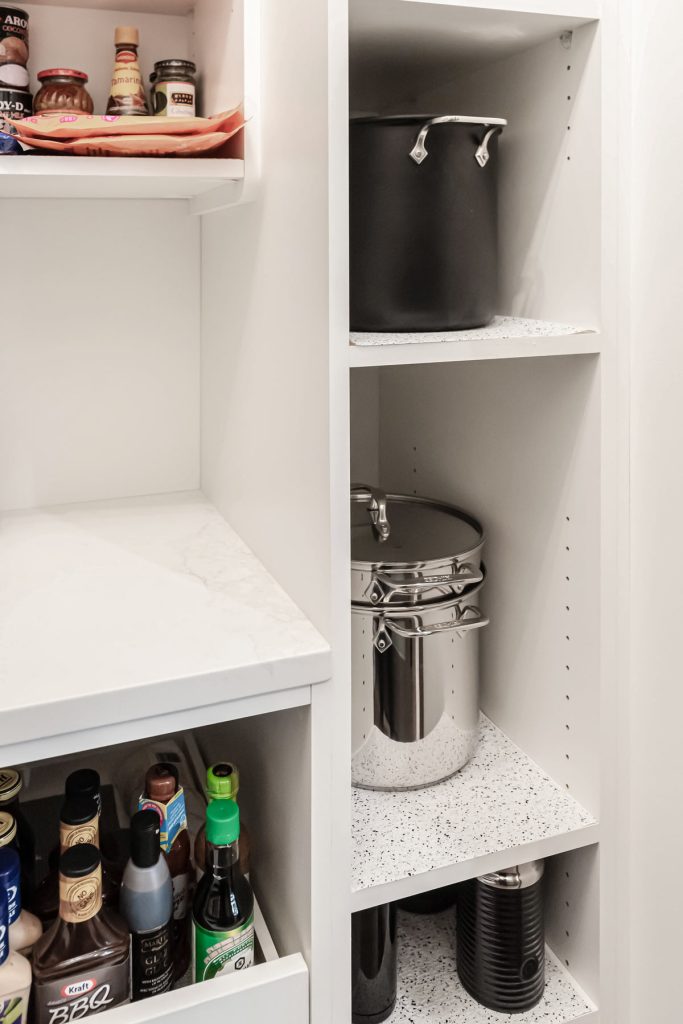
- Maximize storage solutions: Consider vertical storage to optimize your cabinet space. Use wall-mounted shelves for spices or pots, and ensure that your cabinets are organized in a way that allows you to see everything at a glance. Transparent containers for pantry items can help you quickly determine what you have and what you need.
- Declutter regularly: Adopting minimalism is an ongoing process. Schedule time every few months to reassess your kitchen and purge items that no longer serve a purpose. This habit promotes a culture of awareness regarding what occupies your culinary space.
In the context of Nigerian cooking, where flavors and ingredients can be abundant, the importance of an organized kitchen cannot be overstated. Imagine effortlessly reaching for your spices while preparing a traditional dish like egusi soup or accessing utensils while creating a savory dish like suya. When your surroundings are aligned with your cooking style, you not only save time but also enhance the enjoyment of the cooking process.
Moreover, in a bustling family-centered culture where cooking often becomes a communal affair, a minimalist kitchen fosters collaboration. Everyone can easily find what they need, making meal prep a more inclusive and enjoyable experience. It opens up a space where creativity flourishes rather than stagnates due to clutter.
Minimalism does not imply sacrificing warmth or personality. By curating your kitchen with aesthetic in mind while embracing functionality, you create a welcoming environment that speaks to your identity and cultural heritage. The beauty of a minimalist kitchen lies not just in its simplicity but in its ability to adapt and inspire.
| Advantage | Importance |
|---|---|
| Enhanced Efficiency | A minimalist kitchen reduces clutter, allowing for a more streamlined workflow while cooking, enabling faster meal preparation. |
| Improved Focus | With fewer distractions, cooks can concentrate better on their culinary tasks, leading to improved creativity and better dish quality. |
| Easy Maintenance | A minimalist approach simplifies cleaning and organizing, freeing up valuable time for more enjoyable cooking experiences. |
| Space Optimization | Utilizing space effectively allows for better storage solutions, maximizing the functionality of every inch in your kitchen. |
Exploring minimalism in the kitchen isn’t just about embracing fewer items; it’s about crafting an environment that promotes an open, efficient, and joyful cooking process. Every element in your kitchen should serve a purpose, helping you create a culinary sanctuary that inspires not only cooking but also living. As we delve deeper, you will discover how to implement these concepts into your own kitchen, transforming it into a space that feels both organized and inviting. The journey toward a minimalist kitchen can profoundly enhance your culinary experience—stay tuned to uncover tips and strategies that make this transition achievable and enjoyable.
LEARN MORE: This related article may interest you
Designing Your Minimalist Kitchen Layout
With a clear understanding of the essentials in your kitchen, the next step is to design a layout that enhances efficiency and flow. The placement of every element—be it a cabinet, countertop, or appliance—should facilitate a seamless cooking experience. An optimized kitchen layout can significantly reduce the time and effort spent in meal preparation, enabling you to focus more on creativity and less on chaos.
Here are several considerations to keep in mind when designing your minimalist kitchen layout:
- The Kitchen Work Triangle: This concept emphasizes the relationship between the sink, stove, and refrigerator. A triangular layout minimizes unnecessary movement, allowing you to efficiently transition between food preparation, cooking, and cleaning. For instance, in a typical Nigerian kitchen where you often have multiple pots on the stove, ensuring these three points are within a comfortable reach will save countless steps.
- Zone Designation: Create designated zones for specific tasks, such as cooking, prepping, and cleaning. This not only reduces clutter but also ensures that all necessary tools and ingredients are easily accessible when needed. Visualize a prep zone with cutting boards and knives near the oven for quick transitions between prep and cook phases.
- Incorporate Open Shelving: In a minimalist kitchen, open shelves can serve dual purposes: providing storage and showcasing beautiful dishware or spices. In Nigerian cooking, where vibrant colors and textures play a significant role, displaying your colorful spices and traditional pots can infuse life into your kitchen while keeping everything within arm’s reach.
- Consider the Height: The height of shelves and cabinets can significantly impact usability. Store frequently used items at eye level and rarer tools or ingredients higher up. This method not only keeps your workspace tidy but also reduces frustration when searching for items. Plus, being able to see what you have will minimize unnecessary purchases.
Furthermore, assessing your kitchen’s lighting can enhance its functionality. Natural light is a minimalist’s best ally, as it creates an open and inviting atmosphere. If possible, maximize window placement or opt for bright overhang lighting that illuminates both workspaces and dining areas.
In addition to layout, think about your kitchen’s overall aesthetic. A cohesive color palette can tie your minimalist vision together, making the space feel intentional. Consider using colors found in traditional Nigerian textiles for inspiration, and incorporate them through dishware or storage solutions. This variation not only serves to maintain a minimalistic design but also evokes a sense of cultural pride.
Lastly, consider the role of technology in your minimalist kitchen. Smart appliances can greatly assist with organization and cooking efficiency. For example, using an app to keep track of your pantry inventory can minimize food waste and encourage mindful shopping. By integrating technology mindfully, you can achieve an even higher level of efficiency while maintaining the essence of minimalism.
Minimalism in the kitchen is more than just a trend; it’s a way to cultivate a space that caters to the heart of home—cooking. By designing your kitchen layout with organizational principles in mind, you not only create a sanctuary for culinary exploration but also foster a community space that resonates with family collaboration and cultural connection.
CHECK OUT: Click here to explore more
Conclusion: Embracing Minimalism for a Harmonious Kitchen
In conclusion, adopting a minimalist approach in your kitchen can transform not only how you cook but also how you experience your culinary environment. As we’ve explored, the key elements of an organized minimalist kitchen revolve around intentional design, efficiency, and aesthetic coherence. By prioritizing a well-structured layout that respects the dynamics of your cooking habits, you allow for a fluid workflow that elevates the joy of preparing meals. Embracing concepts such as the kitchen work triangle and clearly defined zones further simplifies your culinary tasks, making every cooking session an enjoyable one.
Moreover, incorporating open shelving and thoughtful storage solutions reflects not just practicality but also the vibrant culture that defines Nigerian cuisine. Displaying your rich array of spices and traditional cookware not only adds visual interest but also makes accessibility a priority, enhancing your cooking efficiency. Remember, a clutter-free environment leads to a clutter-free mind, which fosters creativity.
As you integrate modern technology into your kitchen, consider how smart appliances can aid in maintaining organization and reducing waste. These advancements not only streamline your cooking processes but also encourage a sustainable approach to meal preparation. Ultimately, minimalism in the kitchen is about more than functionality; it is a lifestyle that celebrates simplicity, mindfulness, and cultural appreciation.
With a commitment to decluttering, both physically and mentally, you can create a kitchen that is not only practical and efficient but also a true reflection of your identity and culinary roots. So take that first step towards minimalism today, and unlock the full potential of your culinary experience.