Minimalism and Space: How Reducing Items Increases the Functionality of Your Environment

Understanding the Essence of Minimalism
In today’s fast-paced world, the excess that comes with modern life can often feel overwhelming. The concept of minimalism emerges as a refreshing antidote, inviting individuals to reassess their relationship with their possessions. Reducing clutter is not merely about simplifying life; it represents an intentional effort to enhance both the aesthetics and functionality of our surroundings.
Embracing minimalism brings a host of benefits that resonate across various aspects of life. Consider the following:
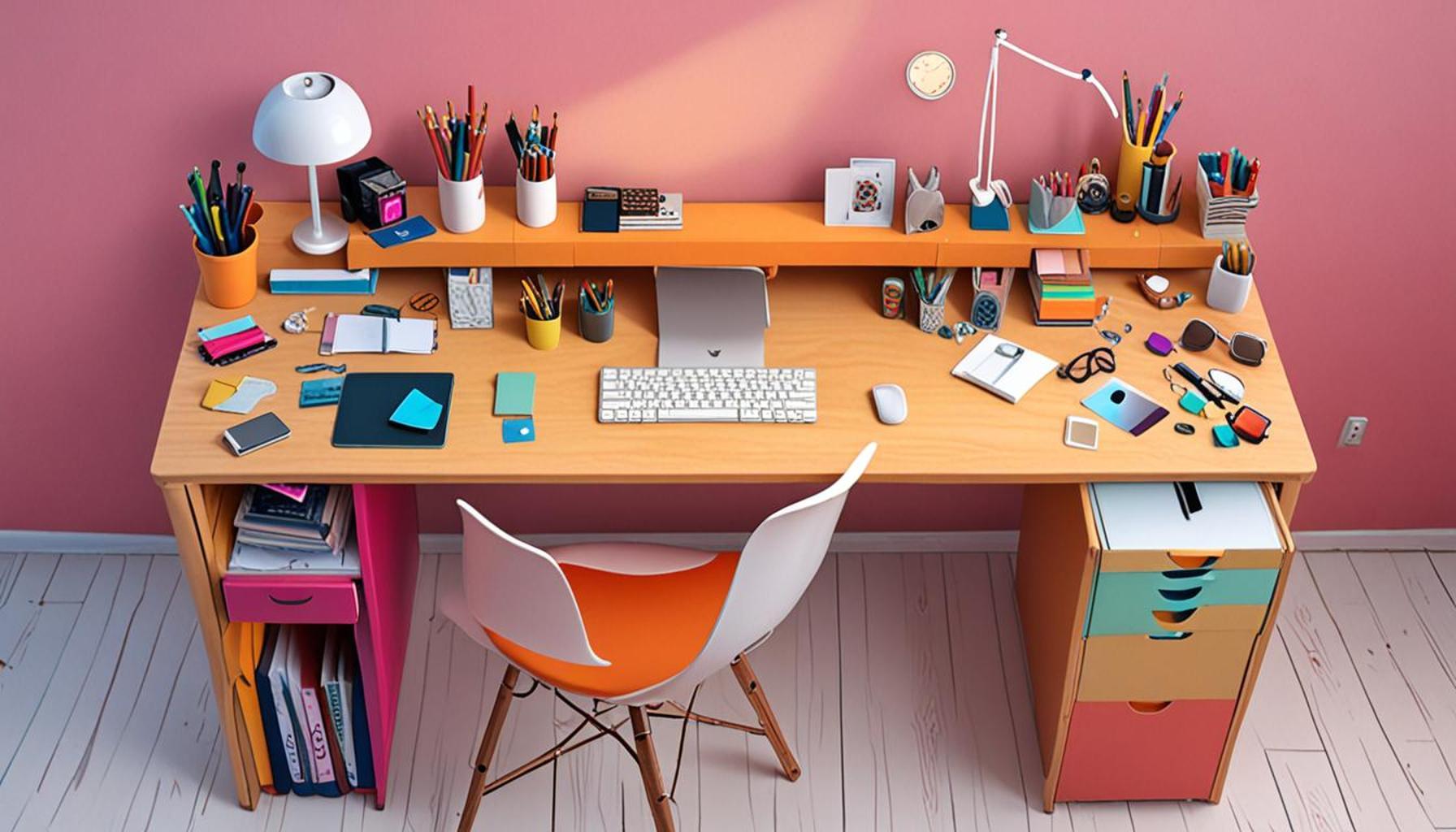
- Improved Focus: A decluttered space fosters better concentration and creativity. For instance, an organized study area can significantly enhance a student’s ability to absorb information and learn effectively.
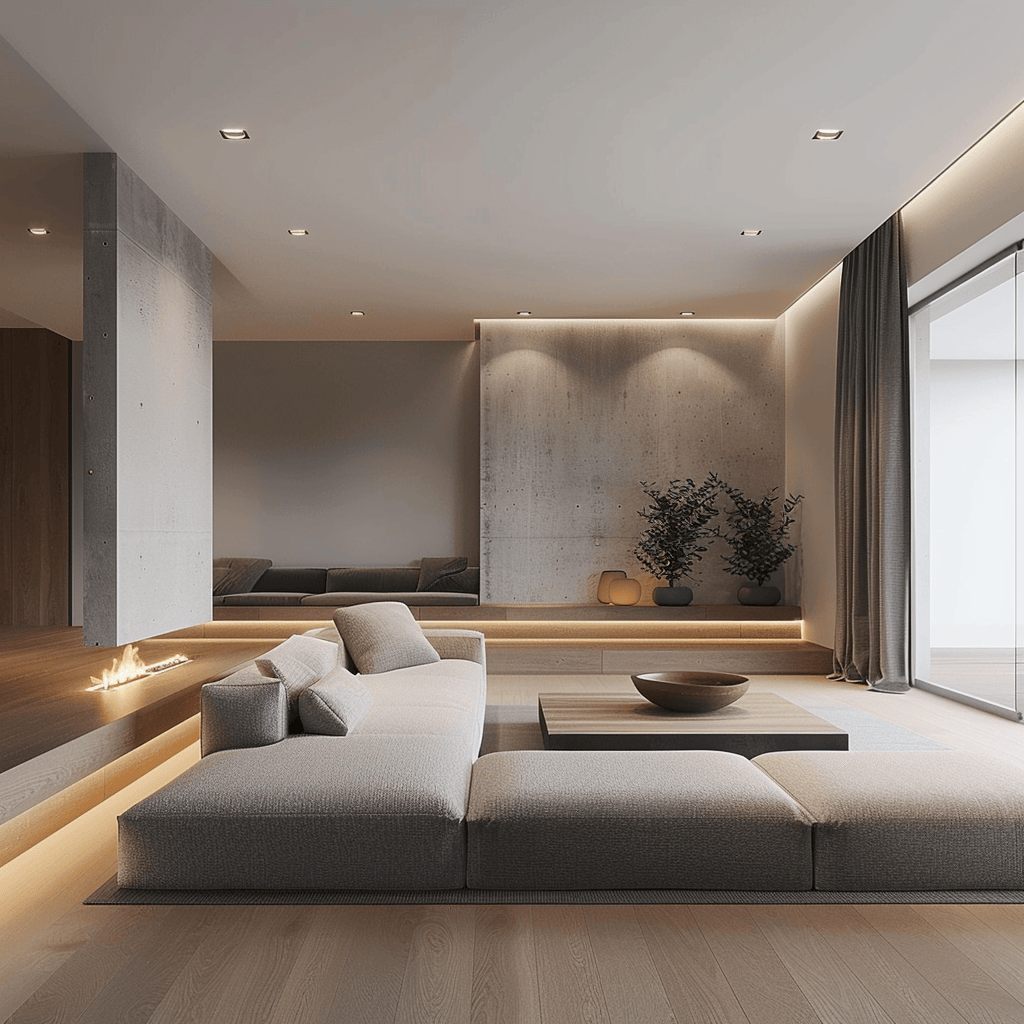
- Stress Reduction: Living in an environment filled with items can lead to feelings of anxiety and distraction. A minimalist approach to home décor, characterized by clean lines and open spaces, can induce a sense of calm, akin to retreating to a tranquil oasis.
- Increased Productivity: According to research, a clean environment can lead to heightened efficiency. This is particularly relevant in Nigeria’s bustling work culture, where distractions can impede progress. A straightforward workspace enables professionals to focus on tasks at hand, promoting a productive atmosphere.
In Nigerian households, where cultural artifacts and cherished memories often take center stage, finding a balance can be challenging. While it is vital to honor traditions and memories, assessing which items are essential to everyday living can lead to more functional spaces. For example, rather than having numerous decorative items, consider showcasing a few key pieces that tell a story while maintaining a sense of openness.
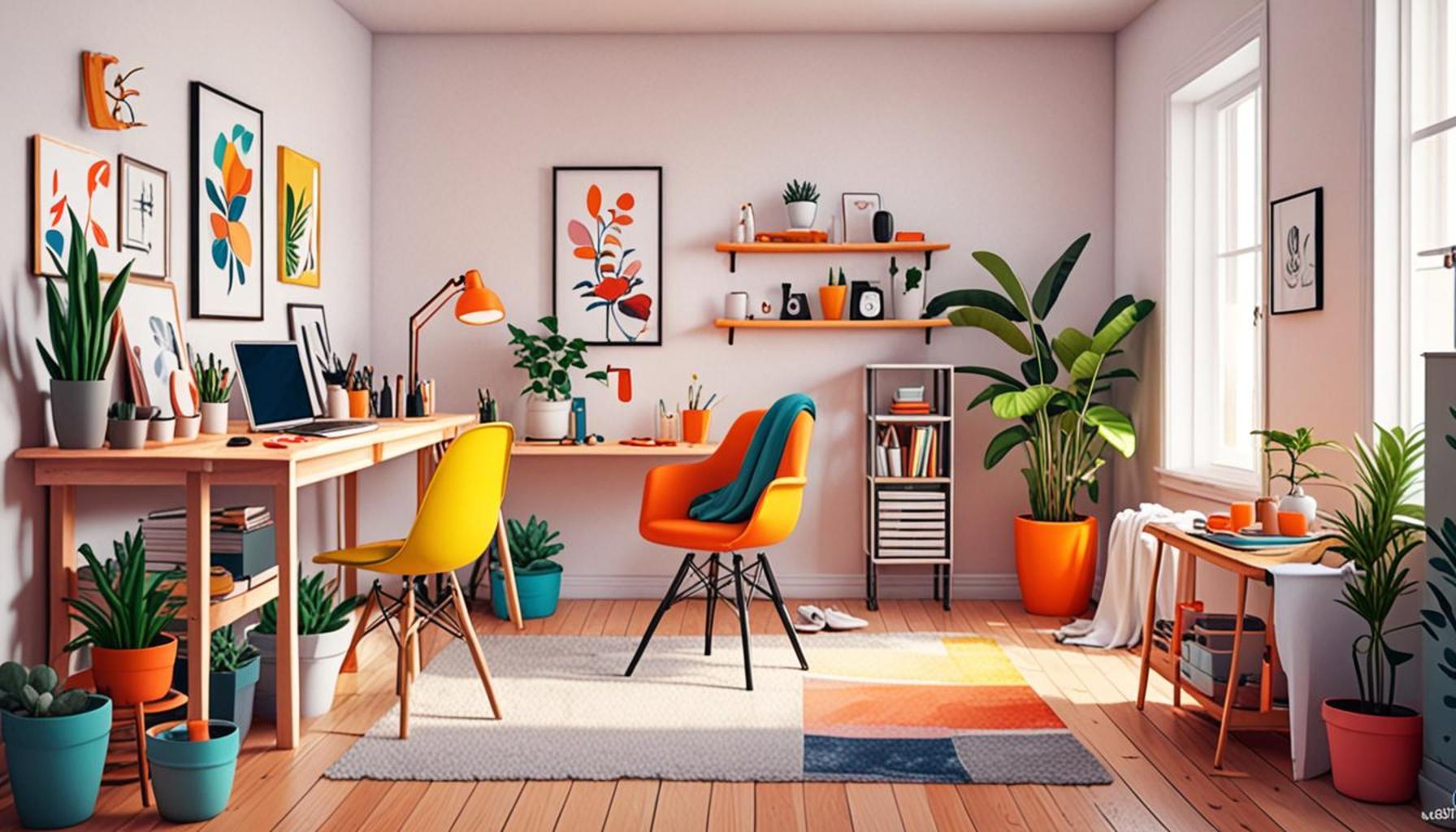
Imagine the transformation of a crowded living room into a serene sanctuary. The impact of strategic furniture placement can open up pathways and create an inviting flow. Thoughtful color choices, such as soft pastels or neutral tones, can brighten the space and reflect natural light, enhancing the overall ambiance. Additionally, functional decor elements like multipurpose furniture or minimalist art can provide both beauty and utility without overwhelming the visual landscape.
The journey towards minimalism is about much more than merely shedding belongings; it is about rediscovering what truly matters. By actively participating in this process, individuals not only improve their living spaces but also cultivate environments that encourage well-being and mindfulness. Join us in delving deeper into how reducing possessions can significantly enhance the functionality of your surroundings, ultimately leading to a more meaningful life.
ADDITIONAL INSIGHTS: Expand your understanding here
The Transformative Impact of Decluttering
At its core, minimalism invites individuals to reevaluate their surroundings by focusing on what truly matters in their lives. For many, the challenge lies not only in the inherent attachment to their belongings but also in the sheer volume of items that have accumulated over time. As the saying goes, “less is more,” and research supports that living within a streamlined environment can greatly boost functionality.
One of the first steps in embracing minimalism is assessing one’s possessions. This process often reveals items that no longer serve a purpose or have lost their sentimental value. Embracing a decluttering strategy can lead to a more functional space. Here are some practical tips to guide this journey:
- Start Small: Begin with one area, be it a closet, drawer, or room. This sets an achievable goal that can foster motivation.
- Ask the Right Questions: When evaluating each item, consider its utility or emotional significance. Does it enhance your daily life? If not, it may be time to let it go.
- Establish a ‘One In, One Out’ Rule: For every new item you bring into your space, remove one. This maintains balance and prevents future clutter.
- Digitize When Possible: Store sentimental items, like photographs or documents, in digital formats. This not only clears physical space but also enhances accessibility.
The impact of minimalism extends beyond mere aesthetics; it plays a significant role in how spaces are utilized. When individuals reduce the number of items in their environment, they actively create areas that are more functional. For example, consider a kitchen filled with utensils and gadgets. By paring down to essential tools, the cooking area becomes not only more visually appealing but also easier to navigate. A well-organized kitchen allows for efficient meal preparation, accommodating the bustling schedules many Nigerians face.
Moreover, furniture layout becomes a crucial consideration in crafting a minimalist environment. Strategically placed furniture can enhance movement and accessibility within a space. An overstuffed room with oversized furniture may create barriers, while a thoughtfully arranged layout encourages flow and freedom. For instance, a living room can be transformed from a squeezed setup into an inviting area for gatherings by opting for multifunctional pieces such as a sofa bed or an extendable dining table.
In practice, adopting minimalism can lead to enhanced mental clarity and a greater sense of control over one’s environment. Research indicates that living in a clutter-free space significantly reduces cognitive overload, making it easier to prioritize tasks and focus on what truly matters. This newfound clarity can greatly benefit Nigerian families striving for balance in their vibrant yet hectic lives.
Ultimately, the journey towards minimalism is about reclaiming space and ensuring that every item contributes meaningfully to one’s life. The liberation that comes from reducing clutter is not just physical; it also paves the way for a lifestyle rooted in mindfulness and intention. Embracing this philosophy can create spaces that nourish the soul, fostering an environment supportive of well-being and personal growth.
| Advantage | Details |
|---|---|
| Increased Focus | Minimalism helps to eliminate distractions, allowing individuals to concentrate better on their work or tasks. By reducing clutter, your environment fosters creativity and productivity. |
| Enhanced Space Efficiency | By eliminating unnecessary items, you can reorganize and optimize your space for better functionality. This leads to a more efficient use of available square footage. |
| Simplified Maintenance | A decluttered environment is easier to clean and maintain, resulting in a more pleasant living space overall. Less time spent on upkeep means more time for what truly matters. |
| Improved Mental Clarity | Simplifying your surroundings contributes to mental clarity and reduces stress, allowing for a calm mindset and better decision-making. |
Minimalism encourages a deeper appreciation for functional design and purposeful living. By focusing on essential items, individuals discover a newfound freedom that enhances their day-to-day experiences, leading to a more intentional lifestyle. This thoughtful reduction creates not only space but also tranquility, promoting a balanced approach to modern living. As you delve into minimalism, you may find that less truly becomes more, ultimately allowing for greater harmony and satisfaction within your environment.
LEARN MORE: This related article may interest you
Creating Purposeful Spaces with Minimalism
The essence of minimalism transcends the act of decluttering; it delves into the creation of purposeful environments that align with an individual’s lifestyle and values. By focusing on functionality and design, individuals can transform their living spaces into havens of creativity and relaxation. Minimalism is not merely a trend; it is a sustainable way of living that can significantly enhance one’s quality of life, particularly in urban areas of Nigeria, where space is often a premium.
A key component of cultivating functional spaces is the concept of zoning. This technique involves defining specific areas within a space that serve distinct purposes. For instance, within a small apartment, the living area can double as a workspace and entertainment zone if carefully planned. Using room dividers or clever furniture arrangements, residents can create a seamless transition between areas without overwhelming the eye with clutter. Such thoughtful layouts don’t just save space; they also encourage productivity and promote well-being by delineating areas meant for work and relaxation.
Additionally, the choice of materials and colors plays a vital role in minimalistic design. Opting for a neutral color palette can impart a sense of calm while enhancing the perception of space. Soft whites, light greys, and muted pastels reflect light and contribute to an airy environment. Incorporating local art or textiles can personalize a minimalist space without overwhelming it. This approach allows you to honor cultural heritage while adhering to minimalist principles, making your home not just functional but also rich in character.
Another intriguing aspect of minimalism is its potential to facilitate sustainable living. By embracing a ‘buy less, choose wisely’ philosophy, individuals can make more conscious purchasing decisions. This shift not only reduces consumer waste but also promotes the use of high-quality, durable items that last longer. In a country like Nigeria, where resource management is critical, minimalism can lead to a more sustainable lifestyle by reducing the frequency of purchases and encouraging the reuse of materials.
Moreover, the advent of technology and smart home solutions complements minimalist living. Utilizing apps for decluttering or organizing schedules can significantly reduce the mental burden associated with disorganization. Home automation systems can streamline daily routines, allowing individuals to focus on what truly enhances their lives. For instance, smart lighting can create mood settings for different occasions, adapting to the varied needs of family life while maintaining the simplicity of the environment. As technology integrates with minimalism, it fosters both efficiency and tranquility in everyday life.
The bond between minimalism and organization cannot be overstated. Containers, shelves, and designated storage spaces are essential elements for maintaining a clutter-free environment. Rather than having items scattered throughout a home, investing in well-thought-out storage solutions allows for easy accessibility while keeping spaces tidy. For instance, in contemporary naija homes, floating shelves or vertical storage options can capitalize on limited floor space, creating a clean and organized look that encourages functionality.
As Nigerian families navigate the complexities of modern living, the principles of minimalism provide a toolkit for creating spaces that reflect their values while enhancing daily functionality. From utilizing zoning techniques to leveraging technology and sustainable practices, minimalism stands as a transformative approach to reimagining personal spaces. By consciously selecting what holds value and serves a purpose, individuals can foster environments that are not only aesthetically pleasing but also restorative and inspiring.
LEARN MORE: This related article may interest you
Embracing Minimalism for Enhanced Functionality
In conclusion, the journey towards minimalism is not merely about the elimination of excess, but rather the art of creating a living space that prioritizes functionality, peace, and purpose. By adopting principles of minimalism, individuals can cultivate environments that speak to their lifestyles and values, especially in urban Nigeria where spaces can often feel cramped and overwhelming. Through the practices outlined in this article—like zoning areas within a home, utilizing a neutral color palette, and embracing sustainable choices—this transformative lifestyle allows for both practicality and personal expression.
Furthermore, the synergistic relationship between minimalism and technology provides a powerful toolkit for efficiency. Smart home solutions can enhance organization, thereby reducing stress and fostering a tranquil home atmosphere. With innovative storage solutions tailored to the unique needs of Nigerian families, such as vertical options to maximize limited space, the possibilities for functional design are endless.
As more individuals recognize the benefits of minimalism, it encourages a shift in mindset towards *conscious living*, where every item is selected with intention and purpose. This paradigm not only results in a visually appealing and organized home but also contributes to a healthier and more sustainable lifestyle. As you consider embarking on your own minimalist journey, remember that reducing items is not a sacrifice; rather, it is an invitation to embrace a more fulfilling and functional living experience.