Minimalism and Lifestyle: How to Create a Meditation Space that Promotes Tranquility and Mental Clarity
Creating a Tranquil Meditation Space
In a world where busyness often takes precedence, the concept of carving out a dedicated area for meditation transcends mere luxury; it embodies a vital step towards achieving profound tranquility and bolstering mental clarity. By embracing minimalism, we can strip away surplus distractions that cloud our focus, allowing us to hone in on the essence of our thoughts and emotions. This intentional practice can significantly enrich our daily experiences and shape a path towards holistic well-being.
To effectively cultivate a meditation environment that fosters peace and reflection, consider integrating these essential features:
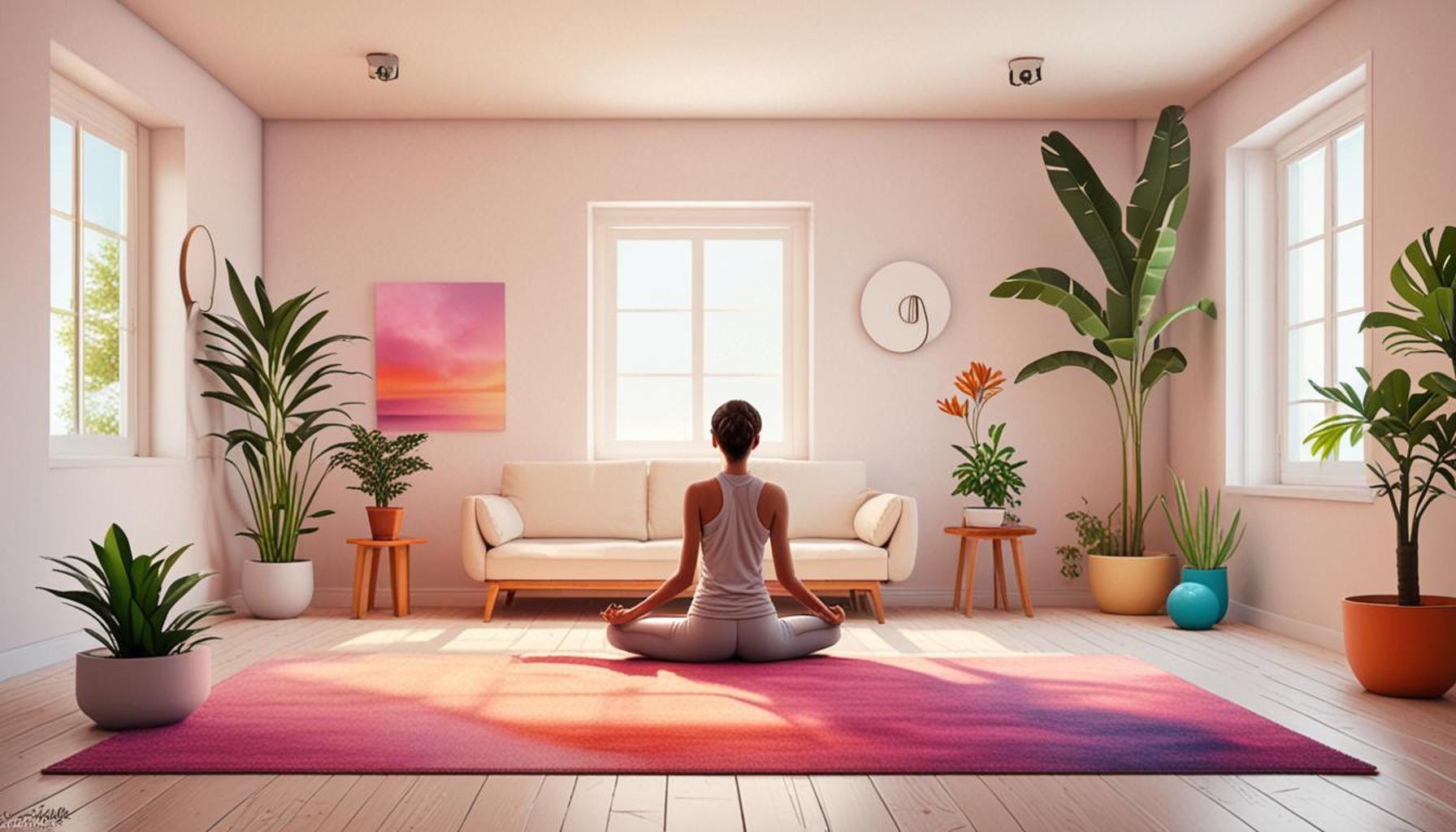
- Natural Light: Harness the warmth of sunlight streaming through your windows or choose soft artificial lighting that mimics its glow. This approach not only enhances mood but also creates an inviting space that encourages relaxation and mindfulness.
- Comfortable Seating: Whether it’s a plush cushion, a flat mat, or a comfortable chair, ensure that your seating arrangement promotes relaxation. In a Nigerian context, you might opt for a traditional local cushion filled with natural fibers, allowing for both comfort and authenticity.
- Calming Colors: Colors have a profound effect on our emotions. Soft pastel shades and soothing earth tones can evoke serenity and encourage a peaceful mindset. Consider painting your space with colors like soft green, beige, or light blue, which resonate with nature and tranquility.
- Personal Touches: Incorporating elements that resonate with you, such as potted plants (which are prevalent in Nigerian homes) or artwork featuring local landscapes, gives your space a unique identity. This personal touch not only enhances the aesthetic appeal but also reinforces a sense of belonging and connection.
In places like Nigeria, where the rhythm of life can be overwhelmingly vibrant, dedicating a corner of your home as a meditation sanctuary can serve as a refreshing retreat from the hustle and bustle. Consider using local materials, such as beautifully woven fabrics or carved wooden decorations, to infuse your meditation space with cultural significance while promoting mindfulness.
As you explore minimalism, it becomes evident that simplicity does more than just unclutter your surroundings; it enriches your mental landscape as well. This approach encourages you to prioritize not just physical peace, but also the mental clarity that aids in effective decision-making and emotional wellbeing. With the right elements in place, you will be able to create a space that not only nurtures your soul but also enhances your overall quality of life.
SEE ALSO: Click here to read another article
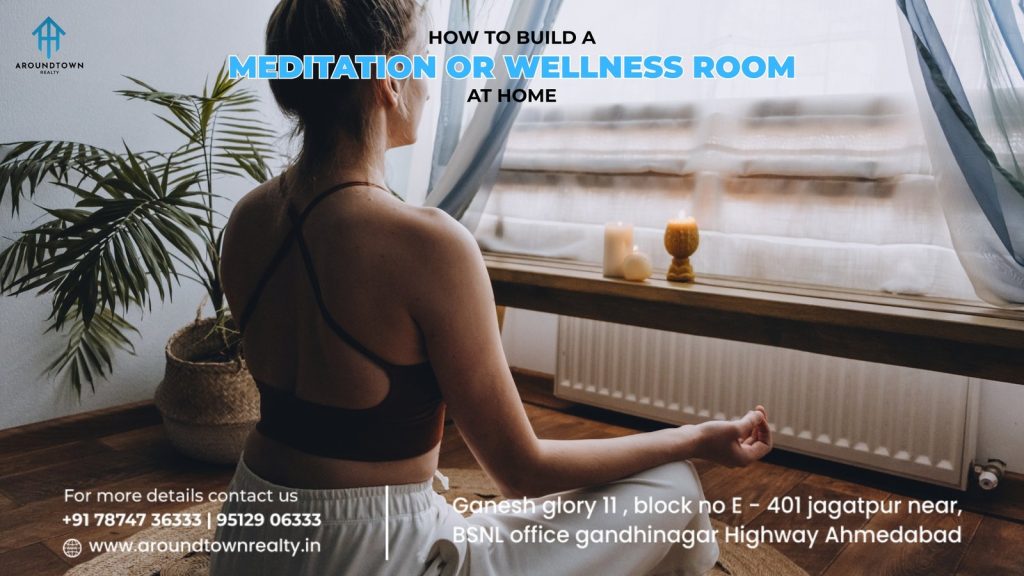
Essential Elements for a Serene Meditation Space
Creating a meditation space that cultivates tranquility and mental clarity requires thoughtful consideration of various elements that resonate with personal serenity. In Nigeria, where cultural heritage beautifully intertwines with daily life, our meditation areas can be spaces that honor both tradition and personal peace. Here are key elements to consider for your meditation sanctuary:
- Simplicity in Design: Minimalism is about embracing simplicity, which can significantly aid in reducing mental clutter. Opt for a streamlined layout that avoids excessive furniture and decor. A modest setup that includes only essential items can foster a sense of calm and allow your mind to focus on the present moment.
- Natural Elements: Bring the outdoors inside by incorporating natural materials like wood, stone, or fibers. In Nigeria, this could mean using locally sourced items such as clay pots or handmade baskets. Such elements not only enhance the aesthetic but also anchor your space in nature, promoting an innate sense of tranquility.
- Sound and Silence: Consider how sound influences your meditation practice. In a bustling environment, the gentle hum of nature, such as birds chirping or leaves rustling, can be profoundly soothing. You might even choose to play calming sounds or soft instrumental music to further create an atmosphere conducive to relaxation.
- Aromatherapy: Scents have a powerful impact on our emotions and can enhance the meditation experience. Incorporating essential oils like lavender, eucalyptus, or frankincense can offer a serene ambiance. You could easily integrate local scents, such as those from Nigerian herbs like lemongrass or ginger, which not only please the senses but also promote wellness.
As you curate your meditation space, remember that consistency is vital. A designated area within your home set aside specifically for meditation can significantly transform your mindset. It signals to your brain that this space is meant for relaxation and introspection. Decorated with items that remind you of your intentions—whether it be a photograph of loved ones, inspiring quotes, or mementos from your travels—this dedicated zone can enhance your ability to disconnect from daily stressors.
Moreover, the choice of technology in your meditation area should be deliberate. While many opt for essential gadgets, such as timers or calming apps, consider limiting the use of devices that may distract. Instead, foster an atmosphere free of notifications and alerts, allowing for genuine connection with oneself during meditation.
By implementing these essential elements, your meditation space can become a haven that promotes both mental clarity and a substantial sense of well-being. Ultimately, this cultivation of simplicity and intentionality can lead to not only deeper meditation practices but also an enriching lifestyle deeply rooted in the principles of minimalism.
| Advantage | Description |
|---|---|
| Simplified Aesthetics | Minimalism emphasizes clean lines and uncluttered spaces, promoting a serene environment that encourages mental clarity and focus. |
| Mindful Connections | Creating a meditation space with a minimalist approach aids in forging a deeper connection with one’s own thoughts, fostering tranquility during practice. |
The importance of emotional well-being in today’s speedy life cannot be overstated. Incorporating simple design elements into your meditation area, such as natural light and earthy colors, can lead to an uplifting ambiance conducive to meditation. These elements play a crucial role in establishing a setting where one can truly unwind, focusing solely on the present moment.Additionally, minimizing distractions within the space signals the mind to quiet down, enhancing the overall experience of meditation. Whether it is through the choice of materials, furnishings, or decor, each aspect should align with the goal of creating a harmonious space that nurtures both tranquility and the clarity of thoughts.In a systematic exploration, research shines light on the psychological benefits tied with simplicity in our surrounding environments. Thus, by adopting minimalism in your meditation practice, you may find a profound shift in your mental state, allowing for a steadfast journey toward peace and focus.
ADDITIONAL INSIGHTS: Expand your understanding here
Color and Lighting: Crafting the Right Atmosphere
The color palette of your meditation space can significantly affect your mood and state of mind. Colors like soft blues, gentle greens, and neutral tones tend to evoke calming feelings and foster relaxation. In Nigeria, you might choose to reflect local landscapes through colors that mimic the serene azure of the sky or the earthy tones of the savannah. Studies show that certain colors can enhance concentration and restore emotional equilibrium, vital for effective meditation practices.
Alongside color, the lighting in your space plays a crucial role in creating an environment of peace. Natural light is often the best option, promoting a sense of connection to the outside world and encouraging a sense of rejuvenation. If your meditation area lacks adequate daylight, consider using soft, warm light bulbs to simulate sunlight. You might also utilize candles, which not only add a gentle glow but also invite a sense of intimacy and warmth. For a touch of flavor, explore traditional Nigerian calabash lanterns—these not only illuminate your space but bring a beautiful cultural element into your practice.
Furniture and Arrangement: Flexibility Meets Comfort
When selecting furniture for your meditation area, prioritize comfort and flexibility. A simple mat can serve as a meditation seat, offering the freedom to reposition as needed. In Nigeria, you could opt for a traditional floor cushion or a locally made textile for added comfort during your practice. Folding chairs or minimalist benches can also provide extra seating options for group meditations.
The arrangement of your furniture is also essential. Place your mat or seating area facing a calming view or natural light source, allowing your mind to rest on serene imagery. If you’re working with limited space, use a corner of a room or even a balcony to create your personal oasis. Remember to keep pathways clear to enhance the smooth energy flow, promoting a feeling of accessibility and openness.
Personal Touches: Infusing Your Space with Intention
Your meditation area should resonate with your personal journey and beliefs. Incorporate items that hold personal significance, such as photographs, art, or gifts from loved ones. These tokens not only make the space inviting but also serve as daily reminders of your intentions and goals. For instance, incorporating a small altar adorned with meaningful symbols or objects—perhaps a small statue of a deity or a handcrafted piece from local artisans—can deepen the spiritual essence of your space.
In addition, think about integrating books or inspirational materials that resonate with your meditation practice. Whether they are texts exploring mindfulness, spirituality, or even Nigerian proverbs that highlight peace and wisdom, having these resources nearby can enhance your meditation experience and provide guidance when needed. This library can slowly evolve, featuring texts that inspire you in different phases of your journey.
Ultimately, an effective meditation space embodies the principles of minimalism, providing an environment that fosters clarity and focus. By consciously selecting elements that resonate with your personal journey and provide comfort, you’ll create an inviting sanctuary that nurtures both your body and spirit, paving the way for a more fulfilling lifestyle.
SEE ALSO: Click here to read another article
Conclusion: Embracing Simplicity for a Deeper Connection
In conclusion, the art of creating a meditation space that promotes tranquility and mental clarity lies in the principles of minimalism and mindful selection of your surroundings. By intentionally curating your meditation area with calming colors, soft lighting, and comfortable furniture, you design an environment that fosters peace, allowing both body and mind to unwind.
Moreover, personalizing your space with meaningful items creates a unique sanctuary that reflects your journey, enhancing your meditation experience. Integrating elements such as local crafts or texts infused with cultural significance—be it inspirational Nigerian proverbs or serene artwork—can enrich your practice, guiding you towards self-discovery and clarity.
As you embark on this journey, remember that the goal is not to accumulate an array of possessions but to embrace simplicity that resonates with your spirit and enhances your focus. This mindful approach to your meditation space can lead to transformative results in your life, providing a constant source of tranquility amidst the chaos of daily existence. By fostering this tranquil environment, you lay the groundwork for a lifestyle rooted in mental clarity and emotional well-being.
As you continue to cultivate your meditation space, may you find deeper connection and insight, paving the way for a more peaceful and fulfilling life.