Mindfulness and the Art of Living Intentionally: Redefining Priorities in Minimalism

Exploring Mindfulness and Minimalism
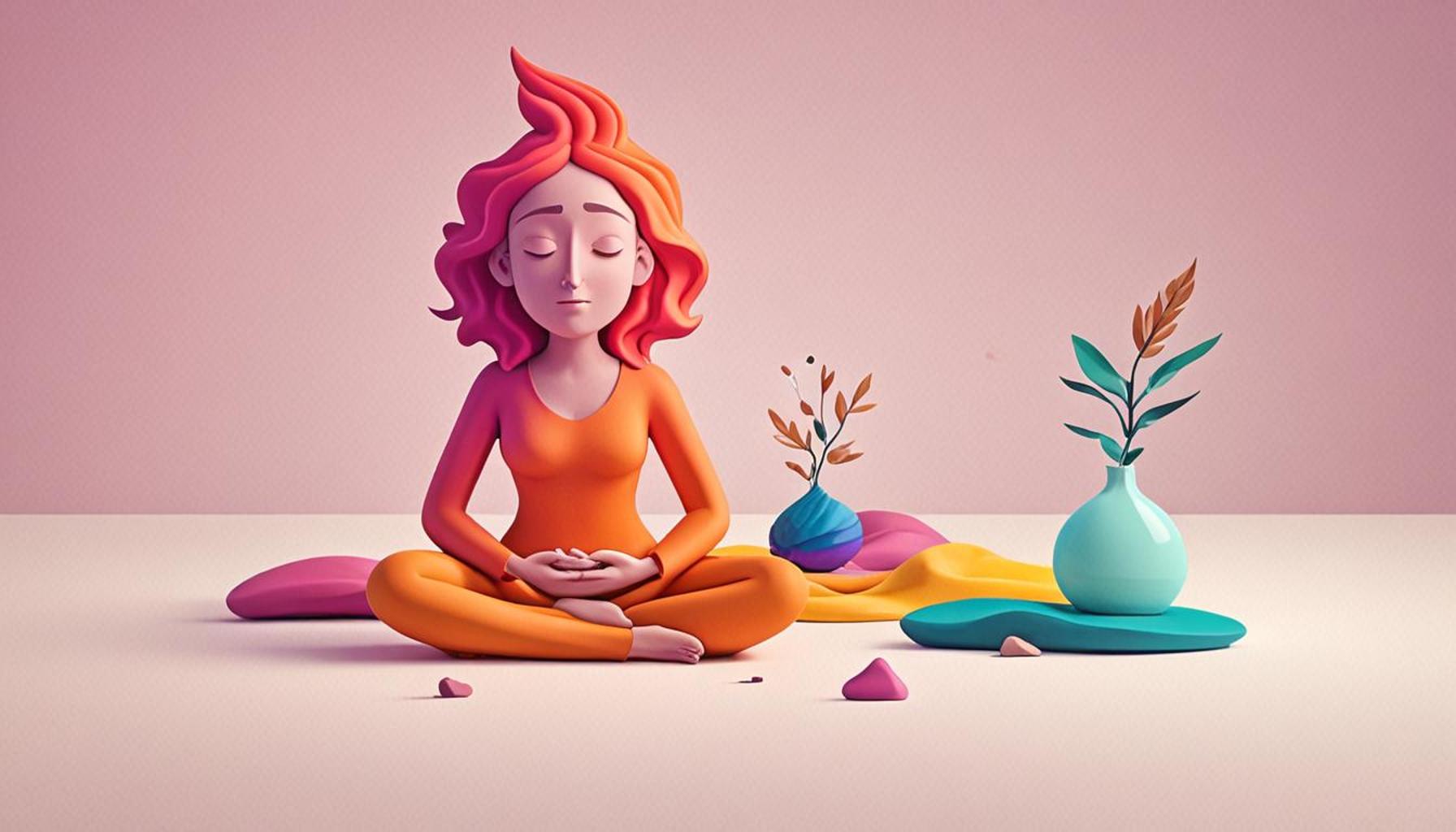
As society becomes increasingly data-driven and interlinked, individuals often find themselves grappling with anxiety and overwhelm. In this landscape, the practice of mindfulness stands out as a transformative approach. It encourages individuals to be fully present in the moment, appreciating experiences rather than merely existing in a cycle of endless tasks. By adopting a mindful attitude, people can learn to filter through the noise of daily life and hone in on what truly matters to them.
The journey toward minimalism aligns seamlessly with mindfulness, urging individuals to challenge their attachment to material possessions. Minimalism is not just about decluttering physical spaces; it’s a holistic approach to life that urges participants to reevaluate their emotional and philosophical investments. The emphasis on experiences over possessions creates a foundation for deeper connections and personal growth. This transformation can lead to more satisfying interpersonal relationships, as individuals who embrace minimalism often find themselves more engaged with their communities and families.
Key Aspects of Mindfulness and Minimalism
Consider the following essential elements that encapsulate these practices:
- Mindful Living: This involves consciously acknowledging our thoughts, emotions, and sensations. Techniques like deep breathing or meditation can improve mental clarity and emotional balance. In Nigeria, guided meditation sessions in local communities or mindfulness workshops in vibrant cities like Abuja are proliferating, allowing individuals to cultivate this awareness.
- Simplifying Choices: By reducing clutter, both physical and mental, one can take back control of time and well-being. For instance, many Nigerians are discovering the benefits of organizing their living spaces and making conscious decisions about what to keep or discard. This is evidenced by the growing popularity of workshops on decluttering.
- Intentional Decisions: Making choices aligned with core values is crucial. This strategy involves assessing what one seeks to achieve in life and adjusting habits accordingly. For instance, opting out of certain social obligations in favor of meaningful time with family can embody this principle.
Across Nigeria, the integration of mindfulness practices is steadily gaining traction, especially among urban dwellers who often find themselves overwhelmed by the hustle and bustle of city life. By focusing on individual well-being, communities are fostering spaces for dialogue on mental health and emotional resilience. From local initiatives that promote sustainable living to community yoga classes, there is a burgeoning recognition that mindfulness can serve as a guide toward a more balanced existence.
The Path Ahead
As we continue to explore the nuances of incorporating these principles into our daily lives, we can uncover new pathways to living purposefully in an age marked by excess. The journey toward a more intentional life promises not only personal growth but also the cultivation of stronger, more resilient communities. Join us as we navigate through the art of living with intention, discovering how mindfulness and minimalism can illuminate our paths in challenging times.
ADDITIONAL INSIGHTS: Expand your understanding here
Embracing Mindfulness as a Foundation for Minimalist Living
The interplay between mindfulness and minimalism offers a framework for individuals seeking to reclaim their lives from the fast-paced, often chaotic demands of modern society. In a country like Nigeria, where the vibrant mix of cultures and the hustle of daily life can amplify feelings of stress, adopting mindfulness can serve as a beacon of hope. By cultivating awareness in everyday moments, individuals can significantly enhance their quality of life while embracing the minimalist philosophy—focusing on what enriches their existence.
One of the first steps in intertwining mindfulness with minimalism is to recognize the power of presence. This means engaging fully with each moment, whether it is enjoying a meal, conversing with a friend, or simply sitting quietly in nature. Through simple practices like mindful breathing or small moments of solitude, one can cultivate an appreciation for the here and now. This shift in focus can lead to a profound realization: many of the distractions vying for attention are, in reality, unessential.
Moreover, minimalism, often defined by the act of decluttering physical spaces, invites a broader understanding of what it means to live intentionally. The journey toward minimalism can begin with three core principles:
- Reflection: Regularly assess personal values and priorities. This process may involve journaling or meditative practice guiding one to recognize what matters most. For individuals living in bustling urban centers like Lagos, where the pace often dictates one’s commitments, reflection facilitates mindfulness in decision-making.
- Conscious Consumption: Each purchase should resonate with one’s values and intentions. Nigerians can cultivate a habit of questioning the need behind every acquisition, emphasizing quality over quantity. This not only supports sustainability but also fosters a sense of personal responsibility toward the environment.
- Fostering Connections: Building and nurturing relationships is at the heart of both mindfulness and minimalism. Initiatives focusing on community-building, such as neighborhood swap meets or local artisan markets, can serve as platforms for deeper interactions, enriching lives through shared experiences rather than material goods.
As more people embrace the natural cadence of mindful living, the movement toward minimalism blossoms, fostering a culture that values depth over breadth. Emerging discussions within Nigerian communities, particularly among the youth, highlight how mindfulness practices can positively influence mental health and social interactions. Initiatives ranging from local mindfulness retreats to online workshops aimed at demystifying minimalism are gradually reshaping perceptions of success and fulfillment.
This synergy of mindfulness and minimalism promotes not just personal well-being, but also an enhanced sense of community and belonging. It encourages individuals to not only rethink their priorities but also to actively participate in creating environments that reflect their values. Understanding that intentional living transcends mere simplicity could lead to a transformative impact both individually and collectively.
Exploring the Depths of Mindfulness in Minimalism
To delve deeper into the essence of mindfulness and minimalism, we must first understand how these practices interweave to shape our daily lives. By living intentionally, we can effectively prioritize what truly matters, enriching our experiences and fostering a sense of calm amidst the chaos. Mindfulness encourages a profound awareness of our thoughts and actions, while minimalism provides the framework to eliminate distractions and focus on the essential.
Engaging in mindful practices—such as meditation, deep breathing, or journaling—facilitates a clearer understanding of our values and desires. As a result, we begin to question what is genuinely necessary for our well-being. The art of living intentionally challenges us to redefine our relationship with material possessions and social obligations. It lays the groundwork for cultivating genuine connections and a purposeful lifestyle.
Techniques to Foster Mindfulness
Simple yet effective techniques can help maintain mindfulness in our fast-paced world. Techniques like setting aside moments for reflection or engaging in daily gratitude can foster a sense of appreciation. Additionally, adopting a minimalistic approach to our schedules—removing non-essential commitments—allows us to create space for deeper engagement with what we simply love to do. These practices not only reduce stress but also enhance our enjoyment of life.
As we navigate through the principles of mindfulness and minimalism, we can explore how these methods contribute to overall mental and emotional well-being. Understanding that our priorities define our realities encourages a shift towards intentional living, enabling us to cherish moments in a rapidly changing world. This journey towards simplicity and awareness might unlock greater fulfillment and contentment, leading to a more meaningful life experience.
| Category | Advantages |
|---|---|
| Mindfulness | Enhances focus, reduces stress, and fosters emotional resilience. |
| Minimalism | Eliminates distractions, simplifies choices, and promotes a meaningful life. |
Embracing the synergy between mindfulness and minimalism leads to a transformative journey. It opens pathways to understanding our desires while empowering us to make decisions that align with our true selves. As we continue exploring these concepts, we uncover an invitation to engage more deeply with our lives and redefine what it means to live intentionally.
YOU MAY ALSO LIKE: Read read another article
The Intersection of Mindfulness, Minimalism, and Cultural Identity
In Nigeria, where tradition and modernity often collide, embracing mindfulness within the context of minimalism can lead to a unique redefinition of cultural identity. The richness of Nigerian heritage is apparent in its art, music, and festivals; however, the pressures of contemporary life can sometimes overshadow the essence of these cultural experiences. Mindfulness allows Nigerians to reconnect with their traditions, understanding how they can shape intentions and foster an appreciation for what is authentic in their lives.
One significant aspect of this cultural exploration is the idea of intentional simplicity. Many Nigerians have learned to embrace a lifestyle that prioritizes meaningful experiences over material excess. For instance, community gatherings that revolve around storytelling, music, or cooking traditional meals can create a strong sense of belonging. These events exemplify minimalism in action—participants need not invest in extravagant possessions but rather focus on shared values and traditions that create bonds. This shift strengthens community ties, as individuals recognize that true wealth lies in the relationships and memories they cultivate.
Moreover, mindfulness can transform one’s relationship with their surroundings, particularly in urban settings where rapid development often leads to disconnection. In Lagos, for instance, the noise and fast pace of life can be overwhelming. Engaging in mindfulness practices such as meditation or peaceful walks through parks like the Lekki Conservation Centre allows individuals to ground themselves amidst the chaos. These moments foster a clearer perspective on what is essential, enabling one to make choices aligned with personal values instead of societal pressures.
The growing trend of sustainable practices within Nigeria also complements the principles of minimalism and mindfulness. With the advent of climate change affecting agricultural outputs and community livelihoods, many Nigerians are seeking to minimize their ecological footprints. Initiatives such as urban farming, upcycling of materials, and supporting local artisans reflect a conscious decision to cherish resources rather than consume recklessly. This practice enhances a sense of community responsibility while aligning with mindful consumption.
Integrating mindfulness into daily life fosters resilience, especially amidst the socio-economic challenges that many Nigerians face. It encourages individuals to adopt a positive perspective, appreciating life’s simple joys while confronting difficulties with grace and composure. By prioritizing mental well-being, one cultivates an environment where intentional living can flourish, ultimately driving the collective movement toward a more thoughtful lifestyle promoting both personal and communal growth.
The fusion of mindfulness and minimalism significantly impacts the younger generation as well. Sociocultural dialogues on platforms such as social media are shifting towards advocating for mental health awareness and sustainable living. This has encouraged youth-led movements across Nigeria that challenge conventional notions of success, urging peers to embrace authenticity over materialism. Community-led projects emphasizing self-care and holistic living are on the rise, reinforcing that minimalism can indeed coexist with rich cultural expressions.
As Nigerians increasingly recognize the value of embracing simplicity, mindfulness serves as a guiding ethos. By reflecting on personal priorities and fostering deeper connections with their communities, individuals can pave the way for a lifestyle that is more intentional and enriching. Mindfulness, paired with minimalism, creates the potential for transformative societal change, where individuals collectively redefine what it means to live richly.
RECOMMENDED: Check out this similar article
Reimagining Life Through Mindfulness and Minimalism
In conclusion, the journey of mindfulness and minimalism offers a transformative path for Nigerians seeking to redefine their priorities in an increasingly fast-paced world. By embracing intentional simplicity, individuals cultivate a deeper connection with their cultural identities, fostering community bonds that thrive on shared experiences rather than material possessions. This shift not only enhances personal well-being but also fortifies community ties, creating a tapestry of support that enriches the collective experience.
The essence of living intentionally is found in recognizing the profound impact of mindfulness practices on daily life. Whether it’s through serene moments of meditation in a bustling urban landscape or participating in local initiatives promoting sustainability, mindfulness paves the way for a lifestyle characterized by purpose. Nigerians are beginning to acknowledge that meaningful engagement with life, through both tradition and innovation, does not necessitate excess but rather a deliberate focus on what truly matters.
This movement towards mindfulness and minimalism, especially amongst the youth, highlights an important cultural shift that values authenticity over conspicuous consumption. As conversations evolve and new practices take root, Nigeria stands at the forefront of a new era that intertwines rich cultural heritage with the principles of intentional living. By prioritizing mental health, community engagement, and sustainable choices, individuals can indeed redefine what it means to live richly—not merely in material terms but in spirit and connection. Therefore, as we continue to navigate this journey, let mindfulness be our compass in crafting a life filled with intention, purpose, and fulfillment.