
Functional Aesthetics and Sustainability: How Minimalism Can Contribute to an Ecological Lifestyle

Understanding the Intersection of Minimalism and Sustainability
As the world confronts pressing environmental issues such as climate change, pollution, and resource depletion, more individuals are searching for lifestyle adjustments that can diminish their ecological footprints. At the crossroads of this quest for sustainability lies functional aesthetics and minimalism. Distinguished by its clear lines, uncluttered spaces, and purposeful design, minimalism extends beyond mere decoration—ushering in an intentional way of living that prioritizes sustainability.
Central to this philosophy is the idea of reduced waste. By focusing on high-quality products that are designed to last, individuals can significantly minimize their consumption and the associated waste. For instance, in Nigeria where plastic pollution has reached alarming levels, investing in durable items, like stainless steel water bottles or bamboo utensils, not only promotes a sustainable lifestyle but also encourages others to reconsider their daily choices. This shift in mindset helps to cultivate an environment-conscious community.
The concept of timeless design is equally vital. Minimalist aesthetics champions sustainability by promoting designs that endure both in functionality and appeal. This approach can be exemplified in the world of fashion; consider the Nigerian brand that crafts traditional attire using natural dyes or locally sourced cotton. By creating versatile pieces that can be worn across seasons and occasions, such brands reduce the cycle of fast fashion that contributes to waste and environmental degradation.
Optimizing Resources through Efficient Living
In an era where urban living often translates to congested spaces and high resource consumption, the minimalist approach leads to efficient living. By optimizing home layouts to maximize space utility, Nigerians can minimize energy usage. Simple adjustments like employing multifunctional furniture or decluttering personal belongings can create serene spaces that foster well-being while conserving resources.
This ethos can be particularly beneficial for Nigerians looking to integrate natural materials into their homes. Utilizing locally sourced materials—such as mud bricks or thatch—reduces transportation emissions and encourages support for local economies. Imagine homes that not only reflect cultural identity but also contribute positively to environmental sustainability.
Moreover, there is considerable potential for the adoption of solar energy. Countries like Nigeria, blessed with abundant sunshine, can benefit from minimalist designs that incorporate solar panels. These innovations can empower homes to harness renewable energy, thus reducing dependence on non-renewable sources and bolstering energy independence.
Water conservation practices such as efficient plumbing and rainwater harvesting systems present yet another facet of minimalist living. In Nigeria, where seasonal rain patterns can be unpredictable, integrating these systems not only addresses water scarcity but also reinforces environmental stewardship.
Charting a Sustainable Future
As we explore the synergies between minimalism and sustainability, it becomes evident that adopting a minimalist lifestyle does not merely reshape our living spaces but also transforms our ecological consciousness. The potential for minimalism to enhance sustainability presents an engaging opportunity for individuals and communities alike. Are we ready to embrace a lifestyle that not only simplifies but also elevates our environmental responsibility? Join us as we continue to uncover the myriad of ways minimalism can contribute to a healthier planet.
LEARN MORE: This related article may interest you
The Role of Functional Aesthetics in Everyday Life
At its core, functional aesthetics melds beauty and purpose, promoting a lifestyle that is both visually appealing and ecologically responsible. In Nigeria, where the rapid pace of urbanization is accompanied by unsustainable consumption patterns, embracing functional aesthetics can create a counter-narrative, steering society towards practices that encourage resourcefulness and environmental mindfulness.
One tangible way to achieve this is through the careful selection of decorative items and household elements that serve multiple functions. Nigerians are known for their rich fabric traditions; incorporating locally crafted textiles into home décor not only showcases cultural heritage but also supports local artisans. By choosing handmade goods that respect traditional skills, individuals contribute to a thriving local economy while minimizing the carbon footprint associated with mass production.
Furthermore, the principles of functional aesthetics inspire a re-evaluation of what constitutes a ‘necessity.’ By discerning essential items from the superfluous, one can reduce the clutter that often leads to mental stress and environmental waste. Consider adopting a “one in, one out” approach when it comes to purchasing items—ensuring that for every new acquisition, an older item is given away or recycled.
Key Practices for Embracing Functional Aesthetics
To seamlessly integrate functional aesthetics into daily life, here are some practical approaches to consider:
- Embrace Quality Over Quantity: Invest in fewer, high-quality items that are durable and versatile, reducing long-term consumer waste.
- Declutter Regularly: Engage in periodic assessments of possessions to identify items that are no longer needed, practicing mindful consumption.
- Repurpose and Upcycle: Give new life to old items. For example, transform glass jars into storage containers or use old fabrics for unique wall art.
- Support Local Artisans: Whenever possible, purchase from local craftspeople who prioritize sustainable methods and materials.
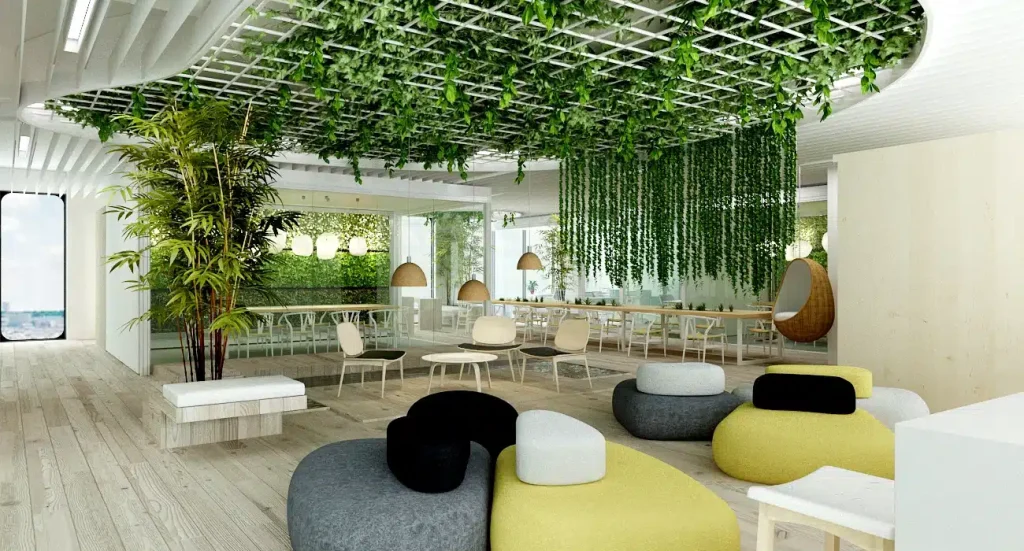
- Integrate Nature: Bring natural elements into indoor spaces, such as houseplants or natural decor made from stones or wood, fostering a direct connection to the environment.
These practices demonstrate that aligning with functional aesthetics serves not just to beautify, but also to fundamentally alter our relationship with the planet. As Nigerians increasingly face the realities of environmental degradation, adopting such principles can empower communities to take ownership of their ecological impacts. The journey toward sustainability becomes not just a personal responsibility, but a shared cultural goal.
Inspiring Deeper Connections through Design
The clash between traditional values and modern consumerism often leaves communities grappling with contradictory identity crises. By integrating minimalist principles into modern living spaces, Nigerians can create environments that reflect personal and collective aspirations while also honoring their cultural roots. This embrace of aesthetics that serve a functional purpose heralds a future where homes become havens of sustainability, empowering individuals to cultivate deeper connections with their belongings and their environment.
| Advantages | Impact on Sustainability |
|---|---|
| Reduced Consumption | Minimalism encourages the reduction of excess, leading to lower demand for resources and less waste in landfills. |
| Timeless Design | Aesthetic choices based on simplicity often emphasize durability over fleeting trends, resulting in products that last longer and reduce the frequency of replacements. |
| Improved Mental Well-being | A clutter-free environment enhances personal mental clarity, which can lead to more thoughtful consumption choices, aligning with an ecological lifestyle. |
| Community Engagement | Minimalism often fosters community-building and sharing resources, reducing individual consumption and promoting a collective approach to sustainability. |
The essence of “Functional Aesthetics and Sustainability” draws attention to how minimalism serves as a strategic ally in the pursuit of an ecological lifestyle. Embracing a minimalist approach not only reshapes our surroundings but also influences our behavioral patterns towards consumption, leading to a significant reduction in our carbon footprint. Each of these advantages dovetails into a holistic framework, poised to challenge our conventional thinking regarding consumption and waste, inviting us to rethink what this lifestyle entails. Interested readers can delve deeper into how these aspects can be integrated and the broader implications for our environment and community health.
LEARN MORE: This related article may interest you
Embracing Minimalism for a Sustainable Future
As the world grapples with the pressing challenges of climate change and resource depletion, minimalism has emerged as a beacon of hope for individuals and communities seeking to embrace a more sustainable lifestyle. In Nigeria, where urban spaces are increasingly becoming hotspots for environmental degradation, minimalism offers a means to pivot towards ecological consciousness while enhancing the quality of life.
Minimalism encourages individuals to strip away excess, fostering a deep appreciation for the essential. This shift not only simplifies living but diminishes consumption, making it a vital component in the pursuit of sustainability. A notable example can be observed in Nigeria’s thriving second-hand market, known as “bargain hunting,” where consumers engage in buying and selling pre-owned goods. Such practices not only reduce waste but also promote a circular economy that prioritizes reusability over disposability.
The Psychological Benefits of Simplification
Beyond the environmental gains, minimalism has profound psychological benefits that contribute to an overall healthier lifestyle. Research indicates that clutter can lead to anxiety and stress, diverting attention from what truly matters. By adopting minimalist aesthetics in their homes—design elements that prioritize clarity and functionality—Nigerians can cultivate peaceful environments that promote well-being.
Furthermore, the aesthetics of minimalism advocate for the use of natural materials in home design. By favoring items crafted from wood, bamboo, or clay, individuals not only reduce their reliance on synthetic products but also bolster local craftsmanship. Using indigenous materials can also aid in supporting local economies while creating spaces that resonate with cultural significance. By embracing these practices, individuals play a pivotal role in reducing the demand for non-biodegradable alternatives that dominate the consumer market.
Innovative Solutions for Sustainable Living
Minimalism also inspires innovative solutions for everyday challenges. For instance, the concept of tiny homes—compact, efficient living spaces—has gained popularity worldwide and is finding its footing in urban Nigerian landscapes. Tiny homes not only minimize energy consumption but encourage communal living, as neighbors share resources and facilities. This trend can facilitate a shift away from the sprawling suburban model towards more eco-friendly alternatives that are both economical and sustainable.
Moreover, technology plays a critical role in enhancing a minimalist and sustainable lifestyle. Smart technologies, such as energy-efficient appliances and automated home systems, promote mindful usage of resources. For example, energy-efficient lighting and smart thermostats can significantly lower energy bills while reducing carbon footprints. Incorporating such technologies enables Nigerians to pursue a modern lifestyle while remaining vigilant about preserving their natural environment.
The Rise of Sustainable Brands
The increasing awareness of sustainability issues has also spurred the rise of brands and businesses that prioritize eco-friendly practices. Local companies are emerging, offering products designed with minimalism in mind, such as biodegradable goods, sustainable fashion lines, and zero-waste initiatives. These brands highlight the fusion of design and consciousness, proving that sustainability can be stylish and practical. Engaging with these businesses allows consumers to make informed choices that align with their values, thereby expanding their impact on the environment.
Understanding the symbiotic relationship between functional aesthetics and sustainability provides an avenue for a more profound cultural shift. Embracing minimalism does not merely serve as a personal ethos, but it has the potential to inspire collective action towards a greener and more equitable society in Nigeria.
YOU MAY ALSO LIKE: Read read another article
Conclusion: The Path Forward with Minimalism
In the quest for an ecological lifestyle, functional aesthetics demonstrated through minimalism serves as a transformative approach that resonates deeply within the Nigerian context. By prioritizing the essential and embracing simplicity, individuals not only reduce their environmental footprint but also cultivate a more fulfilling and less cluttered life. This shift towards minimalism is not merely about aesthetic preferences; it calls for a critical examination of consumption habits and a renewed appreciation for local craftsmanship and resources.
The psychological benefits that accompany minimalism, such as reduced anxiety and heightened mindfulness, contribute to overall well-being, reinforcing the importance of creating harmonious living spaces. In a rapidly urbanizing Nigeria, where environmental degradation poses a significant threat, the adoption of sustainable practices—such as engaging with sustainable brands and exploring innovative housing concepts like tiny homes—becomes vital. Together, these practices foster community engagement and encourage collective responsibility towards environmental stewardship.
Moreover, the integration of smart technologies in our everyday lives can complement minimalist aesthetics, offering both convenience and ecological advantages. As conscious consumers, Nigerians are encouraged to support local sustainable brands that embody both style and environmental responsibility; the ripple effects of this commitment can reshape markets and inspire a culture of sustainability. In conclusion, the journey towards an eco-friendly future is anchored in the principles of minimalism, paving the way for generations to thrive on a planet that honors both its natural beauty and cultural heritage.