Creating a Minimalist Lifestyle: The Art of Eliminating Clutter and Maximizing Functionality

Navigating the Clutter of Modern Life
In a world overflowing with distractions and possessions, creating a minimalist lifestyle becomes a valuable pursuit. The essence lies in simplifying life to enhance focus, purpose, and tranquility. Minimalism extends beyond merely owning fewer items; it represents a transformative approach that encourages individuals to foster a deeper connection with what they own and incorporate into their lives.
To effectively embrace this philosophy, it is essential to understand some fundamental concepts:
- Intentionality: Each item in your possession should serve a clear purpose or bring genuine joy. This idea may resonate with many Nigerians, where culturally significant items often accumulate—from family heirlooms to gifts that carry memories. Reflect on whether these items enrich your daily experience or simply take up space.
- Prioritization: Focus on activities and possessions that truly add value to your life. This could mean choosing to invest time in meaningful relationships instead of hoarding material goods that don’t contribute to your well-being.
- Mindfulness: Being present and conscious about consumption and the space you inhabit can lead to greater satisfaction. In Nigeria, this could mean more thoughtfully selecting traditional garments or household decorations that enhance your home rather than clutter it.
As more people in Nigeria explore the benefits of a simpler existence, it’s important to recognize how embracing minimalism can have profound effects on personal wellness. The hustle and bustle of daily life often leads to overwhelming clutter, both physical and mental, posing challenges to our mental health.
Adopting a minimalist lifestyle can bring about numerous advantages:
- Reducing stress and anxiety caused by disorganization, which is particularly relevant in Nigeria’s busy urban environments, where the chaos of city life can feel overwhelming.
- Enhancing productivity by maximizing functionality in your environment; a well-organized space can help maintain focus, whether in a home office or a small workspace.
- Encouraging a sustainable lifestyle through conscious consumption, as minimalism often promotes thoughtful shopping habits, minimizing waste, and advocating for local artisans and ethically sourced goods.
As we delve deeper into the art of eliminating clutter, it’s essential to explore practical strategies for decluttering your surroundings. Begin by tackling one room at a time, assessing your belongings, and processing what to keep based on your needs and values.
Moreover, consider hosting a ‘minimalist swap’ with friends—trading items you no longer need can not only clear your home but also foster relationships and a sense of community. As you strategize, remember that adopting minimalism is not a destination but rather an evolving journey that yields both external and internal rewards.
In this transformative pursuit, individuals can uncover a lifestyle that not only cultivates peace amid Nigeria’s hectic rhythms but also nurtures personal growth and fulfillment. Embrace this journey, and you may just find that less is indeed more.
YOU MAY ALSO LIKE: Read read another article
Mastering the Decluttering Process
As you embark on the journey of creating a minimalist lifestyle, it is crucial to master the decluttering process. This involves not just getting rid of items but also understanding the underlying reasons behind the clutter. Each piece of clutter in your home represents a decision made—sometimes years ago—about what is considered important. A proper declutter goes beyond the physical space; it allows for mental cleansing and aids in creating a sanctuary that promotes peace and productivity.
Begin by assessing and organizing your belongings through a systematic approach. Here are several key steps to guide you through the process:
- Evaluate Your Spaces: Start with one room or area at a time, such as your bedroom or kitchen. Identify where clutter accumulates and take stock of what exists in those spaces.
- Sort and Categorize: Separate items into clear categories: keep, donate, recycle, or discard. Engage friends or family for a fresh perspective, as they may help you see items that no longer serve a purpose.
- Implement a “One In, One Out” Rule: To maintain your minimalist lifestyle, incorporate a practice where for every new item that enters your home, an old item must be removed. This simple rule can help prevent clutter from reaccumulating.
- Be Realistic About Sentimental Items: In a culture rich with traditions and family ties, it may be difficult to part with items that evoke memories. However, consider taking photographs of those keepsakes instead, to preserve the memories without the physical clutter.
In Nigeria, where communal living and family gatherings are often celebrated, this decluttering can lead to shared experiences. Once you have identified items to let go of, consider organizing a ‘clothes swap’ with your friends or neighbors. Not only does this clear your space, but it also fosters a sense of community and connection, making the decluttering process communal rather than isolating.
Another effective strategy is to create a ‘home for everything.’ Assign specific places for each item—a well-organized environment maximizes functionality and minimizes chaos. Ensure that items used frequently are easily accessible while those used less often are stored away—not forgetting to regularly reassess their value in your life.
The journey toward minimalism challenges you to rethink consumption patterns. It can be tempting to accumulate items found at local markets or during festivals. Engage in mindful purchasing—ask yourself: Does this item truly serve a purpose or bring joy to my life? By embracing thoughtful spending, you not only contribute to a simplified home but also support local artisans and businesses across Nigeria.
As you immerse yourself in the decluttering process, remember, it is an ongoing endeavor rather than a one-time event. Remaining adaptable and committed will allow you to cultivate a lifestyle enriched with purpose, functionality, and joy—one that harmonizes beautifully with the vibrant tapestry of Nigerian life.
| Advantages | Details |
|---|---|
| Reduced Stress | A minimalist lifestyle creates an environment of tranquility, helping to lower anxiety levels. |
| Increased Productivity | With fewer distractions, individuals can focus better on tasks, improving efficiency and output. |
| Sustainability | Embracing minimalism encourages thoughtful consumption and reduces waste. |
| Enhanced Creativity | A clean and simple space can lead to greater inspiration and innovative thinking. |
Adopting a minimalist lifestyle is not just about decluttering spaces; it’s a personal journey towards enhancing life satisfaction and emotional well-being. As more people discover the many benefits, the art of eliminating unnecessary possessions aligns with a deeper philosophy of appreciating the essential and beautiful in life. Tapping into the minimalist philosophy allows individuals to shift their focus from material consumption to meaningful experiences, fostering relationships, and personal growth. Through careful curation of their belongings, individuals can achieve a sense of freedom that promotes both mental clarity and emotional resilience. Join the wave of those transforming their lives, one intentional choice at a time.
LEARN MORE: This related article may interest you
Embracing Practicality and Functionality
As you continue to refine your minimalist lifestyle, it is necessary to shift your focus from merely eliminating clutter to maximizing functionality. A well-curated space not only looks aesthetically pleasing but also serves as a functional environment that enhances daily living. This balance can be achieved through intentional design and organization.
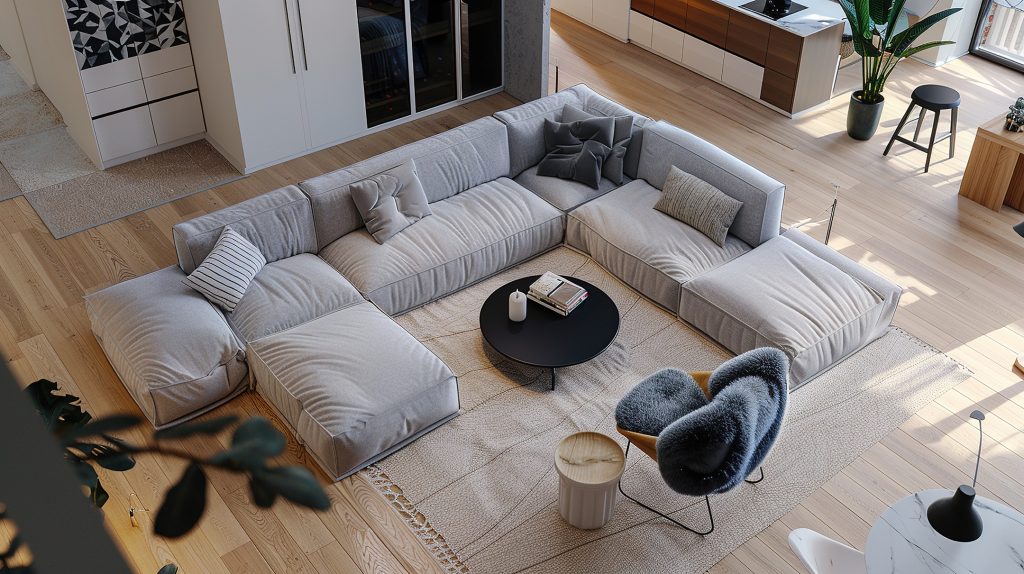
Choosing Multi-Functional Furniture is paramount in achieving a minimalist home. In Nigerian households, where space may often be limited, selecting furniture that serves multiple purposes can be game-changing. For instance, a well-crafted sofa bed is ideal for hosting guests without the need for multiple beds. Similarly, consider investing in ottomans or storage benches that provide seating while offering hidden storage for items that would otherwise contribute to clutter.
Another aspect to consider is streamlining your daily routines. Evaluate the way you move through your space and identify areas that can flow more seamlessly. For example, create a dedicated entryway that offers a place to store shoes, bags, and keys. This not only reduces chaos but allows for a more efficient transition from the outdoors to the comfort of your home. Additionally, maintaining a well-organized kitchen with pots and pans readily accessible will elevate your cooking experience, encouraging healthier meal preparation and reducing reliance on takeout.
The integration of technology can also contribute significantly to a minimalist lifestyle. Smart home devices can automate tasks such as lighting, thermostat adjustments, and even grocery lists. These conveniences free up mental space, allowing you to focus on more meaningful aspects of your life. In Nigeria, where the rhythms of technology are rapidly evolving, utilizing apps that help track consumption habits or manage inventory can assist in maintaining minimalism. Keeping a digital inventory of belongings can remind you of what you own, cleaning out duplicates that can easily accumulate over time.
As you cultivate pain-free spaces, you will discover the importance of simplicity in design. Adopt a monochromatic color scheme or a restrained palette to create a calm ambiance and make a space feel larger and easier to navigate. Not only do minimalist designs promote functionality, but they also encourage a mindful lifestyle that emphasizes quality over quantity. Choose decor items that inspire you rather than overwhelm—with a limited selection of artwork or photography, you will further accentuate the beauty of each piece.
Moreover, the act of sharing experiences has become increasingly vital in the pursuit of minimalism. Participate in community events that encourage exchanges of goods, ideas, and practices among neighbors. With an active communal spirit, such initiatives not only alleviate individual clutter but also strengthen relationships and foster collaboration. In Nigeria, grassroots movements can be observed as neighborhoods come together for communal clean-up days, teaching the value of shared responsibility for one’s environment.
Ultimately, embracing a minimalist lifestyle is much more than aesthetic choices; it’s about making intentional decisions that enhance your quality of life. With each purposeful selection, whether in furniture, organization, or community involvement, you are paving the way for a life that is clearer, more focused, and deeply engaged with what matters most. By marrying practicality with simplicity, you can establish an environment that thrives on functionality while reflecting the joyful essence of life in Nigeria.
SEE ALSO: Click here to read another article
Conclusion: The Journey Towards Minimalism
In conclusion, creating a minimalist lifestyle goes beyond the mere act of decluttering; it embodies a mindful approach to living that prioritizes quality, efficiency, and personal well-being. By embracing simplicity, choosing multi-functional furniture, and streamlining daily routines, individuals can transform their spaces into functional sanctuaries that enhance both productivity and tranquility.
Integrating technology further supports the minimalist vision, offering automations that simplify household tasks and promote a sense of ease in everyday living. In Nigeria, where urbanization often brings with it complexities, utilizing smart devices and apps can aid in maintaining a clutter-free environment, allowing for more focus on experiences and relationships rather than possessions.
Additionally, fostering a spirit of community through shared initiatives not only alleviates clutter but strengthens bonds among neighbors, highlighting the importance of collaboration and support. Engaging in communal activities like cleanup events encourages a collective commitment to minimalism that echoes throughout local neighborhoods.
Ultimately, the art of eliminating clutter and maximizing functionality is a transformative journey that sparks personal growth and enhances life quality. As you take steps towards minimalism, remember that each decision you make is an opportunity to curate a space and life that resonates with your values. Start small, reflect on what truly matters, and watch as your environment transforms into an oasis of calm and functionality, epitomizing the essence of a joyful life in Nigeria.