Menu

The Psychology of Functional Aesthetics: How Minimalist Environments Influence Our Emotions and Behaviors

Minimalist environments significantly impact our emotions and behaviors by reducing stress and enhancing focus. These spaces promote emotional well-being through clarity and intentionality, fostering mindfulness and deeper connections to cultural identity. Embracing functional aesthetics leads to improved mental health, making minimalism a vital consideration in modern design.

The Functional Aesthetics in the Minimalist Kitchen: Optimizing Spaces for Practicality and Style

This article explores how functional aesthetics enhance minimalist kitchen design, emphasizing the balance of practicality and style. It highlights the importance of organized spaces, multi-functional furniture, and cultural elements, promoting a vibrant cooking environment that fosters family bonding and efficiency, particularly within Nigerian culinary traditions.

The Connection between Functional Aesthetics and Mindfulness: Living Intentionally in Minimalist Environments

This article explores how functional aesthetics in minimalist environments enhances mindfulness and intentional living. By prioritizing simplicity, purposefulness, and quality, individuals can transform their spaces into calming retreats that promote emotional balance, mental clarity, and deeper connections with themselves and their surroundings. Embracing minimalism offers a pathway to a more fulfilling life.

Integrating Functional Aesthetics in the Organization of Small Spaces: Creative Solutions for Compact Environments

As urban living spaces shrink, integrating functional aesthetics becomes essential for maximizing utility and beauty. Creative design solutions, such as multi-functional furniture and innovative storage strategies, enhance compact environments while embracing cultural elements and sustainability. Transform your small space into a stylish, efficient haven that reflects personal expression and practicality.

The Functional Aesthetic in Minimalist Gardens: Creating Outdoor Spaces that Balance Beauty and Utility

This article explores the design of minimalist gardens, highlighting their ability to balance beauty and utility. It emphasizes space efficiency, low maintenance, and the integration of native plants to create serene outdoor retreats that enhance urban living while promoting sustainability and connection with nature.

The Influence of Functional Aesthetics in Minimalist Architecture: Projects that Combine Space, Light, and Simplicity

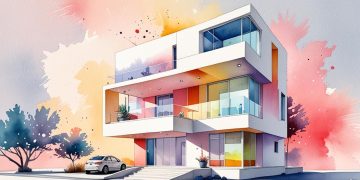
Minimalist architecture integrates functional aesthetics to create harmonious spaces that resonate with cultural and environmental contexts. By emphasizing open designs, natural light, and simplicity, architects enhance living experiences while addressing sustainability. This approach in Nigeria showcases a balance between modernity and tradition, redefining the relationship between architecture and its surroundings.

Minimalism and Accessories: How Functional Aesthetics Transform Everyday Objects

Embracing minimalism transforms everyday accessories by prioritizing functional aesthetics. This philosophy blends simplicity with utility, as seen in stylish tote bags, sleek phone cases, and multi-functional kitchen tools. Such designs enhance daily experiences, promote sustainability, and reflect personal values, redefining how we perceive everyday objects.


The Harmony between Form and Function: Exploring Functional Aesthetics in Minimalism

This exploration delves into the principles of functional aesthetics and minimalism, emphasizing the harmonious blend of form and function. It highlights how thoughtful design, cultural narratives, and sustainable materials create spaces that inspire intentional living while enhancing beauty and utility in everyday experiences.

Functional Aesthetics in the Organization of Minimalist Offices: Creating Spaces that Stimulate Creativity and Concentration

The article explores how functional aesthetics transform minimalist office design, enhancing productivity by prioritizing clarity, collaboration, and employee well-being. By integrating natural elements and ergonomic solutions, organizations create spaces that foster creativity and concentration, paving the way for a vibrant and innovative corporate culture.

Digital Minimalism: The Functional Aesthetic in Organizing Virtual Spaces

In a world overwhelmed by digital noise, embracing digital minimalism fosters intentional technology use and streamlined virtual spaces. By prioritizing clarity and meaningful connections, individuals can enhance productivity, improve mental well-being, and create functional aesthetics that resonate with their values, especially within Nigeria's rapidly evolving digital landscape.