
The Influence of Functional Aesthetics in Minimalist Architecture: Projects that Combine Space, Light, and Simplicity
The Core Principles of Minimalist Architecture
In today’s architectural landscape, minimalist architecture stands out for its emphasis on clarity and functionality. Emerging from the mid-20th century as a response to the excesses of previous styles, it aligns perfectly with the philosophy of ‘less is more.’ This architectural approach not only focuses on aesthetic appeal but also considers the psychological impact of built environments on their inhabitants.
The essence of minimalist architecture lies in its celebration of functional aesthetics, where every component serves a purpose. Key features include:
- Open Spaces: The architecture promotes wide, uncluttered interiors that foster peace and tranquility, allowing for a seamless flow between rooms.
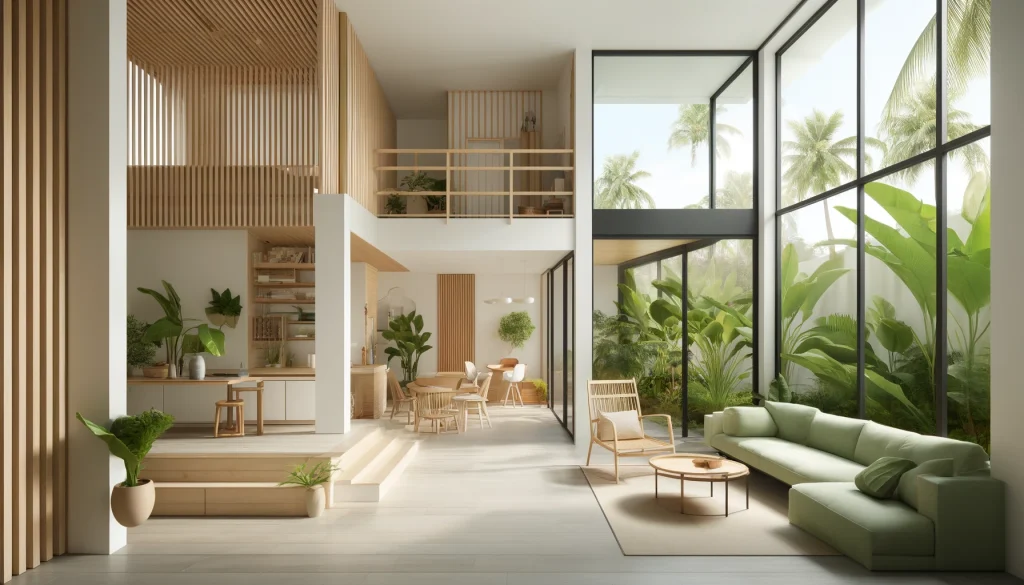
- Natural Light: Strategically placed windows and skylights are utilized to invite sunlight, enhancing the ambiance and reducing dependency on artificial lighting, which can lower energy costs.
- Functional Design: In minimalist structures, every element is thoughtfully designed to eliminate superfluous adornments, thereby achieving a clean, efficient aesthetic.
As we examine noteworthy projects, particularly from Nigeria, we can see how local architects are embracing and adapting minimalist principles to meet cultural and environmental contexts. For example:
- Eco-friendly materials: By using locally sourced resources such as bamboo and clay, architects reduce the ecological footprint associated with construction, contributing to sustainability efforts within the community.
- Cultural integration: Projects in Nigeria often incorporate traditional design motifs and materials into minimalist layouts, creating a harmonious blend that respects local heritage while embracing modernity.
- Modern conveniences: Innovations in technology have enabled architects to ensure that minimalist designs are equipped with energy-efficient appliances and smart home systems, providing functionality without compromising aesthetic appeal.
Highlighted in these explorations are remarkable structures that reflect the ingenuity of minimalist architecture within the Nigerian context. For instance, a residential space that utilizes an open floor plan allows natural breezes to circulate, thus maintaining cool temperatures during hot tropical weather. These designs not only illustrate how functional aesthetics can enhance comfort but also how they respond to specific climatic challenges faced in the region.
As minimalism continues to inspire architects and builders, it provokes a broader conversation about how design can contribute to a sustainable future. This journey into minimalist architecture reveals how profound choices in architecture shape our living environments and influence our daily lives. As we delve deeper into this fascinating field, we invite you to reflect on how these principles can transform not just our buildings but also our connection to the surrounding landscape.
ADDITIONAL INSIGHTS: Expand your understanding here
Enhancing Living Spaces Through Design
The quest for simplicity in architecture has propelled the movement of minimalist design to the forefront of contemporary building practices, particularly in regions like Nigeria. The art of functional aesthetics in architecture is not merely about reducing the excess; it is about creating environments that are as much a product of their surroundings as their intended purpose. This philosophy challenges architects and designers to create spaces where every aspect, no matter how small, contributes to a larger narrative of harmony and effectiveness.
At the heart of minimalist architecture are three crucial elements: space, light, and simplicity. Each element plays a vital role in enhancing the overall experience of the space for its inhabitants.
- Space: Minimalist architecture encourages the design of expansive environments that allow for versatility. Well-utilized square footage allows for multifunctional areas, adapting to daily life seamlessly. In urban centers of Nigeria, where space is a premium commodity, such designs can lead to significantly improved living conditions amidst the hustle and bustle of city life.
- Light: Natural light becomes an essential design feature, bringing warmth and vitality into spaces. Architects often utilize large windows and open designs that not only allow for effective natural illumination but also establish a connection with the outdoors. This element is especially pertinent in Nigeria’s diverse climates, where proper light management can significantly enhance comfort and energy efficiency.
- Simplicity: Stripping away non-essential elements is where minimalism truly shines. By focusing on functional beauty, architects are able to curate an aesthetic that celebrates the purity of materials and forms. The emphasis is on the intrinsic qualities of building components, such as texture and color, which, in Nigeria, may draw inspiration from local landscapes and traditions.
Architects like Bimpe Afolabi and Damilola Adeyemo have been pioneers in blending these principles into their works, notably through projects that serve both modern needs and cultural significance. For instance, one of Adeyemo’s recent projects involved the transformation of a traditional home into a minimalist design while preserving its historical essence. By integrating open spaces with unobstructed pathways, the design reflects not only modern aesthetics but also nurtures family interactions that are foundational in many Nigerian cultures.
Moreover, the connection between functional aesthetics and environmental sustainability cannot be overstated. As communities grapple with the challenges of climate change and resource depletion, architects in Nigeria have started prioritizing eco-friendly materials and energy-efficient systems. These choices not only support the minimalist mandate of reducing excess but also resonate with a growing public consciousness regarding sustainability.
This melding of modern minimalist principles with cultural identity showcases a growing recognition that architecture is not a standalone discipline; rather, it is an intertwined discipline that influences and is influenced by society. As we continue to explore innovative projects across Nigeria, the promise of functional aesthetics in minimalist architecture becomes increasingly apparent, revealing an approach that not only enhances the visual landscape but also enriches the quotidian experiences of its inhabitants.
In the world of minimalist architecture, the concept of functional aesthetics plays a pivotal role in transforming ordinary spaces into extraordinary environments. Through the thoughtful integration of space, light, and simplicity, architects are increasingly focusing on designs that prioritize functionality without compromising beauty. One of the most important factors in this architectural evolution is the emphasis on natural light. By leveraging large windows, skylights, and open layouts, minimalist structures invite an abundance of sunlight, creating a welcoming atmosphere that enhances the occupants’ wellbeing. This approach not only reduces reliance on artificial lighting but also fosters a deeper connection between the indoors and the outdoors, promoting a sense of tranquility and harmony with nature.The spatial organization in minimalist architecture further exemplifies the influence of functional aesthetics. By eliminating unnecessary partitions and furniture, architects maximize usable space, allowing for a fluid movement within and around structures. This simplicity enables users to focus on experiences rather than distractions, creating environments that support productivity, relaxation, and creativity. The beauty of minimalist design lies in its ability to make spaces feel larger and more open, encouraging a lifestyle that values clarity and organization.Moreover, projects that embrace functional aesthetics often utilize sustainable materials and energy-efficient technologies, reflecting a commitment to environmental responsibility. This not only enhances the aesthetic appeal of the structure but also contributes to a sustainable future. For instance, the use of locally-sourced materials and green building practices minimizes the carbon footprint of construction, exemplifying how beauty and functionality can coexist in harmony.As we delve deeper into the essence of minimalist architecture, it becomes evident that the seamless integration of space, light, and simplicity is not just about aesthetics; it’s about improving the quality of life for individuals and communities. These architectural principles challenge our perceptions and encourage us to rethink the way we interact with our environment, paving the way for innovative designs that stand the test of time.
CHECK OUT: Click here to explore more
Bridging Culture and Modernity in Design
The integration of functional aesthetics in minimalist architecture is not solely focused on the stark beauty of simplicity but is also about bridging the gap between cultural heritage and modern living. In Nigeria, architects are faced with the unique challenge of designing spaces that not only reflect contemporary needs but also resonate with the deep-rooted traditions and values of diverse communities. This convergence is evident in various projects that serve as a testament to a respectful dialogue between old and new.
One striking example is the recent work by architect Kunle Adeyemi, who has famously incorporated elements of vernacular architecture into minimalist frameworks. His design for the Makoko Floating School showcases how functional aesthetics can merge cultural sensitivity with innovative architectural solutions. By utilizing locally sourced materials and engaging community input, Adeyemi created a structure that addresses the pressing issues of climate change while celebrating the history and lifestyle of the Makoko fishing community. The floating school is not just a building; it is a representation of a community’s adaptability and resilience, anchoring minimalism to local identity.
Additionally, the role of color and texture in minimalist Nigerian architecture cannot be overlooked. The use of earth-toned colors and natural textures like mud, stone, and wood creates a harmonious interplay with the environment. This approach speaks volumes about how minimalist designs can achieve aesthetic depth while adhering to ecological principles. Projects such as the Design and Build Pavilion in Lagos utilize recycled materials to showcase local craftsmanship, emphasizing both sustainability and cultural pride. This practice highlights how minimalist architects can evoke a sense of place through the careful selection of materials that carry cultural significance.
Moreover, the concept of indoor-outdoor flow is increasingly prevalent in Nigerian minimalist architecture. With the favorable climate in many regions, architects are leveraging this natural advantage to create homes that blur the lines between inside and outside living. Large sliding doors, open-air spaces, and strategically placed courtyards contribute to the expansive feel of minimalist homes, inviting nature into daily life. The result is a design ethos that champions not only aesthetic appeal but also functionality and comfort, which are essential for a growing urban populace.
The influence of Nigerian culture on minimalist design is further amplified by incorporating traditional patterns and motifs into the fabric of modern structures. This fusion can be seen in projects like the Art House Lagos, where contemporary lines meet indigenous artistry. Here, the architecture doesn’t just serve a purpose; it tells a story, weaving cultural narratives into the minimalist fabric of the building. Such projects challenge the notion of minimalism being devoid of character, proving instead that simplicity can coexist with rich cultural identity.
In pursuing these intersections, architects are tasked with a dual responsibility: to honor their cultural heritage while also addressing the urgent demands of the modern world. As the influence of functional aesthetics in architecture continues to evolve, the outcomes of these thoughtful design processes promise to offer spaces that are visually striking, pragmatically sound, and deeply rooted in the narrative of the people who inhabit them. This relentless exploration of architecture not only enriches individual lives but also contributes to defining a collective architectural identity that is unique yet universally relatable.
CHECK OUT: Click here to explore more
Reimagining Spaces Through Functional Aesthetics
In conclusion, the exploration of functional aesthetics within minimalist architecture reveals a dynamic relationship between form and purpose, particularly in the context of Nigeria. As demonstrated through various innovative projects, architects are not merely designing buildings; they are curating experiences that resonate with the cultural fabric and environmental consciousness of their communities. The juxtaposition of space, light, and simplicity serves as a powerful narrative, highlighting how architecture can be a transformative force in urban settings.
The Makoko Floating School and the Design and Build Pavilion exemplify how architects can successfully intertwine local traditions with modern solutions, fostering a sense of place that honors cultural nuances while addressing contemporary challenges. The emphasis on sustainable materials, color, and texture contributes not only to the aesthetic appeal but also to the ecological integrity of these structures.
Furthermore, the seamless integration of indoor and outdoor elements reflects a deeper understanding of lifestyle preferences in Nigeria, catering to both the practical needs and aesthetic desires of its inhabitants. With spaces that invite nature inside, minimalist architecture becomes a dialogue between the built environment and the vibrant landscapes surrounding them.
As architects continue to push boundaries, the future of minimalist design in Nigeria promises to be rich with possibility, where functional aesthetics will shape not just the way spaces look, but how they are experienced. This ongoing journey encourages us to reflect on our architectural heritage while embracing modernity, ultimately leading to a built environment that is both beautiful and meaningful, fundamentally transforming the way we live and interact with the world around us.

Beatriz
Beatriz Johnson is a seasoned minimalist and writer with a passion for simplifying the complexities of personal organization and decluttering. With over a decade of experience in the field, she specializes in topics like minimalist living, efficient organization strategies, and creating intentional spaces. Through her work, Beatriz empowers readers to make mindful decisions about their belongings, streamline their lives, and embrace a more organized and fulfilling lifestyle.