The Connection between Functional Aesthetics and Mindfulness: Living Intentionally in Minimalist Environments
Understanding the Role of Aesthetics in Mindfulness Practices
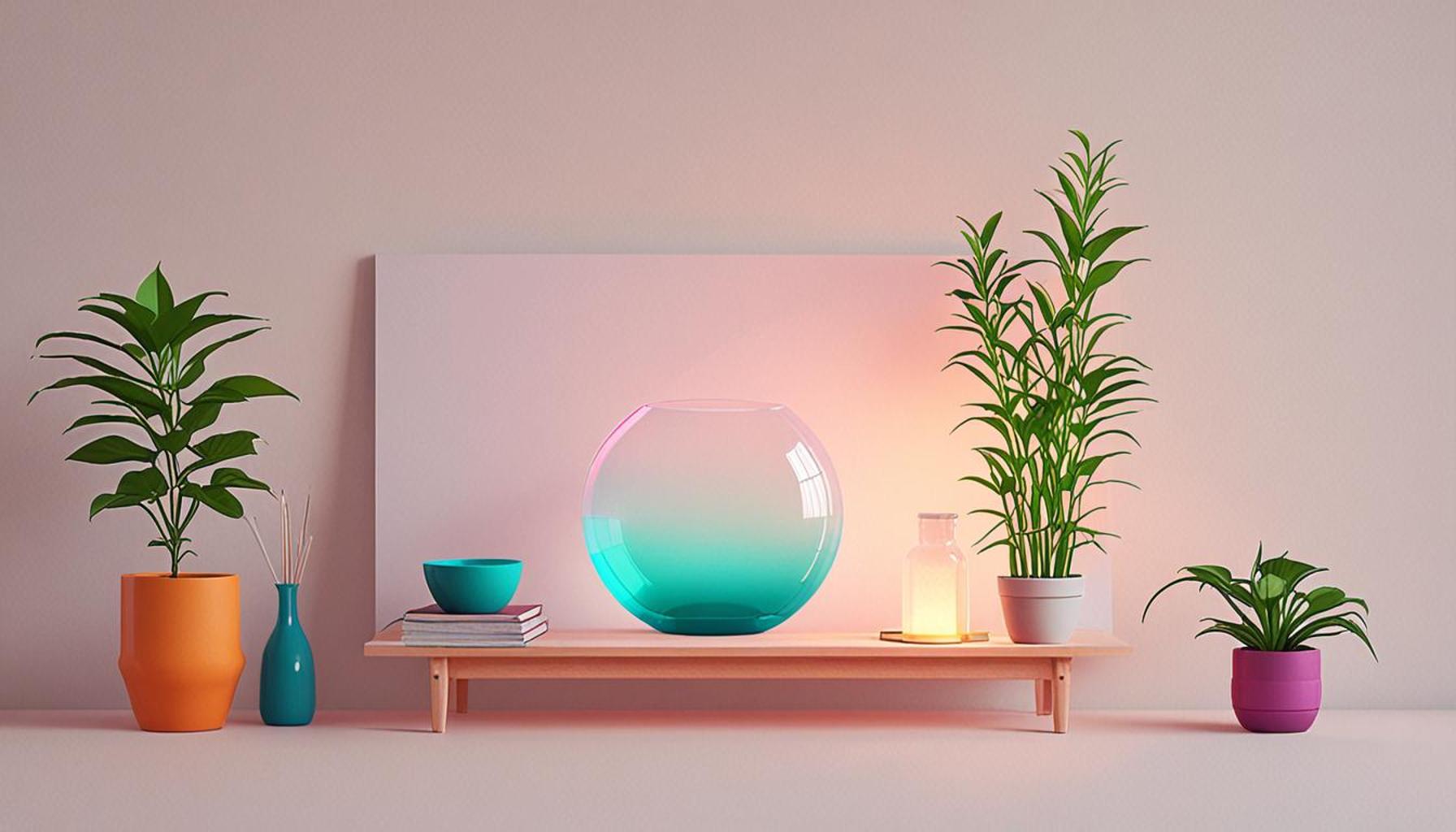
In an era characterized by rapid technological advancements and a relentless pace of life, the concept of mindfulness has surged to the forefront of discussions surrounding mental well-being. More individuals are now recognizing the significant impact that functional aesthetics within their living spaces can have on their daily experiences. This focus on aesthetics is not merely about creating a beautiful environment; it is also about fostering intentional living through minimalist environments.
Functional aesthetics encompass the thoughtful design of spaces that are both visually appealing and inherently practical. This design philosophy encourages individuals to prioritize their surroundings in a way that enhances both functionality and serenity. To encompass this concept effectively, here are a few key principles to consider:
- Simplicity: Utilizing clean lines and uncluttered surfaces can create a tranquil environment that promotes clarity and peace in one’s mind. For instance, a simple living room adorned with a few strategic decor elements can encourage relaxation after a long day.
- Purposefulness: Every item introduced into a minimalist space should serve a clear function, whether it is a piece of furniture or a decorative object. This deliberate selection helps eliminate distractions and keeps the focus on what truly matters.
- Quality Over Quantity: By opting for fewer, high-quality pieces that resonate on a personal level, individuals can cultivate a more satisfying and meaningful environment. An exquisite wooden chair or a handcrafted artisan lamp can do more for a space than a plethora of unremarkable trinkets.
In Nigeria, where the vibrant chaos of urban life often spills into every corner, embracing minimalist design philosophies can offer a much-needed sanctuary. Amid the noise of bustling markets and crowded streets, individuals can transform their homes into calming retreats by harnessing functional aesthetics. This transformation can:
- Reduce stress caused by cluttered environments, allowing for a more focused and tranquil state of mind.
- Create spaces that nurture creativity and concentration, whether for studying, working, or pursuing personal projects.
- Encourage a deeper connection with oneself and one’s surroundings, fostering a sense of peace and belonging in the home.
The exploration of functional aesthetics in conjunction with mindfulness practices indicates that a harmonious living space can influence overall well-being and satisfaction in life. By embracing the principles of minimalism, individuals are encouraged not just to rearrange their physical spaces but to transform their mental landscapes as well. This journey into minimalistic living invites us to examine how aesthetic choices can drive intentional living, shaping not only our environments but also our experiences and interactions in the world. Join us as we delve further into how such choices can enhance our journey towards mindfulness and a more fulfilling life.
SEE ALSO: Click here to read another article
The Intersection of Design and Intentional Living
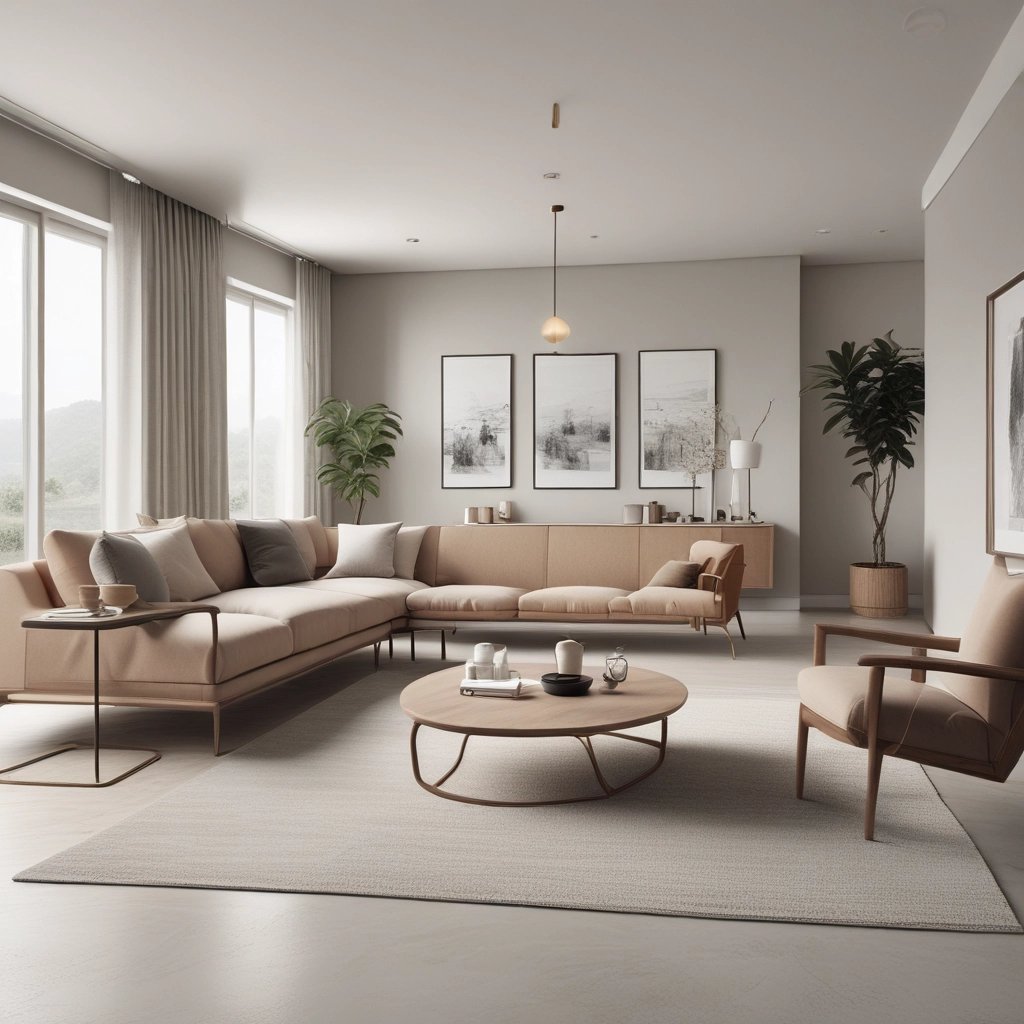
As we navigate through our fast-paced lives, the importance of our living environments cannot be overstated. The synergy between functional aesthetics and mindfulness encourages individuals to curate spaces that reflect their values and aspirations. The act of surrounding ourselves with thoughtfully designed elements is much more than just an appreciation of beauty; it is a powerful statement about how we choose to engage with the world around us.
In Nigeria, where cultural richness and traditional craftsmanship meet modern influences, the potential for integrating minimalism into everyday living is vast. Design choices can reflect personal narrative, enabling individuals to create a sanctuary that resonates with their core identity. Here are several elements to consider when exploring this connection:
- Natural Materials: Incorporating local fabrics, handmade pottery, or woven baskets can create a sense of harmony with the environment. These materials not only add to the aesthetics but also foster a deeper appreciation for the skill and effort behind them.
- Open Spaces: Emphasizing open floor plans facilitates a sense of freedom and movement. An uncluttered space allows for fluidity in daily rituals, whether it’s a morning meditation or a family meal, promoting a sense of connection and community.
- Mindful Decor: Instead of filling surfaces with numerous items, select a few pieces that spark joy or hold personal significance. This mindful approach encourages an emotional connection to the objects surrounding us, infusing our environment with meaning.
Moreover, the practice of embracing a minimalist lifestyle in urban Nigerian contexts is especially pertinent. As cities expand and populations grow, the psychological pressure of a clutter-filled life can be overwhelming. Transitioning to minimalist environments can significantly ease this pressure by:
- Enhancing focus and reducing distractions, which is crucial in bustling city life.
- Fostering emotional well-being by creating tranquil spaces that invite relaxation and reflection.
- Encouraging sustainability by prioritizing quality over quantity, thus reducing waste.
Understanding the relationship between functional aesthetics and mindfulness illuminates the profound impact our environment has on our mental states. By recognizing the potential within our surroundings, we can make informed choices that not only enhance our homes but also cultivate peace and intentionality in our lives. The journey toward minimalist living invites us to align our spaces with our inner selves, leading to a more fulfilling existence amidst the ongoing demands of modern society. As we continue, we will explore practical strategies for implementing these principles into daily routines, further bridging the gap between aesthetics and mindfulness.
| Advantage | Explanation |
|---|---|
| Enhanced Mental Clarity | Living in minimalist environments can significantly improve one’s focus and clarity, minimizing distractions and fostering a deeper appreciation for one’s surroundings. |
| Encouragement of Mindfulness Practices | The integration of functional aesthetics into daily life encourages individuals to engage in mindfulness practices, such as meditation and intentionality, enhancing emotional well-being. |
The connection between functional aesthetics and mindfulness emphasizes the importance of simplicity and intentionality in living spaces. When environments are designed with purpose, individuals can cultivate a greater sense of tranquility and purpose in their lives. This intentional approach not only enhances physical spaces but also promotes mental health, making it increasingly vital in our fast-paced, often chaotic modern world.
Acknowledging the surroundings and practicing mindfulness within these designed spaces allows for a deeper connection with oneself and the immediate environment. Whether it’s through decluttering or strategically choosing colors and materials, each element contributes to a more holistic lifestyle steeped in awareness and aesthetic harmony.
YOU MAY ALSO LIKE: Read read another article
Strategies for Cultivating Mindfulness in Minimalist Design
The transformative potential of functional aesthetics lies not just in the beauty of surroundings, but in how these environments foster mindfulness. As more Nigerians embrace the tenets of minimalism, it is vital to explore practical strategies for infusing our lives with intention. These methods allow individuals to tailor their surroundings to promote emotional balance and mental clarity.
One effective approach is to establish a daily decluttering ritual. Setting aside time each week to evaluate personal belongings can significantly contribute to a tranquil living space. This exercise is akin to a spiritual cleanse, enabling individuals to release items that no longer serve a purpose or hold sentimental value. In this way, the mind is decluttered alongside the environment, paving the way for clearer thinking.
Furthermore, integrating intention-setting into daily routines can turn mundane tasks into mindful practices. For instance, as Nigerians prepare meals, they can consciously select ingredients that nourish both body and soul. This creates a deeper connection to food while fostering appreciation for the resources available locally. Engaging in communal cooking or dining can also amplify this experience, transforming mealtime into a moment of connection rather than just sustenance.
- Mindful Breathing Spaces: Designating a corner of your home as a meditation spot can encourage regular mindfulness practice. A simple mat or cushion surrounded by plants can create an inviting atmosphere. This space becomes a sanctuary where individuals can disconnect from the chaos of daily life and reconnect with themselves.
- Soft Lighting: The choice of lighting plays a crucial role in setting the mood of any environment. Opting for softer, natural lights can reduce stress and promote relaxation. Utilizing lamps with adjustable brightness can also cater to different activities—from deep work sessions to unwinding with a good book.
- Artful Display of Memories: Instead of cluttering surfaces with numerous items, showcasing select photos or souvenirs can chronicle personal history in a visually appealing manner. Each piece can evoke memories and emotional connections, reminding individuals of significant experiences while avoiding overwhelming the senses.
Moreover, embracing the concept of nature-inspired design has profound implications for mental health and well-being. Integrating elements such as indoor plants or natural fabrics creates a feeling of being connected to the earth, which, in turn, enhances feelings of peace and stability. Research has shown that exposure to nature can lower stress levels and improve mood, making it a significant aspect of both aesthetics and mindfulness.
While the journey towards a minimalist lifestyle may seem daunting, it is often the simple practices that yield the most significant change. By intentionally curating our environments through functional aesthetics, individuals not only enhance their living spaces but also cultivate greater awareness in daily interactions. This nuanced approach fosters a lifestyle that embodies simplicity, intentionality, and mindfulness—creating not just homes, but sanctuaries that resonate with authenticity.
YOU MAY ALSO LIKE: Read read another article
Conclusion
In the quest for a more mindful existence, functional aesthetics emerges as a powerful ally, particularly in minimalist environments. By prioritizing intentionality in our surroundings, we can enhance not just the visual appeal of our spaces, but also cultivate a deeper sense of presence and well-being. As we navigate the complexities of modern life, embracing minimalism provides a refreshing antidote—encouraging us to eliminate distractions and focus on what truly matters.
Through practices such as decluttering, intention-setting, and creating designated mindful spaces, we can transform our homes into sanctuaries of peace and inspiration. Each choice made—from the soft lighting to the presence of nature-inspired elements—contributes to a holistic atmosphere that nourishes both body and mind. Furthermore, this intentionality can extend beyond our private spaces, igniting meaningful connections with family, friends, and the wider community.
As more Nigerians adopt minimalist principles, the combined power of functional aesthetics and mindfulness can lead to renewed clarity and emotional balance. It invites us to reflect on our personal values and fosters a lifestyle that is not merely about the absence of excess, but the presence of purpose. In doing so, we pave the way for a richer, more fulfilling existence—one that resonates with authenticity and intentionality in every aspect of our lives.
Ultimately, the journey toward a minimalist lifestyle is an invitation to explore the beauty of simplicity. With each mindful decision, we not only elevate our environments but also embark on a profound path toward greater awareness and connection—both within ourselves and with the world around us.

Beatriz
Beatriz Johnson is a seasoned minimalist and writer with a passion for simplifying the complexities of personal organization and decluttering. With over a decade of experience in the field, she specializes in topics like minimalist living, efficient organization strategies, and creating intentional spaces. Through her work, Beatriz empowers readers to make mindful decisions about their belongings, streamline their lives, and embrace a more organized and fulfilling lifestyle.