The Functional Aesthetics in the Minimalist Kitchen: Optimizing Spaces for Practicality and Style
The Importance of Design in the Kitchen
As the center of activity in many Nigerian homes, the kitchen holds a significant place not only for cooking but also for family bonding and socializing. Celebrated for its culinary richness, Nigerian cuisine often brings families together, making the kitchen an important space for gatherings. The concept of functional aesthetics plays a crucial role in enhancing this experience, allowing for both beauty and practicality to coexist harmoniously.
Achieving Practicality Through Design
To optimize a kitchen space effectively, one must consider various elements that enhance both the aesthetic appeal and the utility of the space. Adopting a minimalist kitchen approach can remarkably transform how one interacts with the culinary environment. Here are several considerations to keep in mind:
- Clutter-free surfaces: A clean and organized countertop can significantly enhance cooking efficiency and create a welcoming atmosphere. Utilizing vertical storage solutions such as wall shelves or cabinets can help keep counter spaces clear, allowing for easy movement while preparing dishes.
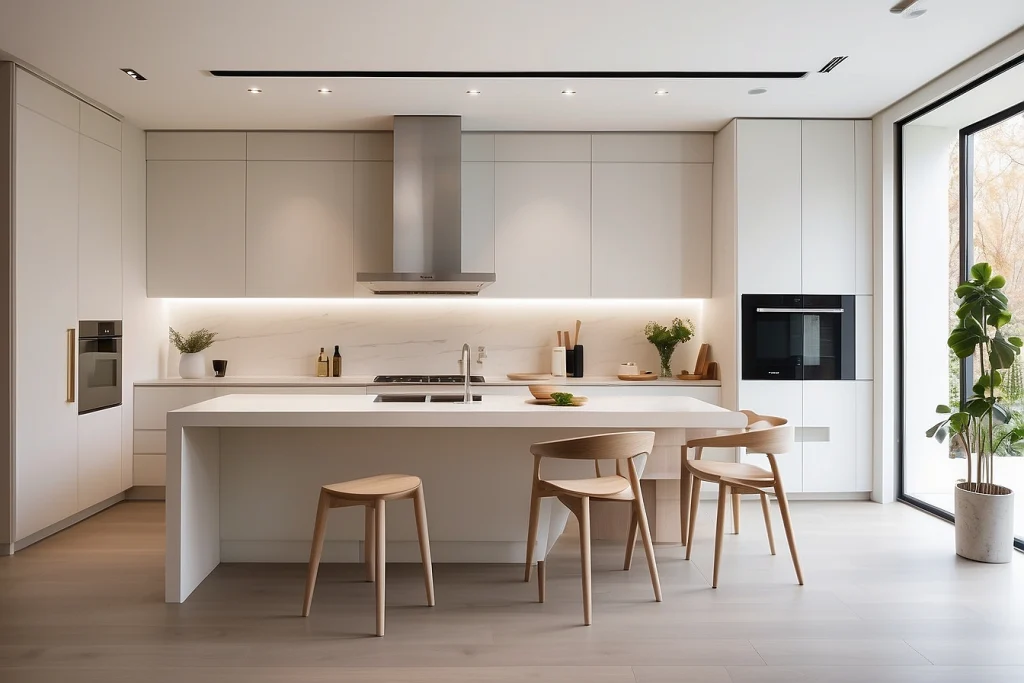
- Multi-purpose furniture: In many Nigerian homes, space can be a limiting factor. Incorporating furniture like a kitchen island that doubles as a preparation area and dining table can save precious square footage while providing functionality. Consider designs that have built-in storage to reduce the need for additional cabinets, further streamlining the space.
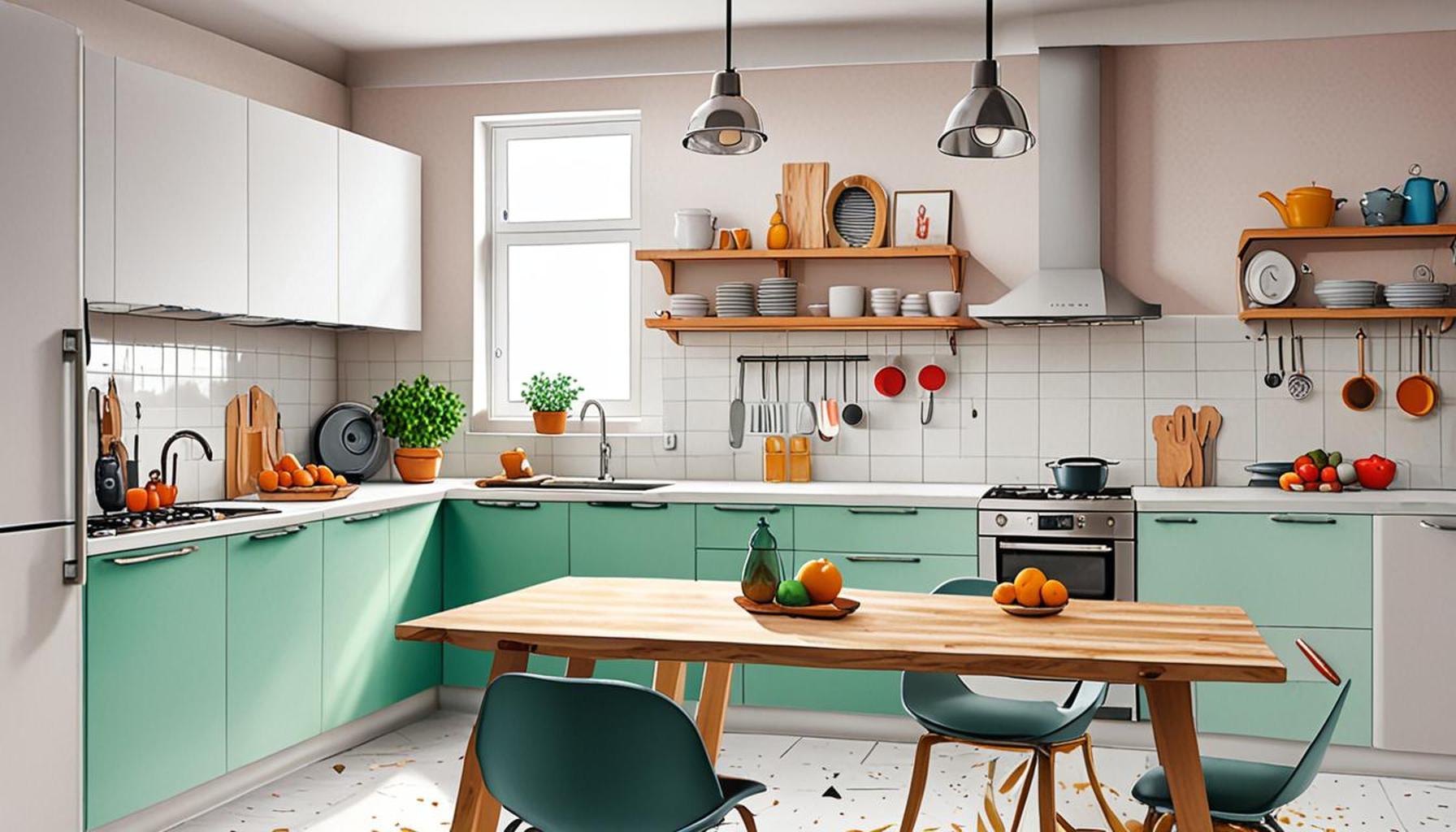
- Bold accessories: Minimalism doesn’t necessitate a lack of character. Carefully selected accessories, such as colorful ceramic dishes or striking light fixtures, can add personality without overwhelming simplicity. For instance, a beautifully crafted pot or handwoven basket can serve as both decorative elements and practical storage.
Embracing Nigerian Culinary Traditions
In Nigeria, where cooking often celebrates vibrant flavors and communal experiences, a minimalist kitchen can inspire not just creativity but also efficiency in meal preparation. The layout and color palette play pivotal roles in these kitchens. Bright, rich colors could be contrasted with neutral tones to embody traditional aesthetics while maintaining a modern feel.
Furthermore, integrating smart appliances that blend seamlessly into the design can enhance functionality. Imagine a sleek stovetop that complements dark granite countertops, offering both style and performance, or a refrigerator with energy-saving features that align with the family’s sustainability goals.
Conclusion: A Seamless Blend of Style and Utility
Exploring the realm of functional aesthetics in designing a minimalist kitchen reveals that achieving a balance between style and utility is not only possible but essential for contemporary living. As Nigerians continue to embrace modern design trends, they also cherish their culinary heritage. By creating a kitchen that is both aesthetically pleasing and highly practical, one can foster a space that not only meets the needs of daily life but also cultivates a rich cultural experience around food, family, and community.
Ultimately, a well-designed kitchen can become a space where memories are made and shared, emphasizing the importance of thoughtful design in reflecting both personal style and cultural identity.
SEE ALSO: Click here to read another article
Creating Efficiency with Minimalism
The marriage of functional aesthetics and a minimalist philosophy is not merely a design trend; it is a profound approach to maximizing kitchen spaces, especially in the context of Nigerian households. In a country where the kitchen often transforms into a bustling hub, the importance of designing an efficient environment cannot be overstated. By prioritizing functionality while maintaining an elegant simplicity, homeowners can revolutionize their culinary experiences.
Define Your Kitchen’s Purpose
Before diving into the design, it is essential to clearly define the kitchen’s purpose. For many Nigerian families, the kitchen serves as the heart of the home, a space for cooking, entertaining, and, importantly, sharing meals together. This multi-functional role lays the groundwork for a design that is both practical and visually appealing. Considerations for ergonomic layouts and efficient workflows should lead the way, helping streamline daily tasks while fostering a warm atmosphere.
Essential Elements of a Minimalist Kitchen
To optimize spaces for functionality and style within a minimalist kitchen, certain elements must be considered:
- Open Shelving: Utilizing open shelves can not only exhibit beautiful dishes and spices but also encourage accessibility. It’s a perfect blend of practicality and aesthetics, showcasing the vibrant colors of Nigerian ingredients while creating an airy feel within the kitchen.
- Integrated Storage Solutions: Opt for cabinetry that offers hidden compartments, pull-out drawers, or pantry-like solutions. This eliminates clutter while keeping everyday essentials within reach, ensuring that the kitchen remains tidy and functional.
- Neutral Color Palettes: A minimalist kitchen often benefits from a subdued color scheme that includes whites, greys, and earthy tones. These hues can create a soothing backdrop that highlights the vivid colors of cooking ingredients and decor, thus embracing both modern and traditional Nigerian aesthetics.
- Smart Technology: Consider incorporating smart appliances that offer cutting-edge technology while harmonizing with the minimalist design. For example, a smart cooker that integrates with your smartphone can make meal preparation more efficient, cutting down preparation time and effort.
As Nigerian culinary traditions often involve vibrant flavors and communal cooking, establishing an efficient kitchen layout that promotes fluidity is essential. The interplay between counterspaces and appliances should foster seamless movement, allowing family members to easily navigate the kitchen while sharing in the joy of creating delicious dishes.
Materials and Textures: A Delicate Balance
In the quest for functional aesthetics, the choice of materials can make a significant difference. Natural materials, such as wood and stone, can add warmth and character, grounding the minimalist design. The addition of textured elements—such as woven baskets for storing fruits and vegetables—can enrich the space without succumbing to clutter. These choices harmonize the practical elements of the kitchen with its inviting atmosphere, ensuring it is a space both mindful of daily needs and reflective of deep cultural roots.
Overall, the journey to optimizing a minimalist kitchen embodies not just a commitment to design but also an understanding of the role that functional aesthetics play in enhancing culinary experiences. By weaving practicality and style together, you create a kitchen that not only serves your immediate needs but also pays homage to the cultural significance of cooking and sharing meals in Nigerian homes.
| Category | Advantages |
|---|---|
| Space Efficiency | Maximizes available space, utilizing vertical storage solutions and multifunctional furniture. |
| Aesthetic Appeal | Minimalist design promotes clean lines and decluttered surfaces, enhancing the kitchen’s overall look. |
In the realm of minimalist kitchen design, optimizing spaces extends beyond mere functionality and dives into the essence of aesthetic appeal. When one focuses on space efficiency, they discover the power of vertical storage solutions, where shelves and cabinets rise to meet the ceiling, offering ample storage without encroaching upon valuable floor space. This method not only organizes but also minimizes clutter, allowing for seamless movement and interaction within the kitchen environment.Equally compelling is the aesthetic appeal that minimalism brings. The beauty of clean lines and a well-thought-out color palette creates a calming atmosphere, transforming the kitchen from a mere cooking space to a stylish backdrop for culinary creativity. When every element is intentionally chosen, it fosters a sense of harmony that can elevate daily routines into moments of joy.By combining these elements, one can achieve a kitchen that is not only practical but also a visual delight, inviting exploration and creativity in everyday cooking endeavors. The conversation around functional aesthetics continues to evolve, promising even more inventive solutions for today’s modern homes.
YOU MAY ALSO LIKE: Read read another article
Designing for Versatility and Community
The essence of a minimalist kitchen extends beyond individual aesthetics; it embraces the values of versatility and community, which resonate deeply within Nigerian culture. A well-designed kitchen can act as a social arena, where family and friends converge to share recipes, stories, and laughter. Therefore, the design must cater to collaborative cooking experiences while emphasizing the efficiency of space.
Flexible Work Zones
Creating distinct yet flexible work zones is crucial in a minimalist kitchen. For instance, a combined cooking and preparation area can facilitate a seamless interaction among family members. Consider incorporating an island that not only serves as a prep space but also functions as a communal dining spot. This island can be equipped with additional storage underneath, allowing you to keep utensils and ingredients neatly tucked away for an uncluttered look.
The importance of this setup cannot be overstated—Nigerian culinary customs often celebrate collective preparation and enjoyment of food. Providing an environment that encourages collaboration and conversation enhances the kitchen’s role as a gathering space. As families come together to prepare traditional dishes such as jollof rice or egusi soup, these flexible zones nurture a sense of community.
Natural Lighting and Ventilation
Effective use of natural lighting and ventilation further elevates the functionality of a minimalist kitchen. Large windows or sliding doors can draw in abundant sunlight, creating a vibrant and inviting atmosphere. Natural light has a unique ability to enhance the color of your ingredients—think of those rich, deep greens of fresh vegetables, or the fiery reds of ripe tomatoes—infusing your kitchen with energy and warmth.
Ventilation is of equal importance, especially in a country where cooking methods can sometimes produce smoke and odors. Integrating a powerful yet aesthetically pleasing exhaust hood or opting for open windows allows for air circulation, ensuring your kitchen remains fresh. This balance of light and air can transform the cooking experience, keeping the space comfortable and stylish.
Multifunctional Appliances
Embracing multifunctional appliances is key to maximizing space and minimizing clutter in a minimalist kitchen. Contemporary appliances that combine several functions—like a microwave-oven combination or an induction cooktop with integrated ventilation—free up countertop areas while enhancing cooking efficiency.
For Nigerian households, where meals may involve elaborate cooking methods, investing in appliances that save time and space is invaluable. Smart rice cookers, for instance, can prepare various grains with precision, freeing up time for additional meal prep or collaborative cooking activities. The thoughtful selection of such appliances dovetails with the minimalist kitchen philosophy, allowing for functionality without sacrificing style.
Cultural Touchpoints
Leveraging elements that reflect Nigerian heritage can enrich the minimalist kitchen experience. Consider showcasing locally crafted pottery or woven baskets as practical and decorative storage solutions. These items not only offer functionality but also serve as vibrant reminders of the cultural significance of food and cooking.
- Artistic Displays: Use a single wall or shelf to display local art, traditional textiles, or handcrafted utensils, creating a focal point while maintaining minimalism.
- Herb Gardens: Incorporate a small herb garden on a windowsill or cooking island to introduce freshness and a touch of nature, coupled with easy access to spices and flavors often used in Nigerian cooking.
By embracing these cultural touchpoints, the minimalist kitchen transforms into a canvas that celebrates the richness of Nigerian traditions while eco-consciously optimizing space.
In summary, the functional aesthetics of a minimalist kitchen can be deeply intertwined with the community-centric nature of Nigerian culinary practices. The design should promote versatile cooking experiences, allowing families to bond over shared tasks while stylishly accommodating their various needs. The journey of optimizing the kitchen embraces not just practicality but also an appreciation for the communal essence that food embodies in cultural contexts.
LEARN MORE: This related article may interest you
Embracing Minimalism: A Harmonious Blend of Function and Aesthetics
As we wrap up our exploration of the functional aesthetics in the minimalist kitchen, it becomes clear that this design philosophy is not merely a trend but an embodiment of practical and cultural values. The minimalist kitchen stands as a testament to the notion that beauty can harmonize with functionality, particularly in vibrant Nigerian homes where food often serves as a bridge between generations and fosters deeper connections.
By prioritizing versatile work zones, enhanced natural lighting, and multifunctional appliances, we can transform culinary spaces into efficient hubs of creativity and collaboration. This approach does not only enhance cooking efficiency but also enriches the communal experience integral to Nigerian cooking traditions. The inclusion of cultural touchpoints such as locally crafted utensils and herb gardens results in atmospheres steeped in heritage, allowing the culinary artistry of Nigerian dishes to shine within a modern context.
Ultimately, embracing a minimalist outlook in our kitchens encourages us to rethink our relationship with space, tradition, and modernity. The journey toward optimizing a kitchen aligns with a growing desire for agile living, marrying practicality with aesthetic appeal. As you innovate and refine your kitchen space, consider how each element serves both functional and aesthetic purposes—creating a loving environment where food, families, and friends can thrive together.
In a world that is ever-evolving, let us celebrate the minimalist kitchen as a reflection of our shared heritage, paving the way for shared moments and culinary adventures to come.

Beatriz
Beatriz Johnson is a seasoned minimalist and writer with a passion for simplifying the complexities of personal organization and decluttering. With over a decade of experience in the field, she specializes in topics like minimalist living, efficient organization strategies, and creating intentional spaces. Through her work, Beatriz empowers readers to make mindful decisions about their belongings, streamline their lives, and embrace a more organized and fulfilling lifestyle.