The Impact of Functional Aesthetics on Productivity and Well-Being in Minimalist Spaces
Understanding Minimalist Design
Our surroundings today are more than just the backdrop of our lives; they are vital contributors to our overall productivity and well-being. As urban spaces in Nigeria become increasingly congested, the minimalist design philosophy offers a refreshing approach to creating environments that promote a more focused and peaceful lifestyle. This style prioritizes simplicity, functionality, and aesthetic appeal, guiding individuals toward more fulfilling daily experiences.
The Power of Clutter Reduction
One of the foundational principles of minimalist design is clutter reduction. A clean, organized space can drastically minimize distractions that drain our mental resources. For instance, in a bustling city like Lagos, where external chaos reigns, a minimalist home offers a sanctuary. By limiting decorative items and opting for multifunctional furniture, inhabitants can devote their attention fully to essential tasks and activities. Research suggests that environments devoid of excess clutter are linked to enhanced focus and clarity, which is crucial for both students and professionals striving to meet demanding goals.
The Influence of Natural Elements
Integrating natural elements into minimalist spaces serves practical and psychological purposes. In Nigeria, where the climate is warm and sunny, maximizing natural light can not only reduce energy consumption but also improve mood and creativity. Plants, such as snake plants or pothos, not only purify the air but also create a vibrant ambiance. A recent study indicates that exposure to greenery can reduce stress levels and enhance mental well-being. In settings like coworking spaces in Abuja, features such as indoor gardens or large windows can significantly impact the atmosphere, encouraging artistry and collaboration amongst users.
Emotional Impact of Color Psychology
The role of color psychology in design is another critical aspect to consider. Colors like blue can evoke a sense of calmness and are often used in environments meant for concentration, such as studies and offices. Meanwhile, shades of yellow can stimulate creativity and optimism, making it a popular choice for artistic spaces. By carefully selecting a color palette in their homes or workplaces, Nigerians can harness these emotional triggers to create a suitable environment for various activities, whether it’s work, relaxation, or socialization.
Linking Functional Aesthetics to Well-being
Research indicates that spaces that adopt functional aesthetics yield significant benefits, particularly in the areas of emotional health and creativity. A well-designed environment typically helps individuals to navigate their daily routines with ease. For instance, a simplified workspace equipped with essential tools can enhance not only efficiency but also creativity, inspiring innovative thought. In places like coworking hubs in tech-startup hotspots, minimalist design fosters a culture where creative synergy thrives, leading to groundbreaking ideas.
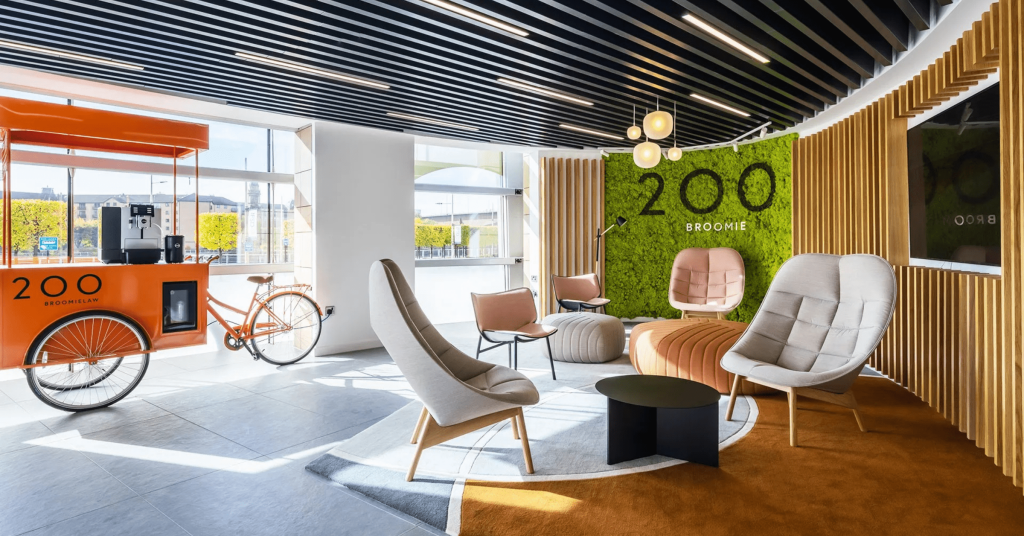
As the trend toward minimalist designs gains traction in Nigeria, individuals are beginning to see the transformative power of carefully curated environments. By thoughtfully integrating elements of functional aesthetics, they can build spaces that do not just fulfill a practical purpose but also enhance their overall quality of life, urging everyone to consider their surroundings as a critical contributor to their success and happiness.
SEE ALSO: Click here to read another article
The Role of Spatial Design in Enhancing Performance
In the pursuit of maximizing productivity and well-being, the spatial design within our environments plays a vital role. For many Nigerians, especially those living in metropolitan areas like Lagos and Abuja, the ability to create an environment that fosters focus and comfort is essential for personal and professional growth. Designing spaces with an emphasis on both function and aesthetics encourages individuals to interact positively with their surroundings, significantly impacting their overall performance and satisfaction.
The Benefits of Open Layouts
One significant aspect of minimalist design is the concept of open layouts. Unlike traditional closed-off offices or cramped living spaces, open plan designs promote fluidity and flexibility. Such layouts not only enhance communication and collaboration among coworkers but also create an inviting atmosphere that can stimulate creativity. In Nigeria, where collaboration can lead to innovative solutions and partnerships, open spaces in workplaces or community centers allow for easier knowledge sharing and brainstorming sessions.
Functional Furniture: The Key to Efficiency
Incorporating functional furniture is another hallmark of minimalist design that directly ties into productivity. Items designed to serve multiple purposes, such as a desk that transforms into a dining table or a sofa that converts into a bed, exemplify how functional aesthetics can optimize space. This versatility is particularly beneficial for urban dwellers, who often face limited living space. The careful selection of such furniture not only maximizes utility but also maintains visual appeal, making spaces comfortable yet efficient.
Mindfulness and Intentional Living
Minimalist environments promote a sense of mindfulness and intentional living by reducing the noise and visual clutter that often accompany more traditional designs. Users are encouraged to curate their belongings, keeping only what adds value to their lives. This practice can profoundly affect emotional well-being, alleviating feelings of overwhelm or stress. For example, in Nigerian homes, adopting minimalist principles can lead to a more peaceful atmosphere, where families gather without the distraction of excess possessions.
Creating Balance through Zoning
Strategically zoning spaces is another design technique that enables functionality while enhancing well-being. By delineating areas within a room for specific activities—such as work, relaxation, and social interaction—designers allow individuals to engage in tasks without the risk of overstimulation. In the context of Nigerian living spaces, having defined zones can not only improve productivity but also encourage family bonding and leisure time, essential for a balanced lifestyle.
Overall, the approach to functional aesthetics in minimalist design resonates with the needs of Nigerian citizens, emphasizing the critical relationship between our environments and our daily performance. As people begin to recognize the influence of well-thought-out spaces, it opens up a pathway toward a more fulfilling approach to both work and life. This shift encourages individuals to not just inhabit their surroundings but to thrive within them, elevating their professional pursuits and personal well-being alike.
The Role of Color and Light in Minimalist Design
In minimalist spaces, color and lighting play pivotal roles in shaping productivity and well-being. The use of neutral tones not only enhances the overall aesthetic but also promotes a calming environment. Research indicates that colors such as soft whites, greys, and pastels can reduce stress levels, which is essential for maintaining focus in high-pressure situations. For instance, the incorporation of natural light through large windows or well-placed skylights can further amplify the positive effects of a minimalist design. Studies show that exposure to natural light improves mood, increases energy, and has a direct correlation with higher productivity levels.
Decluttering for Mental Clarity
One of the fundamental principles of minimalist spaces is the art of decluttering. By removing unnecessary items, individuals can create a clear cognitive space that fosters self-discipline and enhances creativity. Research highlights that clutter can lead to increased stress and distraction, making it challenging to complete tasks effectively. In contrast, a well-organized environment helps individuals focus, making them more efficient in their daily activities. Moreover, the practice of maintaining a decluttered space not only contributes to physical organization but also promotes a sense of achievement and well-being.
Ergonomics and Functional Aesthetics
When discussing functional aesthetics, it is essential to consider ergonomics, particularly in workspaces within minimalist environments. Ergonomically designed furniture not only enhances comfort but also boosts productivity by reducing the risk of strain and injury. Minimalist design can incorporate sleek, adjustable desks and chairs that blend seamlessly with the aesthetic, ensuring functionality does not compromise style. Studies have shown that comfortable workspaces lead to improved focus and greater output. Therefore, merging aesthetics with ergonomics provides a dual benefit of visual appeal and enhanced work performance.
| Category 1 | Category 2 |
|---|---|
| Color Psychology | Neutral tones reduce stress and enhance calm. |
| Natural Light | Improves mood and energy, boosting productivity. |
| Decluttering | Facilitates mental clarity and enhances creativity. |
| Ergonomic Design | Reduces strain and improves work efficiency. |
Throughout these insights, it’s clear that the intersection of functional aesthetics and minimalism has profound implications for both productivity and well-being. In the quest for enhanced living and working environments, recognizing and implementing these principles can be transformative.
CHECK OUT: Click here to explore more
Personalization and Emotional Connection in Minimalist Environments
One of the fascinating aspects of functional aesthetics in minimalist spaces is the capacity for personalization. In a world that often feels overwhelming, having a living or working space that reflects one’s identity can significantly boost morale and motivation. Nigerian residents, particularly in cities with eclectic cultural influences, can incorporate personal touches such as art, textiles, or photographs into minimalist designs without compromising the overall ethos of simplicity. This emotional connection to one’s environment reinforces a sense of purpose and belonging, catalyzing productivity.
The Influence of Natural Elements
Biophilic design, which emphasizes the incorporation of natural elements within built environments, is another essential aspect of functional aesthetics. Studies have shown that elements such as indoor plants, natural light, and organic materials can enhance well-being and productivity. For instance, in busy Nigerian workplaces, introducing plants not only beautifies the space but also improves air quality and reduces stress levels. The warmth of natural wood or stone finishes can create a calming atmosphere that encourages individuals to engage meaningfully with their tasks.
Color Psychology and Its Effects on Work Performance
The strategic use of color is also pivotal in minimalist design, as different hues can evoke various emotions and behaviors. Soft, neutral tones often promote clarity and concentration, aligning well with the goals of productivity. Conversely, vibrant colors can energize a space, motivating teams to collaborate more actively. Exploring the cultural significance of colors in Nigeria, such as the calming effects of green or the invigorating nature of orange, can create unique aesthetics that resonate deeply with users, leading to upgraded performance in work-related settings.
Incorporating Technology for Enhanced Functionality
In today’s increasingly digital world, the integration of technology into minimalist spaces has become essential for maximizing efficiency. Smart home devices that manage lighting, temperature, or even sound can transform a minimalist environment into a harmonious and responsive oasis. For instance, utilizing mobile apps to control various functions ensures that users in Nigerian urban centers can create an ideal workspace, regardless of the time or conditions. These technological advancements not only streamline daily tasks but also promote a sense of ease and control over one’s environment.
Creating Flexible Workspaces
As the traditional work environments evolve, especially in Nigeria’s fast-paced urban landscapes, the demand for flexible workspaces has surged. Minimalist designs allow for multi-use areas that can adapt to accommodate individual preferences or collective needs. This flexibility can be particularly advantageous in co-working hubs or shared living arrangements where space and resources are often limited. By adding foldable desks, modular seating, or movable partitions, designers can empower occupants to customize their surroundings, ultimately enhancing productivity and reducing occupational stress.
The interplay of these elements—personalization, natural influences, color psychology, technology, and flexibility—illustrates how functional aesthetics in minimalist spaces contribute greatly to productivity and well-being. In Nigeria, as people lean towards embracing these principles, they open avenues for enriched experiences, better mental health, and improved work-related output. As the movement toward minimalism gains traction, the dialogue about how we curate our environments will only become more pronounced, encouraging thoughtful considerations in design choices.
LEARN MORE: This related article may interest you
Conclusion: Embracing Functional Aesthetics for Enhanced Productivity and Well-Being
As explored throughout this article, the impact of functional aesthetics on productivity and well-being in minimalist spaces is profound and multifaceted. By integrating principles of design that prioritize emotional connection, natural elements, and strategic use of color, individuals and organizations in Nigeria can foster environments that encourage focus and creativity. Furthermore, the incorporation of technology and the flexibility of spaces not only meets the demands of modern living but also enhances the overall user experience.
As urban life grows increasingly complex, the ethos of minimalism serves as a beacon of simplicity and clarity. In Nigeria’s dynamic cities, where distractions abound and stress levels can be high, creating personal and functional spaces is an essential strategy for enhancing mental health and productivity. We must recognize that our environments profoundly influence our thoughts and actions; thus thoughtful design choices become pivotal to well-being.
Ultimately, the journey toward achieving optimal productivity and well-being through functional aesthetics is a collective endeavor. It encourages individuals to thoughtfully curate their surroundings, while also challenging designers and architects to innovate in ways that consider both the psychological and environmental benefits of their work. As we continue to embrace minimalism and its core principles, we can redefine our spaces into sanctuaries of efficiency and tranquility, driving us toward our personal and professional goals.

Beatriz
Beatriz Johnson is a seasoned minimalist and writer with a passion for simplifying the complexities of personal organization and decluttering. With over a decade of experience in the field, she specializes in topics like minimalist living, efficient organization strategies, and creating intentional spaces. Through her work, Beatriz empowers readers to make mindful decisions about their belongings, streamline their lives, and embrace a more organized and fulfilling lifestyle.