The Functional Aesthetic in Minimalist Fashion: Dressing Simplicity with Style
The Shift Towards Minimalism in Fashion
As consumers grow increasingly aware of their impact on the environment, a growing number of people are turning to minimalist fashion as a sustainable and stylish alternative. This movement not only prioritizes personal style but also promotes a deeper connection to the clothing we choose to wear. In Nigeria, where fashion plays a significant role in cultural expression, minimalist fashion adapts to local influences while advocating for simplicity and intentionality in clothing choices.
Key Features of Minimalist Fashion
At its core, minimalist fashion embodies several essential principles that can redefine personal style:
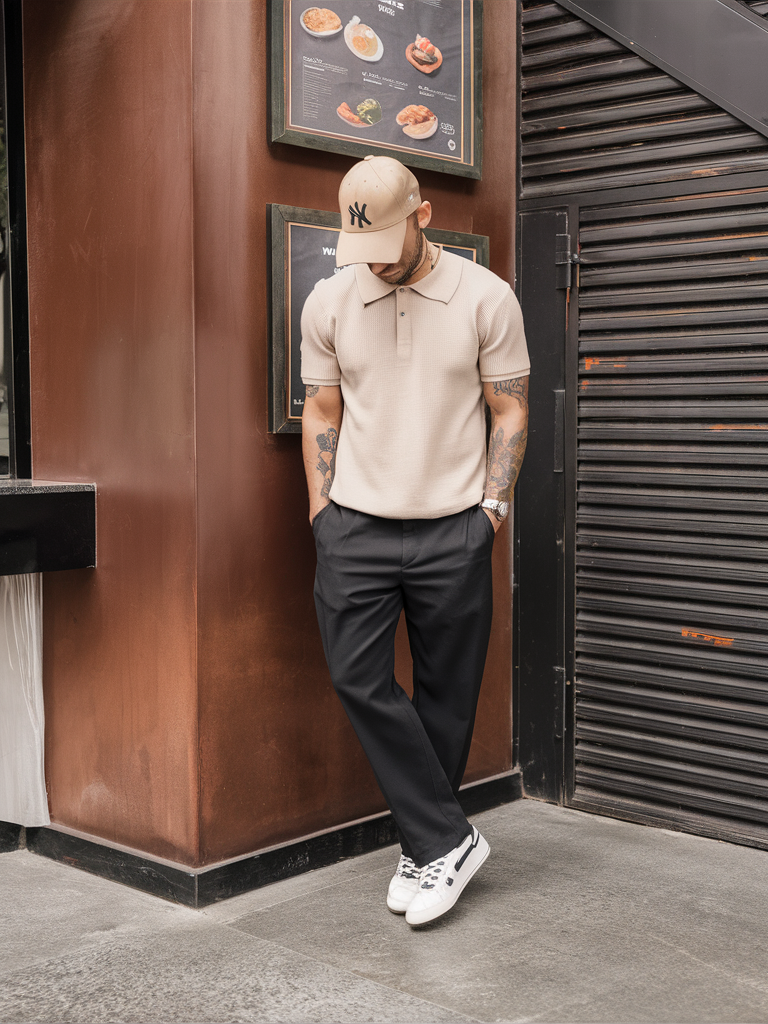
- Neutral Colors: The palette of minimalist fashion is generally dominated by shades such as whites, blacks, beiges, and earth tones. These colors create a timeless and elegant aesthetic. For instance, a classic white shirt paired with tailored black trousers can transition seamlessly from the office to an evening out, offering versatility while maintaining a chic look.
- Quality over Quantity: In a world filled with fast fashion, opting for fewer, high-quality items fosters sustainable practices. Brands like Ryn Studio from Nigeria embody this ethos, offering well-crafted pieces designed to withstand both time and trends. This approach encourages consumers to invest in items that not only look great but also have a lasting impact on their wardrobe.
- Versatile Designs: Minimalist clothing often features classic silhouettes that lend themselves to various styling options. For example, a simple shift dress can be worn on its own, layered with a denim jacket, or dressed up with statement accessories, showcasing the wearer’s creativity while simplifying their wardrobe choices.
For many, embracing minimalist fashion signals a broader commitment to sustainability and ethical consumerism. More Nigerians are seeking out brands that prioritize fair trade practices and eco-friendly materials, reflecting a growing awareness of fashion’s role in environmental degradation. This shift towards a more conscious wardrobe can be seen in the rising popularity of local artisans and brands that weave traditional Nigerian craftsmanship into minimalist designs.
As the focus shifts towards functional aesthetics, individuals find that dressing minimally not only aids in curating a streamlined closet but also allows for more expressive personal style. Each choice made within minimalist fashion carries significance, turning clothing into a story of values and intentions. This journey into minimalist fashion fosters not just personal satisfaction, but also a greater sense of community as consumers unite in supporting locally-made, conscious fashion in Nigeria.
CHECK OUT: Click here to explore more
Embracing the Functional Aesthetic
The functional aesthetic seamlessly blends practicality with style and has become a cornerstone of minimalist fashion. In an era where people prioritize both form and function, minimalist fashion channels this ideology by offering clothing that is not only visually appealing but also designed with real-life functionality in mind. This resonates particularly well within the Nigerian context, where the need for adaptable clothing is prevalent in both urban and rural settings.
Adaptability and Functionality in Design
One of the defining aspects of minimalist fashion is its adaptability. Each piece is thoughtfully designed to serve multiple purposes, making it a smart investment for those seeking to reduce clutter while still maintaining individual expression. Here are a few ways that the functional aesthetic is exemplified in minimalist clothing:
- Layering Possibilities: Minimalist pieces are often designed to be layered, allowing for diverse styling options across different seasons. A simple, breathable linen shirt can transition from a workday to a weekend outing with ease, reflecting Nigeria’s warm climate while adapting to the various occasions in a busy lifestyle.
- Multi-Functional Outfits: Clothing that serves more than one purpose is becoming increasingly popular among conscious consumers. Consider a well-cut pair of trousers that allows for a formal look when paired with a blazer or a casual vibe when worn with a relaxed tee. This brilliance of adaptable pieces encourages Nigerian fashion enthusiasts to break free from restrictive trends while embracing their unique styles.
- Comfort Meets Modern Aesthetics: The minimalist fashion movement emphasizes comfort without compromising on style. Fabrics such as organic cotton and sustainable blends are favored for their breathable qualities, further highlighting a commitment to practicality. This is particularly appealing in Nigeria, where the climate leaves little room for discomfort, making breathable, stylish clothing essential.
Moreover, the rise of local designers in Nigeria has paved the way for a distinctive take on minimalist fashion. By incorporating traditional styles and artisanal techniques with a modern twist, these brands demonstrate how the functional aesthetic can celebrate cultural heritage. Pieces with unique Nigerian patterns but simple cuts show that minimalism does not have to sacrifice identity or artistry. This approach also supports local economies and reduces the carbon footprint associated with international shipping by promoting homegrown craftsmanship.
As more people embrace this approach to dressing, the focus shifts from superficial trends to a deeper appreciation for quality, functionality, and aesthetic value. In doing so, Nigerian consumers are not only curating their wardrobes for personal style but also making conscious choices that reflect their values and lifestyles. As these principles gain traction, the minimalist fashion movement is set to evolve, encouraging a broader conversation about sustainability, culture, and identity in the world of fashion.
| Advantage | Description |
|---|---|
| Sustainability | Minimalist fashion promotes sustainable practices by reducing waste and encouraging timeless pieces. |
| Versatility | With a focus on essential shapes and neutral colors, minimalist outfits can easily be mixed and matched for various occasions. |
| Elegance | Minimalist fashion embodies an understated elegance, making a strong style statement without overwhelming visuals. |
| Clarity | This aesthetic promotes clear, simple lines that define the silhouette and enhance the wearer’s natural beauty. |
As minimalist fashion evolves, it captures the attention of style enthusiasts who are increasingly aware of their environmental impact. The focus on sustainability within this aesthetic not only supports the planet but also fosters innovation in fabric technology and production methods. Similarly, the versatility of minimalism allows individuals to invest in fewer pieces without compromising style, as each garment offers endless outfit potential. In this way, “The Functional Aesthetic in Minimalist Fashion” doesn’t just represent a clothing choice; it signifies a lifestyle that values clarity, quality, and consciousness in dressing. The elegance of simplicity becomes both a personal expression and a broader statement on the nature of modern fashion itself, encouraging deeper exploration and engagement with the minimalist paradigm.
LEARN MORE: This related article may interest you
Quality Over Quantity
In the realm of minimalist fashion, the adage of quality over quantity reigns supreme. As consumers increasingly seek sustainable choices, the focus on purchasing fewer, high-quality garments becomes essential. This shift is especially resonant in Nigeria, where rapidly evolving trends often lead to excessive consumption and waste. By choosing timeless pieces crafted from durable materials, fashion enthusiasts not only invest in their wardrobes but also contribute to a more sustainable future.
Emphasis on Craftsmanship
The rise of the functional aesthetic in minimalist fashion has given a resurgence to traditional craftsmanship and artisanal skills. In Nigeria, local artisans are reviving age-old techniques, blending them with modern design elements. This approach not only enhances the quality of fashion pieces but also fosters a sense of authenticity and connection to cultural roots. For example, the use of handwoven fabrics, sourced from local communities, has gained popularity among designers aiming to create eco-friendly yet stylish collections.
Moreover, the meticulous attention given to tailoring and finishing details in minimalist designs signifies a shift towards appreciating craftsmanship. Consumers are beginning to recognize that a well-constructed piece can outlast trends and serve multiple purposes over time. Investing in such pieces ensures that they will not only fulfill functional needs but also provide an enduring style that can evolve with the wearer.
Investment in Timeless Styles
The functional aesthetic promotes the importance of investing in timeless styles. For instance, a classic white shirt or a pair of tailored black trousers can be styled in various ways, making them staples in any wardrobe. In Nigeria’s fast-paced urban environment, where the lines between casual and professional attire often blur, owning versatile pieces that can be dressed up or down becomes invaluable.
Additionally, embracing timeless designs helps combat the cycle of fast fashion. By choosing styles that withstand the test of time, consumers are expressing their intent to move away from fleeting trends toward more sustainable practices. This conscious decision not only represents an ethical stance but also allows for greater financial prudence—wearing fewer, better-made garments can result in long-term savings.
Integration of Tech and Innovation
The advancement of technology has played a significant role in shaping the future of minimalist fashion. As designers increasingly integrate technology into their creations, pieces are evolving to include multifunctional features such as moisture-wicking fabrics or clothing that adapts to body temperature. This innovation aligns perfectly with the functional aesthetic, allowing pieces to serve specific needs while enhancing the overall wearing experience.
In Nigeria, where daily life often involves navigating various environments, clothing that seamlessly transitions between indoor and outdoor settings is particularly relevant. Items such as lightweight jackets that provide protection against unpredictable weather or versatile dresses that can be dressed up for events while remaining comfortable during the day are becoming essential components of a minimalist wardrobe.
This intersection of fashion, culture, and technology invites consumers to rethink their wardrobe investments while encouraging them to engage with their clothing on a deeper level. With a mindful approach to dressing that emphasizes a functional aesthetic, individuals are empowered to curate their personal styles without compromising on values or practicality. As the minimalist fashion movement continues to flourish, the evolving narrative surrounding style, sustainability, and individual expression will undoubtedly play an essential role in shaping the future of fashion in Nigeria and beyond.
RECOMMENDED: Check out this similar article
Conclusion: A New Era of Fashion
As we navigate the evolving landscape of fashion, the concept of the functional aesthetic emerges as a powerful beacon guiding consumers toward a more thoughtful and sustainable approach to dressing. In Nigeria, where rapid urbanization and cultural evolution are ever-present, minimalist fashion offers a refreshing antidote to the pitfalls of fast fashion. By prioritizing quality over quantity, embracing traditional craftsmanship, and integrating technological advancements, individuals can curate wardrobes that are not only stylish but also meaningful.
Moreover, the emphasis on timeless styles aligns seamlessly with the practical needs of modern life, allowing for versatility across various settings—from casual outings to professional engagements. The shift towards conscious consumption, marked by a preference for fewer but better-made items, resonates deeply within Nigerian society, encouraging a collective move towards sustainability and ethical practices. As artisanship gains appreciation, the rich cultural heritage of Nigeria continues to influence fashion, creating a unique blend of tradition and innovation.
In conclusion, embracing the functional aesthetic in minimalist fashion is more than just a trend; it is a statement that celebrates individuality, functionality, and sustainability. As brands and consumers alike become increasingly aware of their choices, the journey towards a more responsible fashion future begins. Discovering the balance between simplicity and style not only enhances personal expression but also contributes to a broader movement that prioritizes the planet and our shared values. The evolution of fashion into this new era is not just an opportunity for change—it is an invitation for all to participate in a more thoughtful wardrobe revolution.

Beatriz
Beatriz Johnson is a seasoned minimalist and writer with a passion for simplifying the complexities of personal organization and decluttering. With over a decade of experience in the field, she specializes in topics like minimalist living, efficient organization strategies, and creating intentional spaces. Through her work, Beatriz empowers readers to make mindful decisions about their belongings, streamline their lives, and embrace a more organized and fulfilling lifestyle.