Functional Aesthetics in the Organization of Minimalist Offices: Creating Spaces that Stimulate Creativity and Concentration
The Impact of Workspace Design on Productivity
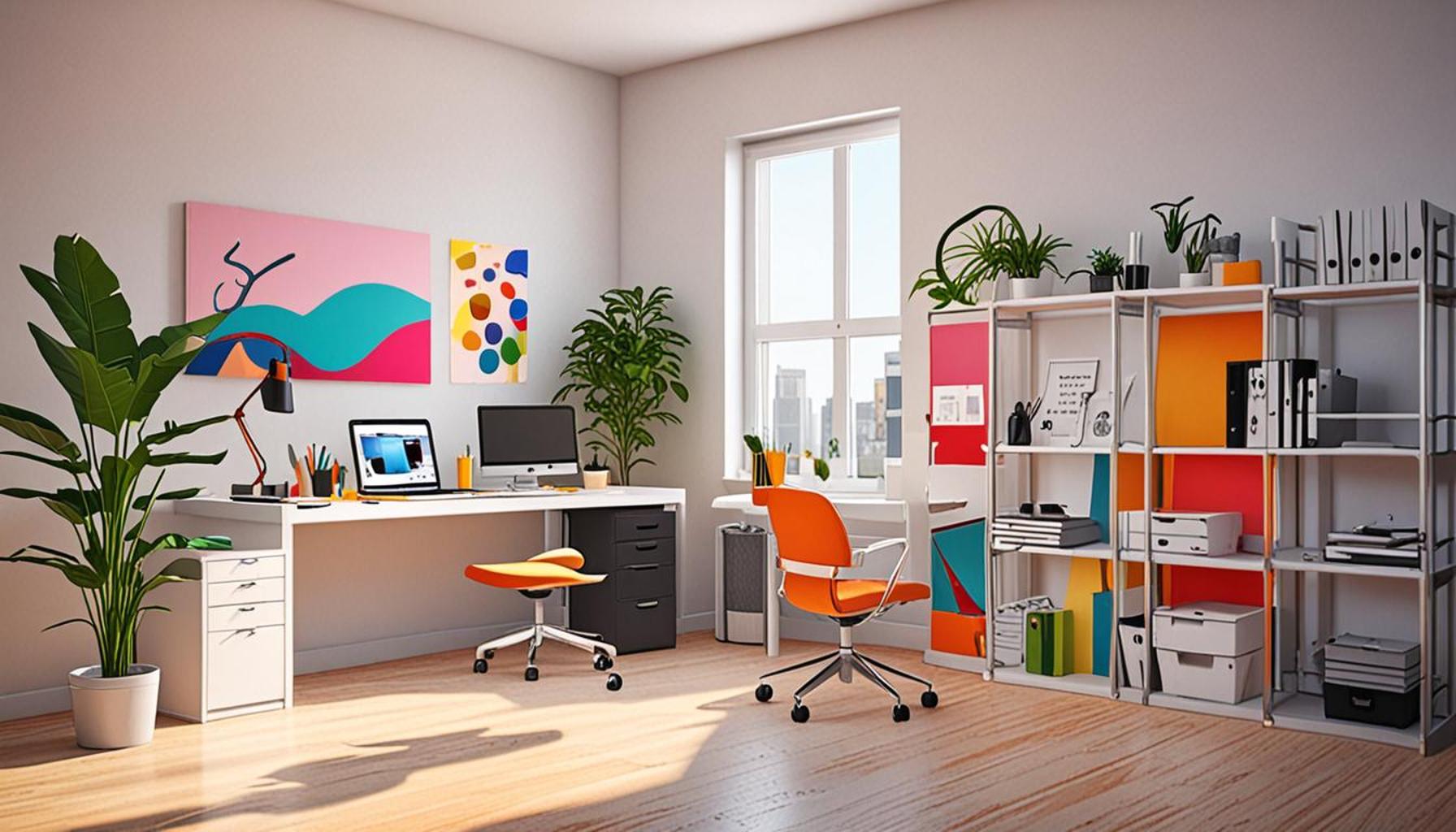
In today’s fast-paced world, the way we organize our offices significantly impacts our productivity. The concept of functional aesthetics has emerged as a leading trend, particularly in minimalist office designs. This approach focuses on crafting environments that not only appeal visually but also enhance concentration and foster creativity.
Understanding Minimalism in the Workplace
Minimalism is a philosophy that champions the elimination of clutter, which can be a significant barrier to focus. In many workplaces, excessive decorations and disorganized desks can distract employees from their core tasks. By adopting a minimalist approach, organizations can create an environment that promotes clarity and calmness. For instance, a law firm in Lagos has successfully transformed its office by reducing unnecessary furniture and opting for sleek, multi-functional desks, resulting in a more organized and focused workplace.
Forging Creative Spaces
Another critical aspect is the creation of creative spaces. These spaces are infused with elements that inspire innovation and collaboration among team members. For example, incorporating breakout areas with comfortable seating arrangements encourages informal discussions that can lead to creative breakthroughs. Companies like Andela, a tech talent company, have adopted this philosophy by designing flexible meeting rooms adorned with brainstorming tools, such as whiteboards and interactive screens, easing the flow of ideas.
The Role of Ergonomics
Ergonomics plays an essential role in workspace design, ensuring employees are comfortable, which in turn sustains productivity. Organizations can invest in ergonomic chairs and desks that cater to various body types, helping reduce strain and discomfort. There’s growing recognition in markets like Nigeria where firms acknowledge that a properly designed workspace can significantly reduce sick days attributed to poor work conditions.
Emphasizing Natural Elements
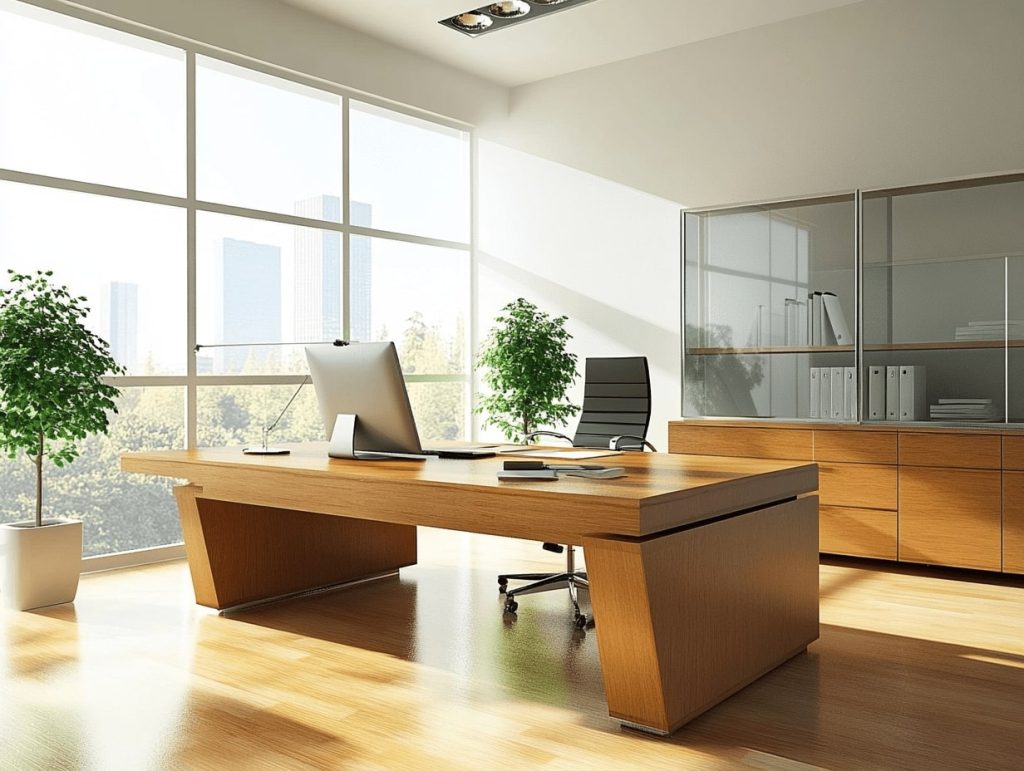
Moreover, features such as natural light are essential for improving mood and concentration. Research shows that employees who work in well-lit environments are generally more productive and experience less eye strain. A company in Abuja implemented large windows that flood the office with natural light, drastically improving the mental well-being of its staff. This investment in natural elements not only aids in productivity but also aligns office design with the health benefits of daylight exposure.
Color Schemes and Flexible Furniture
The choice of color schemes also affects productivity; hues like blues and greens have been found to promote calmness and focus. Companies such as Nestle Nigeria have experimented with vibrant colors in certain areas to energize their workforce. Lastly, flexible furniture allows for adaptable layouts that support various tasks, from collaborative projects to individual work. A startup incubator in Enugu has created a workspace that can easily transform to accommodate workshops or quiet study sessions, reflecting the dynamic needs of modern employees.
By implementing functional aesthetics in their offices, businesses can respond effectively to the unique challenges of the contemporary work environment. The evolving notion of workspace design is not merely about creating a visually appealing atmosphere—it’s about constructing a foundation for productivity. As organizations in Nigeria continue to explore these ideas, the possibilities for enhanced workspace functionality are truly limitless, paving the way for a thriving corporate culture.
ADDITIONAL INSIGHTS: Expand your understanding here
Creating an Engaging Minimalist Environment
The implementation of functional aesthetics in office design not only enhances visual appeal but also plays a crucial role in fostering creativity and concentration. By embracing a minimalist ideology, companies in Nigeria are beginning to recognize the importance of a thoughtfully curated workspace that aligns with the core objectives of modern businesses. The focus is on simplifying elements while simultaneously maximizing functionality, which enables employees to thrive in their roles.
Design Principles for Minimalist Offices
Several design principles underpin the concept of minimalist office layouts. They include:
- Decluttering: Essential to the minimalist approach is the elimination of unnecessary items. This not only improves the aesthetic feel of the workspace but also alleviates distractions that hinder focus.
- Multi-functionality: Employing furniture that serves multiple purposes allows organizations to maximize their available space while ensuring that each piece serves a function that enhances productivity.
- Intentional Lighting: Natural and artificial lighting plays a fundamental role in the overall atmosphere of the office. Strategically placed lights and windows should be incorporated to combat fatigue and reinforce concentration.
- Open Floor Plans: Considered the backbone of minimalist design, open spaces facilitate collaboration and communication among teams, breaking down barriers that can stifle creativity.
The Intersection of Technology and Minimalism
As Nigeria’s tech industry flourishes, integrating technology within minimalist office designs has become increasingly important. Smart devices and software applications, when used judiciously, can complement the minimalist ethos while enhancing functionality. This synergy allows companies to create workspaces that adapt to the diverse needs of employees. For instance, tech firms can leverage cloud-based tools to streamline communication and project management, eliminating the need for excess paperwork and promoting a cleaner, more organized environment.
Inspiring Creativity through Collaboration
One of the primary advantages of minimalist office designs is their ability to facilitate collaboration among employees. When workspaces are designed to foster interaction, team members can share ideas more freely, which often leads to unexpected insights and innovative solutions. Organizations such as Co-Creation Hub (CcHub) in Lagos exemplify this practice through open spaces that encourage brainstorming and teamwork.
In addition, using areas specifically tailored for group work—such as informal lounges equipped with comfortable seating—can provide employees with the necessary environment to exchange ideas without formality. This not only cultivates a sense of community within the organization but also aligns with the holistic nature of functional aesthetics.
Conclusion and Step Forward
Adopting a minimalist approach in workspace design is not simply a trend; it’s an evolving strategy that meets the growing demands of contemporary work environments. As companies in Nigeria explore this avenue, they will find that creating spaces that stimulate creativity and concentration through functional aesthetics will lead to enhanced innovation and productivity. With the right balance of design elements, organizations can build a foundation that supports a vibrant corporate culture, crucial for navigating the challenges of a competitive market.
| Advantages | Key Features |
|---|---|
| Enhanced Creativity | Minimalist designs eliminate distractions, allowing individuals to focus on creative processes without clutter. |
| Improved Focus and Concentration | Functional aesthetics promote an organized environment, showcasing essential elements that aid in maintaining attention on tasks. |
| Flexibility in Space Utilization | Minimalist offices often feature adaptable furniture, allowing spaces to be reconfigured to suit different working styles. |
In this vibrant discussion around Functional Aesthetics in modern workplaces, the significance of creating environments that inspire creativity and concentration is paramount. Innovative designs emphasize the importance of a clutter-free workspace, which not only aids in mental clarity but also enhances an individual’s ability to brainstorm and implement ideas seamlessly. Furthermore, the intuitive flow within a minimalist office layout encourages collaboration while maintaining personal space, striking a balance that facilitates both focus and interaction. The strategic use of light, color, and materials plays a critical role in elevating mood and productivity, reinforcing the idea that aesthetic choices can significantly impact emotional wellbeing.Exploring the integration of nature through biophilic design elements can also yield substantial benefits in terms of providing a calming atmosphere conducive to higher levels of focus and creativity. Such elements, including plant life and natural light, are known to foster a connection with the environment, enhancing overall workplace satisfaction.Investing in a workspace that embodies functional aesthetics is not merely a trend; it is a foundational aspect of cultivating innovative thought and sustained productivity. By understanding these principles, organizations can create environments that not only meet the needs of their employees but also aim for unparalleled success in today’s competitive landscape.
CHECK OUT: Click here to explore more
The Role of Biophilic Design in Minimalist Offices
Integrating nature into office spaces through biophilic design is a prominent trend in creating minimalist environments that stimulate creativity and concentration. This design philosophy emphasizes the connection between employees and nature, which has been shown to enhance mental well-being and productivity. By incorporating natural elements such as plants, natural light, and organic materials, organizations can promote a harmonious atmosphere that facilitates innovation. For instance, featuring indoor gardens or green walls within minimalist designs not only purifies the air but also serves as a calming focal point that helps reduce stress among employees.
The Benefits of Natural Elements
The presence of greenery in the workplace has numerous benefits, particularly in fostering creativity and focus. Studies have demonstrated that employees who work in environments enriched with plants report increased job satisfaction and more positive feelings towards their tasks. In Nigeria, companies like Interswitch have adopted biophilic design elements in their offices, successfully creating a soothing ambiance that allows employees to recharge mentally while encouraging collaborative brainstorming sessions. Simple changes, such as adding potted plants or utilizing natural wood finishes in furniture, can significantly transform a workspace into an oasis of inspiration.
Sound and Acoustic Considerations
In addition to visual stimulation, sound plays a crucial role in the functionality of minimalist office spaces. Noise distractions can hinder concentration and stifle creativity, making it vital for organizations to consider acoustic design. By using sound-absorbing materials in walls, ceilings, and even furniture, companies can create a tranquil atmosphere. This strategy has become particularly relevant as the prevalence of remote working and shared spaces increases in Nigeria.
The implementation of white noise machines, quiet zones, or designated silence areas can also support focused work without interruptions. Designing spaces that buffer noise ensures that creativity is not drowned out by chaotic office sounds, allowing employees to concentrate deeply on their tasks. Companies such as Andela have recognized the significance of acoustic principles within their minimalist office layouts, resulting in environments where teams can collaborate freely while being able to focus deeply when needed.
Personalization within Minimalism
While minimalist design promotes simplicity, it should not compromise personal expression. Allowing employees to add personal touches to their workspaces—through art displays, personal photos, or favorite mementos—can enhance emotional connections to the space. This personalization fosters a sense of belonging and ownership, which ultimately feeds into the creativity and productivity that businesses seek to ignite.
In Nigerian offices, encouraging employees to customize their workstations can create a vibrant and engaging atmosphere that balances the principles of minimalism with individual creativity. Design elements such as modular walls or movable partitions can also enable employees to curate their environment according to their needs, reinforcing the notion of a flexible and personalized workspace.
Investing in Ergonomics
Ergonomic design is an often-overlooked aspect of minimalist office spaces that significantly impacts employee well-being and performance. Investing in ergonomic furniture and equipment can alleviate physical strain, allowing employees to focus better on their work. Adjustable desks, supportive chairs, and proper computer setup encourage healthy posture and movement, thus promoting a conducive environment for creativity.
Organizations such as Flourish Africa are leading the way in Nigeria by prioritizing ergonomic assessments and interventions, ensuring that their office designs not only reflect minimalism but also cater to the physical comfort of employees. By focusing on ergonomics as part of functional aesthetics, these organizations are pioneers in cultivating workplaces that stimulate both creativity and concentration in their teams.
LEARN MORE: This related article may interest you
Conclusion: The Future of Workspaces
In summary, the principles of functional aesthetics in minimalist office design are reshaping the way we view workplace environments. By focusing on elements such as biophilic design, acoustic considerations, and personalization within minimalism, organizations can create spaces that don’t merely accommodate employees but actively foster creativity and concentration. The integration of natural elements not only enhances the aesthetic appeal of the workspace but also serves to improve employees’ well-being and productivity.
As companies in Nigeria, like Flourish Africa and Interswitch, show, prioritizing ergonomics alongside simplicity and functionality encourages a culture that values both individual expression and collective innovation. Remember, minimalism does not equate to sterility; instead, it provides a canvas where creativity can flourish, and focus can be sharpened. The strategic incorporation of sound-absorbing materials and personalized touches reflects a progressive approach to office design that recognizes the diverse needs of the workforce.
Ultimately, organizations that adopt these principles are not just creating better workspaces; they are investing in the future of work, paving the way for environments that inspire and empower every employee to reach their full potential. As businesses continue to navigate the evolving landscape of work, embracing functional aesthetics is not merely an option but a vital component to ensuring that workplaces remain relevant, engaging, and conducive to innovation.

Beatriz
Beatriz Johnson is a seasoned minimalist and writer with a passion for simplifying the complexities of personal organization and decluttering. With over a decade of experience in the field, she specializes in topics like minimalist living, efficient organization strategies, and creating intentional spaces. Through her work, Beatriz empowers readers to make mindful decisions about their belongings, streamline their lives, and embrace a more organized and fulfilling lifestyle.