Minimalism and Accessories: How Functional Aesthetics Transform Everyday Objects
The Allure of Minimalism in Everyday Life
With the hustle and bustle of modern living, many individuals are finding solace in the principles of minimalism. This philosophy, which advocates for simplicity, has transformed not only our residential spaces but extends to the items we incorporate into our daily routines. As the overflow of clutter becomes overwhelming, the shift towards functional aesthetics highlights a growing preference for elegance intertwined with utility.
Consider the evolution of common personal accessories. For instance, sleek phone cases now come in designs that provide robust protection without the heft of traditional cases. These minimalist designs, often made from high-quality materials, not only preserve the phone’s aesthetic but also deliver an unmatched user experience. Similarly, stylish tote bags illustrate the harmony of functionality with fashion. Whether for shoppers visiting the bustling markets of Lagos or for students traversing the campus of the University of Ibadan, these bags offer ample space while maintaining an air of sophistication.
- Sleek Phone Cases: Protect without bulk.
- Stylish Tote Bags: Combine functionality with fashion.
- Multi-Functional Kitchen Tools: Optimize space and usage.
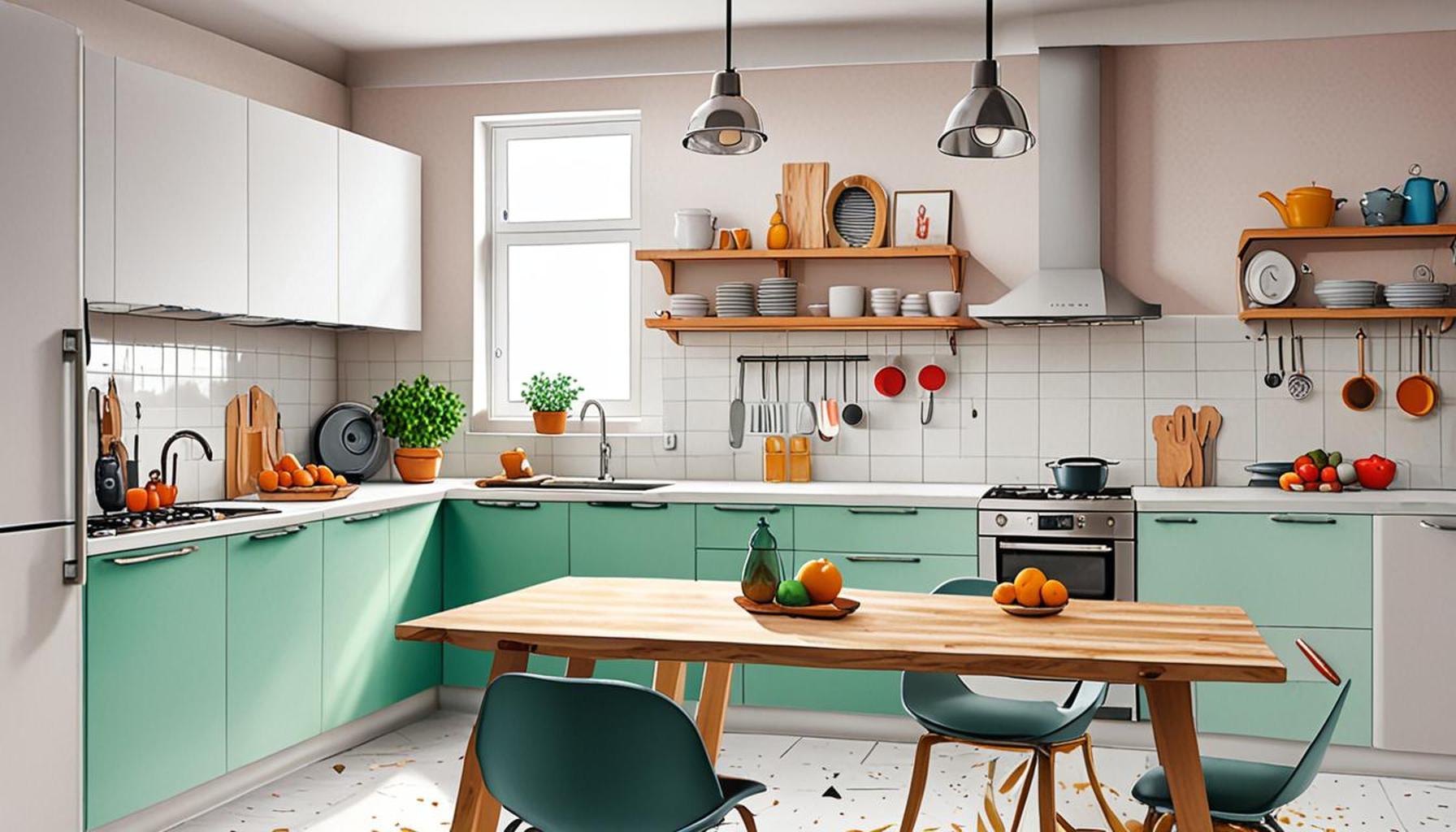
Moreover, the rise of multi-functional kitchen tools emphasizes the minimalist ethos. These tools, like a two-in-one grater and slicer, aid in meal preparation while conserving precious kitchen space. In a nation where culinary innovation thrives, embracing such tools not only elevates efficiency but also cultivates a sense of mindfulness in cooking.
Beyond individual needs, the push for minimalism has been embraced uniquely in Nigeria, where rich traditions and contemporary creativity converge. Handcrafted pottery, for example, does more than serve a functional role; it embodies the rich narratives of cultural heritage—translating the intricate stories of community craftsmanship into everyday decor. Similarly, textiles with clean lines present traditional motifs with a modern twist, appealing to fashion enthusiasts eager to express their identity through minimalist designs.
- Handcrafted Pottery: Functional pieces that tell stories.
- Textiles with Clean Lines: Traditional patterns with a modern twist.
These transformations illustrate how everyday objects can shift from mere utility to expressions of personal style and cultural pride. Emphasizing sustainability and mindfulness encourages a deliberate approach towards consumption and ownership—an essential trait in today’s environmentally conscious society.
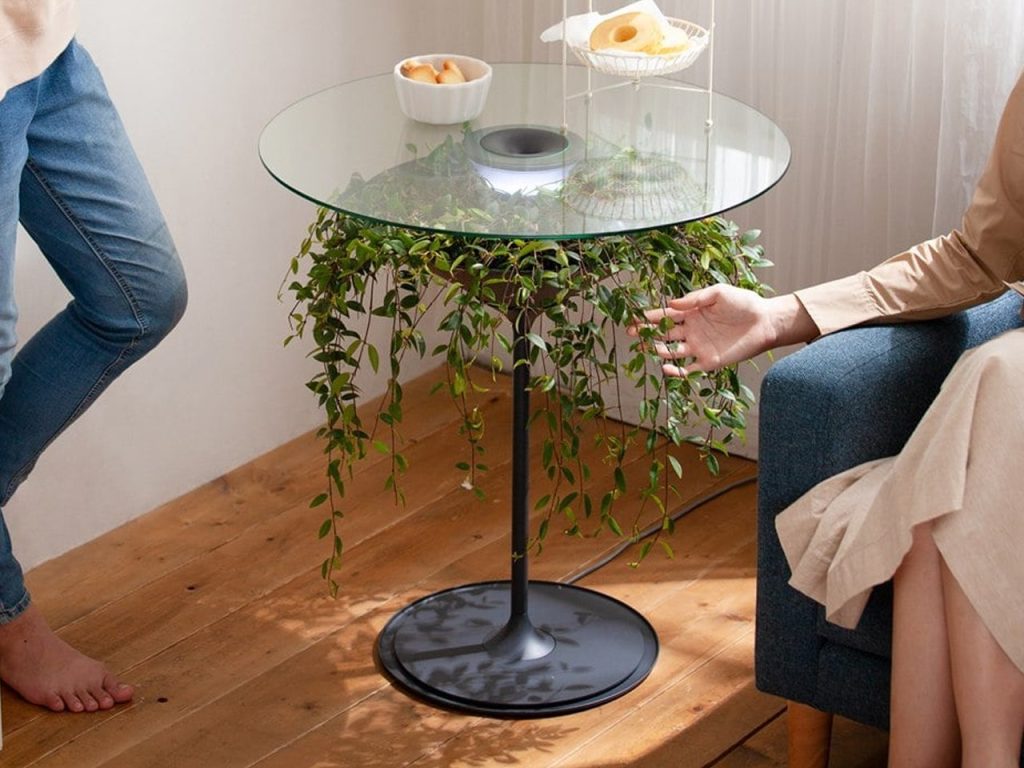
As individuals explore the depths of functional aesthetics, it becomes evident that minimalism transcends a fleeting trend; it embodies a lifestyle choice. An embrace of simplicity fosters clarity, reduces distractions, and ultimately enhances our daily experiences. Those willing to dive into this transformative journey will discover not just a serene living space but also a renewed appreciation for the beauty of less.
ADDITIONAL INSIGHTS: Expand your understanding here
The Intersection of Design and Functionality
In the realm of minimalism, the new wave of accessories exemplifies how design can harmoniously blend with functionality, transforming mundane items into objects of art. This shift is evident in items that many consumers use on a daily basis, such as watches, bags, and stationery. By stripping away excess elements, these accessories not only make a statement but also serve their intended purposes with elegance. For many Nigerians, where artisan craftsmanship often meets innovative design, such transformations contribute to a burgeoning appreciation for accessories that embody this minimalist philosophy.
Take, for instance, the resurgence of minimalist watches. These timepieces are not just tools for keeping time; they represent a lifestyle choice. Their clean dials, subtle color palettes, and absence of superfluous functions speak of sophistication. Brands like Obi Watches, which incorporate locally sourced materials, provide individuals with a way to connect culture and modernity through their wrist adornments. These watches offer more than utility; they become part of a narrative—where each tick resonates with values of sustainability and simplicity.
Meanwhile, the evolution of stationery in a digital age showcases how minimalism can redefine everyday objects. High-quality, understated notebooks and pens designed for minimalistic writing environments are gaining traction among students and professionals alike. The appeal lies in their ability to facilitate clarity in thought and creativity, allowing users to focus on content rather than distraction. These sleek tools, which can easily fit into a stylish tote bag, serve a practical purpose while simultaneously acting as a fashion statement.
- Minimalist Watches: Timepieces that blend culture with modern design.
- Sleek Stationery: Tools that enhance creativity and clarity.
- Eco-Conscious Bags: Fashionable accessories that prioritize sustainability.
Additionally, the push for eco-friendly materials is also seeing room for growth within minimalism. As awareness of environmental issues increases, many Nigerian artisans are turning to sustainable practices, producing eco-conscious bags that serve as both a fashion accessory and a statement of social responsibility. These bags feature clean lines and functional designs that resonate with the minimalist ethos while stating the commitment to a healthier planet. They become a part of the wearer’s identity, expressing values through each purchase.
The journey toward embracing minimalism is not just about decluttering spaces and making style choices; it represents a deeper understanding of the functional aesthetics that permeate our lives. By intentionally selecting accessories that prioritize simplicity and purpose, individuals create a more meaningful narrative around their daily interactions and routines. As this minimalist trend continues to expand, particularly in Nigeria’s vibrant consumer culture, the intersection of design and functionality will remain a focal point for the discerning buyer.
Minimalism and Its Impact on Design
In an era overwhelmed by consumerism, minimalism stands out as a beacon of clarity, emphasizing the beauty found in simplicity and function. The core principle is to strip down objects to their essential elements, highlighting functionality without unnecessary embellishment. This approach not only creates aesthetically pleasing designs but also eliminates visual clutter, making everyday spaces more harmonious.
Total Functionality in Accessories
When it comes to accessories, minimalism allows for items that serve multiple purposes. For example, a sleek, multifunctional bag may transition from a work briefcase to a weekend tote effortlessly, each use seamlessly catering to the user’s lifestyle. This versatility reduces the need for a multitude of items, aligning perfectly with minimalist principles.
Transforming Everyday Objects
Everyday objects are being reimagined through the lens of functional aesthetics. From kitchen tools that not only cut through materials efficiently but also become a statement piece in your cooking space, to furniture designed to be both beautiful and practical, these transformations yield products that enrich the user experience.
By appreciating the fusion of style and utility, consumers are drawn to accessories that serve essential roles in their lives while also echoing their personal tastes.
| Category 1 | Category 2 |
|---|---|
| Less Clutter | A minimalist approach encourages the removal of unnecessary items, leading to a cleaner and more organized environment. |
| Emphasis on Quality | Focusing on fewer accessories allows for investment in high-quality, durable items that enhance the overall aesthetic and functionality. |
This combination of beauty and purpose captivates consumers, leading them to explore the possibilities that minimalist design offers in transforming not only their space but their daily lives as well.
YOU MAY ALSO LIKE: Read read another article
Fashion Meets Purpose: The Rise of Minimalist Accessories
The minimalist lifestyle continues to make waves not only in interior design but also in the fashion industry. Accessories that align with the principles of minimalism resonate deeply with consumers seeking elegance without excess. This movement isn’t just a fleeting trend; it represents a cultural shift, encouraging individuals to curate their wardrobes mindfully. In Nigeria, where fashion forwardness meets cultural richness, this is increasingly apparent. Local designers are innovating by crafting accessories that not only embody style—but also reflect personal values and heritage.
Among the standout examples are minimalist jewelry pieces produced by artisans throughout the country. Brands such as Tiwa ‘N’ Tiwa have risen to prominence by offering exquisite items made from simple shapes and eco-friendly materials. These designs often feature delicate lines and understated elegance, allowing them to be worn as complements to various outfits, thereby enhancing the wearer’s personal style without overshadowing it. Furthermore, each piece tells a story, connecting the consumer to the artisanal process and local craftsmanship.
In addition, the rise of multifunctional accessories highlights an important facet of minimalism—efficiency. Tech accessories, such as laptop bags and phone cases, are being redesigned with this ethos in mind. These accessories combine practical elements with stylish designs, catering to the needs of digital natives. For instance, sleek bags that can accommodate both laptops and personal items without the bulk are becoming increasingly popular among professionals and students alike. A prime example is the Kaizen Tech Bag, designed with removable compartments to ensure that users have access to their essentials without carrying excess weight.
Furthermore, minimalism extends beyond aesthetics to embrace consumer consciousness, as seen in the growth of upcycled accessories. Products crafted from reclaimed materials not only reduce waste but also exemplify creativity and responsibility. For Nigerians, brands like Hustle & Co focus on crafting accessories that breathe new life into discarded items, such as remnant fabric or leather. Not only do these pieces serve a practical function, but they also spark conversations about sustainability and innovation, further enriching the minimalist narrative.
- Minimalist Jewelry: Artisanal pieces that emphasize craftsmanship and personal style.
- Multifunctional Tech Accessories: Bags and cases designed for efficiency and comfort.
- Upcycled Fashion Items: Sustainable accessories that promote responsibility and creativity.
The minimalist approach encourages individuals to reflect on their choices—they are not just buying products; they are investing in a philosophy that resonates with their values. In this context, accessories become more than mere embellishments; they transform into extensions of one’s identity. As more Nigerians adopt this mindset, it reinforces a growing community that appreciates the essence of simplicity through daily interactions with thoughtfully designed objects.
As the dialogue around minimalism expands, the interest in curated experiences—where each accessory serves a dual purpose of beauty and functionality—will likely drive innovation in both local and global markets. The commitment to quality over quantity becomes an emblem of intent, fostering a deeper relationship between consumers and the accessories they choose. In the era of excess, the allure of minimalist accessories continues to shine, illustrating the profound impact of functional aesthetics on everyday life.
YOU MAY ALSO LIKE: Read read another article
Redefining Value: The Lasting Impact of Minimalism on Accessories
As we navigate through the complexities of contemporary living, the principles of minimalism offer not just a design aesthetic, but a transformative approach to how we view and interact with accessories. By prioritizing functionality alongside beauty, minimalist accessories empower individuals to make intentional choices that reflect their values. This is particularly relevant in Nigeria, where the fusion of cultural heritage and modernity fosters creativity among local artisans.
The emergence of minimalist jewelry, multifunctional tech accessories, and upcycled items serves as a testament to this evolving mindset. These accessories do not merely serve a purpose; they tell stories, promote sustainability, and encourage consumer consciousness. In embracing simplicity, Nigerians are not just adopting a trend; they are committing to a lifestyle that celebrates craftsmanship and ecological responsibility.
This shift signifies a growing recognition that our choices matter. As we invest in accessories that emphasize quality over quantity, we pave the way for a future where style does not have to come at the expense of our environment. The trend of minimalism, therefore, challenges consumers everywhere to consider the value behind each piece they choose to include in their lives. Ultimately, the allure of functional aesthetics resonates deeply, promising to continue shaping our everyday objects and enhancing our personal narratives in meaningful ways.

Beatriz
Beatriz Johnson is a seasoned minimalist and writer with a passion for simplifying the complexities of personal organization and decluttering. With over a decade of experience in the field, she specializes in topics like minimalist living, efficient organization strategies, and creating intentional spaces. Through her work, Beatriz empowers readers to make mindful decisions about their belongings, streamline their lives, and embrace a more organized and fulfilling lifestyle.