The Evolution of Functional Aesthetics in Minimalist Furniture: Design that Unites Beauty and Practicality
The Allure of Minimalist Furniture Design
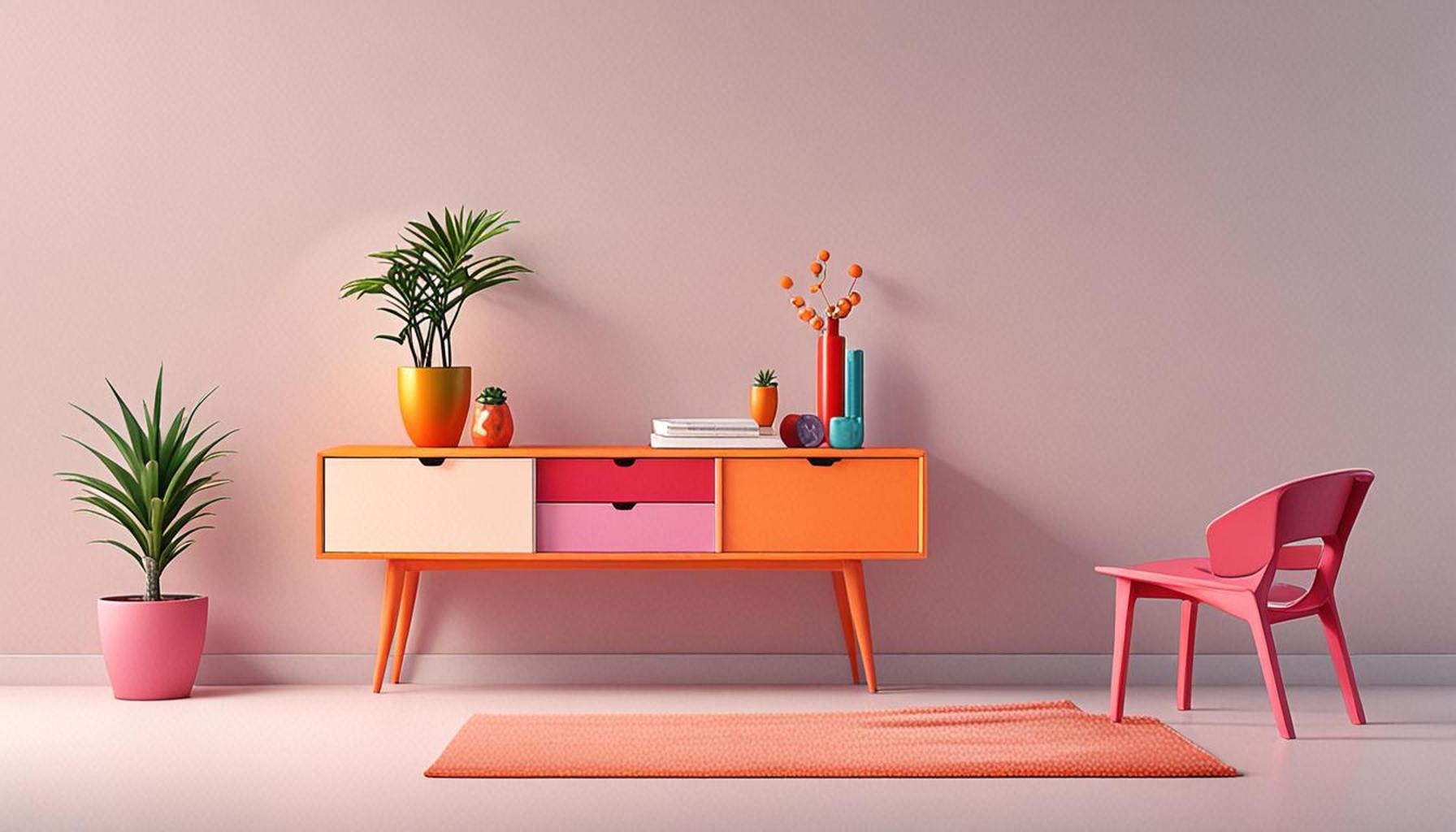
In recent years, the realm of minimalist furniture has become an exciting intersection where art meets function. Stripped of superfluous elements, minimalist design highlights the elegance of simplicity. This ideology places emphasis on clean lines and a restrained color palette, transforming essential items into works of art that complement modern living spaces. The journey from mere utilitarian objects to breathtaking furniture pieces showcases a profound understanding of both aesthetic appeal and practical utility.
One of the defining characteristics of minimalist furniture is its simplicity. This concept revolves around the idea that “less is more,” allowing the user’s attention to focus on the form and craftsmanship of an item rather than its adornments. For instance, a minimalist chair may be crafted from a single piece of bent wood, showcasing not only its functional aspect but also the artistry involved in its creation. This Zen-like approach encourages individuals to appreciate the inherent beauty in straightforward designs, fostering a sense of tranquility in home environments.
Moreover, versatility plays a significant role in the growing popularity of minimalist furnishings. The modern lifestyle demands that furniture easily adapts to varying functions and spaces. For example, a sofa that doubles as a bed, or a table that expands for guest meals, exemplifies how minimalist design addresses the challenge of urban living, where space is often limited. In Nigeria, such adaptability is particularly valued in urban centers like Lagos and Abuja, where smaller apartments necessitate multi-functional solutions that maximize utility without compromising on style.
A key trend in this evolution is a commitment to sustainability. Designers are increasingly turning to eco-friendly materials, such as reclaimed wood and organic textiles, ensuring that their creations are not only beautiful but also responsible. This eco-conscious approach resonates well with a growing demographic in Nigeria that is becoming more aware of environmental issues and the impact of consumer choices. For example, local artisans are integrating sustainable resources into their work, such as utilizing bamboo, which grows quickly and has a low environmental footprint, further bridging the gap between tradition and modernity.
The Nigerian furniture landscape is a vibrant testament to this blend of functional aesthetics. Here, where traditional craftsmanship coexists with contemporary designs, local artisans craft pieces that tell stories of culture while adapting to the needs of modern life. Unique creations can be found that celebrate ethnic patterns while maintaining minimalist principles, thus allowing individuals to connect with their heritage in their living spaces.
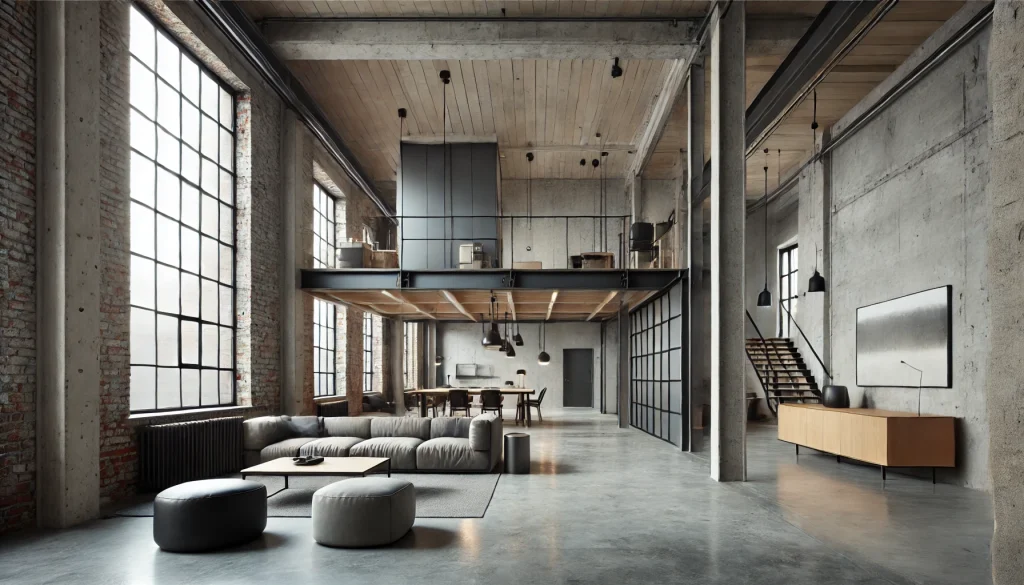
As consumers increasingly lean towards furniture that is both beautiful and functional, the landscape of minimalist design continues to evolve. This ongoing journey reveals not just emerging trends but also a lasting appreciation for the artistry that embodies functional creations. The relationship between space, function, and personal expression will only deepen, encouraging further exploration and appreciation of minimalist furniture as a vital part of contemporary design.
YOU MAY ALSO LIKE: Read read another article
Redefining Space Through Design
As minimalist furniture continues to capture the imagination of designers and consumers alike, it represents more than just a trend; it embodies a fundamental shift in how we perceive and utilize space. The evolution of functional aesthetics within this realm underscores a growing recognition of the importance of balance between beauty and utility in our daily lives. Today’s minimalist creations are not simply about removing excess; they are about maximizing the essence of furniture itself—delivering both elegance and functionality.
The idea of minimalist furniture dates back to the early 20th century, yet its resurgence in contemporary design has unearthed new layers of meaning. Various designers have propelled this movement, drawing from a broad range of influences, including Bauhaus principles and Scandinavian simplicity. They have established a fresh narrative around what it means to design for living spaces that epitomize simplicity while remaining deeply practical. This narrative is particularly resonant in Nigeria’s bustling urban environments, where the dialogue between aesthetic sophistication and everyday function is increasingly relevant.
To understand how minimalist furniture has evolved to encapsulate functional aesthetics, it is essential to identify key attributes that define this movement:
- Streamlined Forms: Minimalist furniture often features sleek shapes and smooth surfaces. Designers prioritize structural integrity while ensuring that every curve and angle contributes to the overall aesthetic appeal.
- Material Selection: High-quality materials play an integral role. Contemporary pieces often blend natural and industrial elements, using bamboo, metal, and glass to create visually striking yet practical designs.
- Color Palette: A restrained color scheme enhances the idea of minimalism. Neutral tones paired with occasional bold accents provide a canvas for personal expression without overwhelming the observer.
- Functionality: Each piece is designed with intent. Corner shelves, expandable dining tables, and convertible sofas highlight the emphasis on space-saving solutions that align seamlessly with modern living.
- Heritage Influence: In Nigeria, local culture and traditions are woven into minimalist designs. Artisans often draw inspiration from indigenous patterns and textures, creating furniture that serves as a tactile bridge to their heritage.
Incorporating these characteristics, Nigerian designers have begun to craft pieces that not only reflect contemporary trends but also resonate with the soul of local culture. The result is a harmonious blend of aesthetics and practicality that speaks to a wide audience. Pieces like artisanal woven benches and hand-carved tables combine the essence of traditional craftsmanship with the clean lines of modern design, creating a visual dialogue about identity, functionality, and the space we inhabit.
As this evolution continues, the conversation around minimalist furniture is set to grow deeper and more intricate. The question arises: how will these increasingly sophisticated designs influence our surroundings and ultimately, our way of living? The ongoing quest for understanding this relationship captures the attention of both consumers and designers, propelling the movement into exciting new territories.
The Impact of Minimalist Design on Modern Living Spaces
Minimalist furniture has made a substantial impact on modern living, and it is essential to explore how it has changed our approach to interior decor. As urban living spaces become increasingly compact, the demand for furniture that maximizes function while maintaining an appealing aesthetic is more critical than ever. Minimalist design allows for the creation of multi-purpose furniture that adapts to the diverse needs of today’s inhabitants. Consider, for instance, the rise of modular furniture systems that enable consumers to customize their living spaces according to personal preferences and requirements. By doing so, these furniture pieces prioritize flexibility and efficiency without sacrificing style. An example would be a sofa that converts into a bed, allowing for efficient space usage in small apartments.Furthermore, the use of sustainable materials highlights an additional layer of practicality within minimalist aesthetics. Designers are increasingly opting for eco-friendly resources, which not only serve to benefit the planet but also appeal to consumers who value ecological responsibility. This results in furniture that is not just visually appealing but also aligns with a growing trend toward sustainability within interior design.The integration of technology into furniture design represents another significant advancement. Smart furniture that includes built-in charging stations or integrated lighting solutions showcases the blend of functionality and style. As our lives become more intertwined with technology, furniture design evolves to accommodate these changes, fostering a seamless interaction between form and function.To further illustrate these points, let’s take a closer look at how well-designed minimalist furniture reinforces the relationship between aesthetic value and usability.
| Category | Key Features |
|---|---|
| Multi-functional Design | Adapts to various needs with pieces like sofa beds or coffee tables with storage. |
| Sustainable Materials | Use of eco-friendly materials enhances both beauty and environmental impact. |
The evolution of furniture design continues to emphasize how functional aesthetics create compelling living environments that foster both enjoyment and practicality. By understanding and leveraging these aspects, we can appreciate the richness of minimalist design and its significant place in modern interiors.
RECOMMENDED: Check out this similar article
Spatial Awareness and Sustainable Choices
In the context of evolving functional aesthetics, spatial awareness plays a crucial role in the development of minimalist furniture. With urban spaces in Nigeria becoming increasingly congested, the need for designs that optimize space has never been more pronounced. Innovative solutions now emphasize not just the aesthetic quality of furniture, but also how well they inhabit the environments in which they exist. Designers are meticulously studying the dimensions and proportions of rooms to create pieces that enhance the flow of space while remaining visually unobtrusive.
Moreover, the integration of multifunctional furniture items is reshaping how consumers perceive practicality in their homes and offices. Furniture such as modular sofas, nesting tables, and wall-mounted desks reflects a profound awareness of minimalism’s implications for contemporary living. These products echo a lifestyle that values both flexibility and style, allowing individuals to adapt their spaces as their needs and preferences evolve. Think about how a small apartment in Lagos can transform from a living area to a workspace; minimalist pieces not only make this transition seamless but also ensure that each element is a statement of design in its own right.
A remarkable trend influencing minimalist furniture design in Nigeria is the growing consciousness around sustainability. As environmental concerns escalate, designers are increasingly sourcing materials that are both eco-friendly and durable. The use of reclaimed wood, for instance, is taking center stage. This practice not only reduces waste but also tells a story of craftsmanship and ecological responsibility. When consumers choose a piece made from reclaimed materials, they engage in a broader conversation about sustainability and cultural heritage, appreciating the unique narrative that accompanies each item.
Biophilic design—the practice of integrating natural elements into living spaces—is another powerful trend shaping minimalist aesthetics. Scientific studies highlight that incorporating elements like plants, natural light, and organic textures can significantly enhance well-being. Consequently, many Nigerian designers are incorporating features such as indoor greenery stands and furniture made with natural fibers to create inviting spaces that foster a connection to nature. This approach not only uplifts the ambiance but also reinforces the ideology that beauty can exist harmoniously with functionality and sustainability.
In Nigeria, where traditional and contemporary styles often collide, some visionary designers are merging modern minimalist principles with indigenous crafts. The blend of hand-woven textiles on minimalist seating or the use of artisanal techniques in joinery exemplify how culture and modernity can coexist beautifully. This intersection provides an opportunity for consumers to appreciate designs that not only cater to aesthetics but also celebrate the rich heritage of craftsmanship that Nigeria offers.
Data suggests that the demand for simplified living spaces has surged, fueled by a collective desire to declutter and simplify lifestyles influenced by a fast-paced urban environment. As the shift toward more thoughtful consumerism unfolds, the spotlight shines on brands that harmonize ethics and aesthetics, producing minimalist furniture that resonates beyond mere visual appeal. Thus, we are witnessing a transformative era where each beautifully crafted piece becomes a statement of identity, purpose, and sustainable living.
RECOMMENDED: Check out this similar article
Conclusion: Redefining Spaces through Minimalism
The evolution of functional aesthetics in minimalist furniture marks a significant shift in the way we perceive and interact with our environments. As urbanization intensifies in Nigeria, the push for designs that marry beauty with practicality becomes vital. This movement embraces multifunctional furniture, eco-conscious materials, and biophilic elements, creating a symbiotic relationship between the items we own and the spaces we inhabit. The growing trend of sourcing sustainable materials, such as reclaimed wood, not only speaks to an individual’s taste but also reflects a broader commitment to ecological stewardship.
Furthermore, merging traditional craftsmanship with modern minimalist principles enriches the aesthetic offerings available to consumers. By celebrating Nigeria’s rich heritage alongside contemporary designs, brands foster an appreciation for both functionality and artistry. This unique blending enhances the narrative surrounding furniture, as each piece becomes not merely a necessity but a testament to culture and lineage.
As simpler living spaces gain traction, reflecting our fast-paced lifestyles, it’s essential for consumers to engage thoughtfully with their choices. Minimalist furniture has thus risen to prominence not just as a design aesthetic but as a lifestyle choice that emphasizes clarity, intentionality, and connection to nature. In this transformative era, the pieces we curate in our homes can foster a sense of identity and belonging while championing sustainability. The future of furniture design lies in our hands, inviting us to embrace beauty that is deeply intertwined with functionality.

Beatriz
Beatriz Johnson is a seasoned minimalist and writer with a passion for simplifying the complexities of personal organization and decluttering. With over a decade of experience in the field, she specializes in topics like minimalist living, efficient organization strategies, and creating intentional spaces. Through her work, Beatriz empowers readers to make mindful decisions about their belongings, streamline their lives, and embrace a more organized and fulfilling lifestyle.