
The Electric Vehicle Revolution and Its Effect on the Automotive Industry
Understanding the Electric Vehicle Movement
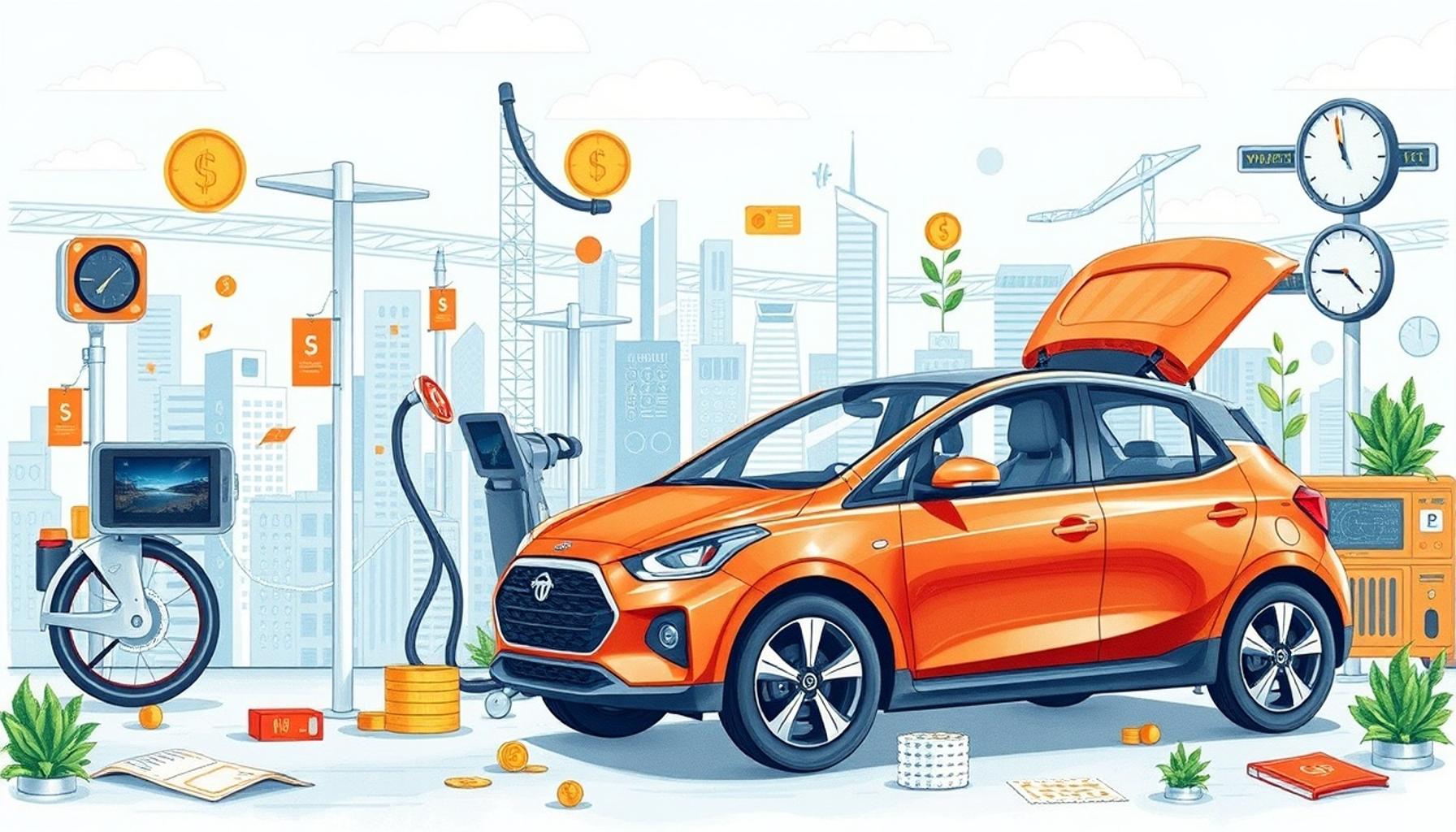
The shift towards electric vehicles (EVs) is radically transforming the automotive landscape as we know it. This revolution is not confined solely to the cars that populate our roads; it reflects a broader transformation in consumer behavior, technological advancements, and heightened environmental awareness. As we delve into these factors, we uncover the reasons steering this significant shift in transport and economy.
Environmental Concerns
One of the major drivers of the electric vehicle revolution is the growing collective awareness of climate change. With reports linking fossil fuel consumption to rising temperatures and adverse environmental impacts, both consumers and governments are exploring sustainable alternatives. For instance, cities like Los Angeles and New York have initiated plans to transition city fleets to electric options, showcasing a commitment to reducing carbon footprints. Moreover, consumers are increasingly choosing EVs to contribute towards a cleaner future, understanding that every small change in personal transportation can have a larger environmental impact.
Technological Advancements
The rapid pace of technological advancements in the field of battery technology and charging infrastructure further bolsters the attractiveness of EVs. Companies like Tesla have pioneered innovations such as fast-charging stations that allow drivers to recharge their vehicles in a matter of minutes rather than hours. Additionally, recent advancements such as solid-state batteries promise increased efficiency and safety, addressing once notorious concerns about battery range and longevity. The proliferation of apps that help locate charging stations and monitor battery health adds to the ease of owning an electric vehicle, making EVs more appealing to mainstream consumers.
Economic Incentives
Moreover, economic incentives play a crucial role in accelerating the adoption of electric vehicles. In the United States, federal tax credits of up to $7,500 are available for qualifying EV purchases, making them a financially attractive option for consumers. Many states further enhance these incentives with additional rebates or tax breaks, thus reducing the cost barrier associated with buying EVs. For example, California has offered rebates through its Clean Vehicle Rebate Project, encouraging thousands of residents to consider electric options when purchasing new vehicles.
Significant Impacts on the Automotive Industry
The implications of these changes within the industry are profound. Traditional automakers are forced to adapt to this market shift. Companies like Ford and General Motors are refocusing their production lines to integrate more electric model offerings, showcasing their commitment to the future of transportation. Simultaneously, there is a transformation of jobs within the automotive sector. With the increased demand for skilled labor in EV manufacturing and service, educational institutions have begun to adapt their curricula to prepare the workforce for this changing environment.
Additionally, the emergence of new players in the market cannot be overlooked. Startups like Rivian and Lucid Motors are challenging established brands by introducing innovative designs and advanced technology, sparking a competitive spirit that benefits consumers. These new entrants often prioritize sustainability and cutting-edge technology, pushing the entire industry to elevate its standards.
In conclusion, the electric vehicle revolution is reshaping not only how we drive but also our collective approach to environmental stewardship, technology, and the economy. As we navigate through these changes, it becomes clear that the evolution of transportation is just beginning, leading us to an exciting and sustainable future.
DISCOVER MORE: Click here to find out how
Driving Forces Behind the Electric Vehicle Transformation
The electric vehicle revolution encompasses more than just a shift in technology; it embodies a varied array of factors driving change in the automotive industry. To truly understand this transformation, we must look closely at the intertwined influences of environmental awareness, technological innovations, and economic factors.
Environmental Awareness
As the global community grapples with the realities of climate change, concern for the planet serves as a powerful catalyst propelling the electric vehicle revolution. The transportation sector has long been a significant contributor to greenhouse gas emissions, primarily through the use of traditional gasoline and diesel engines. This has driven governments and individuals alike to seek out sustainable alternatives. Here are some examples of how environmental awareness is shaping consumer choices:
- Government Initiatives: Many cities and states are implementing laws and initiatives aimed at reducing emissions. For instance, New York City plans to transition public transportation to electric buses, emphasizing a commitment to a cleaner urban environment.
- Eco-Conscious Consumers: More consumers today prioritize eco-friendliness when making purchasing decisions. EVs often attract buyers due to their lower emissions compared to conventional vehicles.
- Corporate Responsibility: Companies like Amazon are investing in electric delivery vehicles as part of their commitment to sustainability, recognizing the need to reduce their carbon footprint.
Technological Innovations
Another driving force behind the electric vehicle transition is the rapid development of technological innovations in battery technology and vehicle design. As technology continues to evolve, electric vehicles are becoming increasingly viable for everyday consumers. The following advancements have bolstered the appeal of EVs:
- Improved Battery Performance: Advances in lithium-ion battery technology have significantly improved range and charging speed, addressing the main barriers to adoption.
- Expanding Charging Infrastructure: An increasing network of charging stations across the country is making the transition to EVs more convenient. For example, dedicated fast-charging networks like Electrify America are widely expanding access.
- Smart Features: Electric vehicles come equipped with innovative technology such as regenerative braking and advanced safety features, enhancing their efficiency and performance.
Economic Factors
Lastly, economic factors play an essential role in enhancing the attractiveness of electric vehicles. The initial cost of EVs has traditionally posed a barrier for many consumers; however, various incentives are making them more attainable:
- Tax Credits and Rebates: In the United States, federal incentives provide tax credits of up to $7,500 for eligible electric vehicle purchases. Additionally, states like California offer rebates, further reducing costs for consumers.
- Lower Operating Costs: Electric vehicles often have lower maintenance and fuel costs than traditional gasoline vehicles, leading to long-term savings that appeal to financially conscious buyers.
- Investment and Market Growth: With numerous investors focusing on green technology, the electric vehicle market is forecasted to grow substantially. As production scales up, the cost of EVs is expected to decrease further.
In light of these driving forces, it is evident that the transition to electric vehicles is not merely a trend; it reflects a profound shift in how we think about transportation and our responsibility toward the planet. The automotive industry finds itself at a crossroads, and those who proactively adapt to these changes will lead the way in shaping a more sustainable future.
LEARN MORE: Click here to uncover the impact of social media on buying habits
Challenges and Opportunities within the Electric Vehicle Market
While the electric vehicle (EV) revolution presents substantial opportunities for growth and innovation within the automotive industry, it also brings with it a range of challenges that manufacturers and consumers must navigate. Understanding these dynamics is essential for grasping the full impact of the electric vehicle shift.
Supply Chain Disruptions
The transition to electric vehicles significantly alters the automotive supply chain. Traditional vehicles primarily rely on numerous mechanical components, whereas EVs are centered around complex electrical systems and advanced battery technologies. This shift introduces several challenges:
- Battery Supply Issues: The production of batteries, particularly lithium-ion batteries, requires specific raw materials like lithium, cobalt, and nickel. Sourcing these materials can be complicated by geopolitical factors or mining practices that raise ethical concerns. Companies are now seeking ways to standardize battery production or develop alternative technologies that reduce dependency on these resources.
- Component Shortages: As automakers pivot towards electric models, the demand for certain electronic components is soaring. This can lead to shortages and delays, as seen with the recent chip shortage that impacted the entire automotive industry. These disruptions could hinder the growth of EV production.
- Manufacturing Adjustments: Manufacturers need to retrain staff and possibly invest in new facilities or machinery to produce electric vehicles effectively. This transition involves substantial upfront costs and could take time to adapt to new processes.
Consumer Perceptions and Education
Despite the growth in electric vehicle adoption, many consumers remain hesitant due to lingering misconceptions. Addressing these perceptions is crucial for wider acceptance:
- Range Anxiety: Although battery technology is improving, concerns about driving range remain prevalent. Electric vehicle manufacturers are working to demonstrate that EVs can now easily handle typical daily driving needs. For instance, a well-known model like the Tesla Model 3 boasts ranges exceeding 350 miles on a single charge.
- Charging Infrastructure Misunderstandings: Potential buyers might be unaware of the expansion in the charging network, leading to misconceptions about charging availability. Public-private partnerships are increasing the number of rapidly charging stations, ensuring EV users can recharge conveniently during longer trips.
- Maintenance Myths: Many people believe that electric vehicles are harder to maintain than traditional vehicles due to their technology. In reality, EVs generally require less maintenance, as they have fewer moving parts and do not need oil changes, offering an opportunity for manufacturers to educate consumers.
Policy and Incentive Adaptations
Government policies and incentives have played a vital role in encouraging electric vehicle adoption. However, as the market matures, these policies may need to adapt:
- Funding and Incentive Sustainability: Initially, federal and state incentives have made EVs more financially accessible, but as EV adoption grows, the need for these programs may come under scrutiny. Policymakers must find a balance that still promotes EV sales without creating an undue financial burden on governments.
- Infrastructure Investment: To support the growing EV market, there is a pressing need for increased funding and investment in electric vehicle infrastructure, including charging networks and grid improvements. Collaborative efforts between automakers and governments could foster long-term solutions.
- Harmonization of Regulations: As various states implement their own regulations and incentives around electric vehicles, there is a need for harmonization to simplify compliance for automotive manufacturers and consumers alike.
In the face of these challenges, the electric vehicle evolution serves as a reflection of broader changes in consumer behavior, industry practices, and sustainability priorities. As we progress into the future, an understanding of both opportunities and hurdles remains essential for stakeholders within the automotive industry. By embracing innovative solutions and addressing consumer concerns, the industry can capitalize on the significant momentum driving the shift toward electric vehicles.
DISCOVER MORE: Click here to learn about AI’s impact on the job market
Conclusion
The electric vehicle revolution is not just a trend; it represents a pivotal moment in the automotive industry, fundamentally reshaping how vehicles are designed, manufactured, and consumed. As traditional automakers transition to electric models, the implications extend far beyond just cars. The focus on sustainability has led to innovative engineering advancements and has encouraged a new way of thinking about mobility and energy consumption. It is crucial to recognize that success in this transition relies on addressing key challenges like supply chain disruptions, consumer misconceptions, and the need for robust infrastructure.
Furthermore, the role of government policies and funding will continue to be significant in supporting the shift towards electric vehicles. Initiatives aimed at promoting EV adoption while also ensuring that charging infrastructures are in place will prove essential for consumer confidence. As manufacturers adapt, they must also strive to clearly communicate the benefits of electric vehicles, thereby overcoming barriers related to range anxiety and maintenance concerns.
Ultimately, the electric vehicle revolution holds remarkable potential for shaping a cleaner, more efficient future in transportation. By embracing this revolution and addressing the accompanying challenges head-on, stakeholders across the automotive realm can harness opportunities that drive growth and innovation, reinforcing a commitment to a sustainable future. As we continue down this path, it is clear that the journey of electric vehicles is only just beginning, inviting both excitement and responsibility towards greener transportation solutions.

Linda Carter
Linda Carter is a writer and expert known for producing clear, engaging, and easy-to-understand content. With solid experience guiding people in achieving their goals, she shares valuable insights and practical guidance. Her mission is to support readers in making informed choices and achieving significant progress.