
Innovation in Business Models: The Rise of Digital Platforms and Their Impact on Traditional Industry
Understanding Digital Transformation
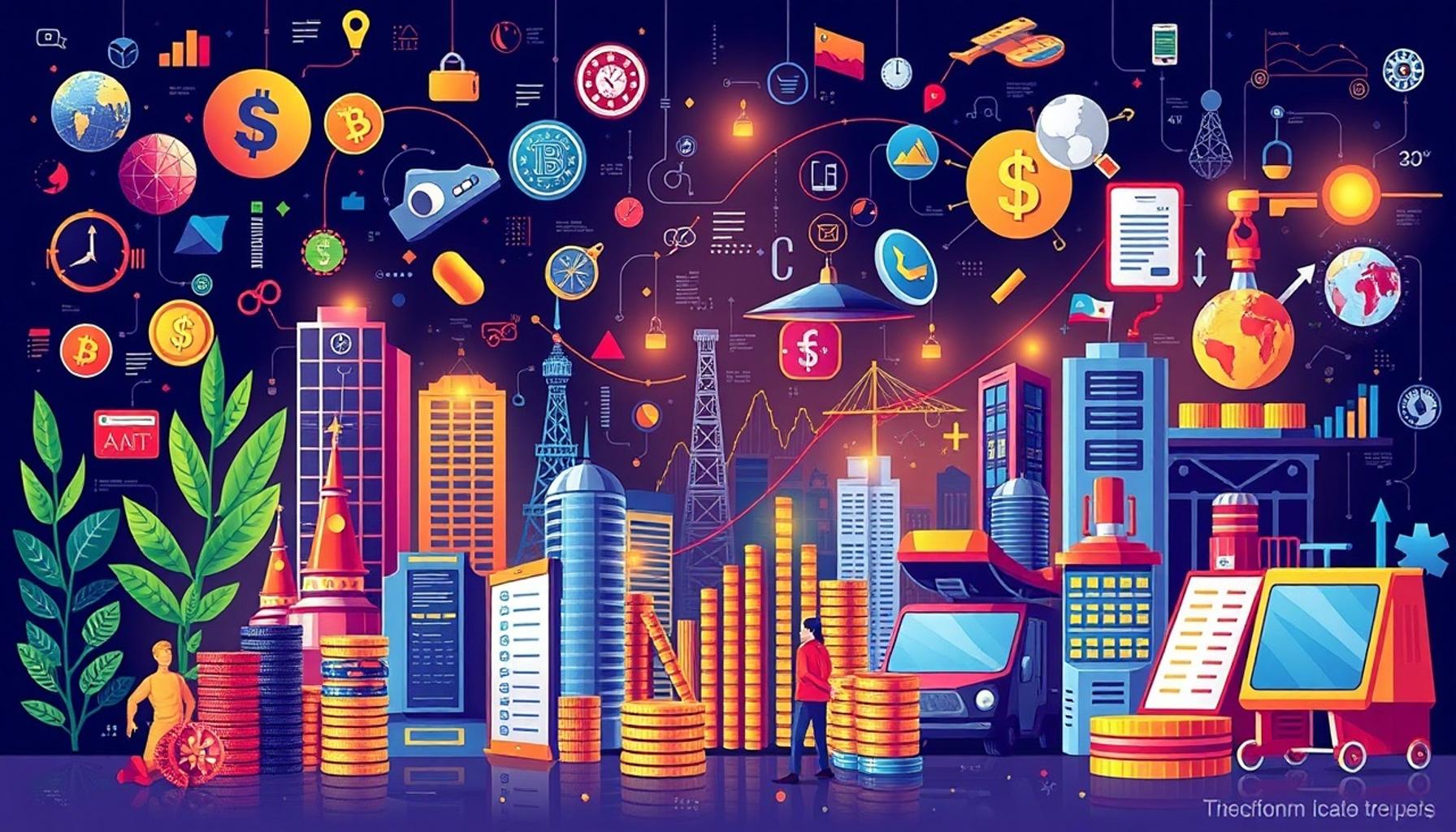
The ever-evolving business landscape is particularly influenced by innovation in business models, with digital platforms leading this charge. These platforms, characterized by their unique operational structures, are redefining customer interactions, service delivery, and value creation in significant ways. As these transformative models gather momentum, traditional industries find themselves at a crossroads, needing to either innovate or face the threat of becoming outdated.
To better grasp the nature of these digital platforms, it is essential to examine some of their core characteristics:
- Scalability: Digital platforms are inherently built to grow rapidly. Unlike traditional businesses that may require extensive physical infrastructure to expand, platforms like Amazon can serve millions of customers without a proportional rise in operational costs, allowing for more agile business practices.
- Network Effects: A key advantage of digital platforms is that their value escalates as more users participate. For example, social media platforms like Facebook becomes more valuable as more friends and connections join, leading to increased customer engagement and more robust community interactions.
- Data Utilization: Successful platforms leverage extensive data to tailor user experiences. Netflix, for instance, analyzes viewing habits to curate personalized content recommendations, directly enhancing user satisfaction and retention.
This seismic shift toward digitalization presents both formidable challenges and exciting opportunities. Notable disruptors like Uber and Airbnb exemplify this dynamic:
- Uber has radically changed the transportation industry by facilitating ridesharing, proving that efficient use of technology can upend established business models like taxis.
- Airbnb has revolutionized the hospitality sector, empowering homeowners to list their properties for rent, thereby providing travelers with diverse and often more affordable lodging options.
In response to such transformations, traditional businesses must adapt by embracing digital strategies. This includes rethinking operations to incorporate modern technologies that enhance efficiency and elevate customer satisfaction. For instance, retailers like Target have integrated e-commerce solutions and click-and-collect services to streamline the shopping experience, merging the digital and physical shopping worlds.
As we plunge deeper into this discussion, it becomes increasingly clear that understanding the implications of these changes is crucial. Businesses that successfully navigate this digital landscape will be better positioned to thrive, ensuring they remain relevant in an era defined by constant innovation.
DISCOVER MORE: Click here to learn about innovative collaborations
Digital Platforms vs. Traditional Business Models
To truly appreciate the disruptive nature of digital platforms, it is vital to understand how they differ from traditional business models. Traditional industries often rely on established practices and physical assets, leading to a more rigid framework. In contrast, digital platforms offer flexibility and adaptability, serving as a bridge between consumers and services without the need for extensive physical investments. This shift can be seen clearly in various sectors, including retail, entertainment, and transportation.
Retail provides a prime example of this transformation. Brick-and-mortar stores like J.C. Penney have faced increasing pressure from online competitors such as Amazon. The advantages that digital platforms hold over traditional retail include:
- Lower Operating Costs: Digital platforms often do not carry the same overhead costs as physical stores, which must pay for rent, utilities, and staffing. This financial advantage allows them to offer competitive pricing and faster delivery times.
- Wider Reach: An online platform can engage with customers globally, breaking geographical barriers that physical stores encounter. This access allows smaller businesses to compete on a larger scale.
- Customer-Centric Models: Digital platforms can quickly adjust their offerings based on customer feedback and purchasing habits, fostering a dynamic relationship that empowers consumers. For instance, retailers using e-commerce solutions can cater to trending products in real time.
Another significant area of transformation is the entertainment industry. Companies like Blockbuster, which relied on physical rental locations, rapidly fell behind as streaming services like Netflix introduced on-demand viewing. The impact of digital platforms can be broken down into several critical elements:
- Convenience: Consumers can access a wide range of content from the comfort of their homes, eliminating the need to travel to rental stores. This ease of access has reshaped viewer habits, establishing binge-watching as a common practice.
- Content Diversity: Digital platforms can provide a broad array of content catering to specific interests, unlike traditional broadcasters that might have limited programming. The rise of niche services, such as Crunchyroll for anime, exemplifies this shift.
- Personalization: Streaming services utilize algorithms to suggest content based on viewing history, enhancing user experience and encouraging loyalty.
Moreover, the focus on transportation illustrates how digital platforms have completely revitalized established industries. Companies like Uber and Lyft challenged traditional taxi services by leveraging technology to offer more convenient and often more affordable alternatives. The disruptive nature of these platforms has raised consumer expectations regarding availability and pricing.
In summary, understanding the fundamental differences between traditional business models and digital platforms reveals the underlying forces reshaping industries. Those engaged in traditional industries must recognize these shifts and embrace innovation to remain competitive amidst the rapid transformation brought about by digital platforms. The pressures to adapt are mounting, yet they also open doors to new opportunities for growth and collaboration.
DISCOVER MORE: Click here to learn about the impact of fintechs on credit card use
Your Business Model Matters: The Evolution Beyond Digital Platforms
As we explore the impact of digital platforms on traditional industries, it’s crucial to recognize that the transformation does not begin and end merely with digitalization. Instead, the evolution of business models has prompted companies to rethink their entire operational processes and strategies. This evolution encompasses concepts like collaboration economy, subscription models, and the integration of data analytics to enhance decision-making.
One notable aspect of this transformation is the collaboration economy. Companies within traditional industries are increasingly leveraging the power of collaboration platforms to enhance productivity and break traditional silos. For instance, organizations such as Procter & Gamble have embraced open innovation via platforms like Connect + Develop, which allow external innovators to contribute new ideas. This approach not only accelerates the innovation process but also fosters an environment where diverse ideas can flourish. By collaborating with startups and external partners, traditional firms can tap into novel solutions and technologies that they might not have the resources to develop in-house.
Furthermore, the subscription model has become a fundamental shift that transcends various industries, transforming how businesses interact with their customers. Netflix set the standard for this model in entertainment, but the approach has been successfully adopted across various sectors. Dollar Shave Club revolutionized men’s grooming by offering high-quality razors and grooming products on a subscription basis, resulting in a significant disruption to established players like Gillette. This model not only builds customer loyalty through convenience but also provides businesses with a predictable revenue stream and valuable data insights, as they continuously engage customers through regular deliveries.
Another fundamental aspect of this transformation is the utilization of data analytics to drive strategic decisions. Digital platforms collect and analyze vast quantities of consumer data, enabling companies to gain insights into customer behavior, trends, and preferences. Starbucks exemplifies this by using its loyalty program app to track purchasing patterns. The data helps them personalize marketing efforts, offering customers tailored promotions and enhancing their overall experience, all of which leads to increased sales and brand loyalty. Traditional businesses that leverage data analytics can create fully informed strategies, helping them stay ahead of their competition.
The rise of digital platforms has also led to significant shifts in consumer expectations. Modern consumers demand convenience, rapid responses, and personalized experiences. Traditional industries must recognize that one size no longer fits all in customer service. Companies like Nike have responded by integrating digital technologies into retail. Through the Nike app, customers can order items, customize products, and receive personalized offers based on their preferences—all of which enhances user engagement and satisfaction.
Moreover, the growing importance of sustainability in business practices cannot be ignored. Digital platforms often promote transparent supply chains and eco-conscious choices, meeting the evolving consumer demand for ethically produced products. Companies like Ecosia, a search engine that plants trees using revenue from ad clicks, demonstrate how a digital platform can align business operations with strong environmental values while attracting a loyal customer base.
Ultimately, the impact of digital platforms on traditional industries is profound and multifaceted. As companies navigate this evolving landscape, they need to embrace new business models, leverage technology, and prioritize customer-centric strategies to thrive in a competitive environment. By adapting to these shifts, traditional companies have the potential to unlock untapped growth opportunities and redefine their market presence.
DISCOVER MORE: Click here to dive deeper
Looking Ahead: Embracing Change for Future Success
In conclusion, the emergence of digital platforms has ushered in a new era of innovation in business models, fundamentally reshaping the landscape of traditional industries. As we have explored, the shift goes beyond mere digitalization; it encompasses a transformative journey where businesses must rethink their operational strategies, embrace the collaboration economy, and harness the power of data analytics to remain competitive. Companies that adapt to these evolving expectations will not only foster customer loyalty but also position themselves for sustainable growth.
Additionally, the integration of sustainable practices into business operations signifies a critical shift in consumer priorities. Businesses that align their goals with the values of the modern consumer will thrive in this new digital landscape. Examples from leaders like Ecosia demonstrate how ethical considerations and innovative platforms can work hand-in-hand, resulting in a loyal customer base that values transparency and responsibility.
Ultimately, the rise of digital platforms presents a unique opportunity for traditional industries to innovate and redefine their market presence. By embracing new business models, fostering collaboration, and prioritizing customer-centric approaches, traditional companies can not only survive but flourish. The key to success lies in being adaptable, open to change, and committed to continuous improvement in a world where consumer needs and technology are in constant flux. As we move forward, the businesses that evolve with these trends are the ones that will lead the charge into the future.

Linda Carter
Linda Carter is a writer and expert known for producing clear, engaging, and easy-to-understand content. With solid experience guiding people in achieving their goals, she shares valuable insights and practical guidance. Her mission is to support readers in making informed choices and achieving significant progress.