
Changes in Work Preferences: The Future of the Hybrid Office
Shifts in the Workplace Landscape
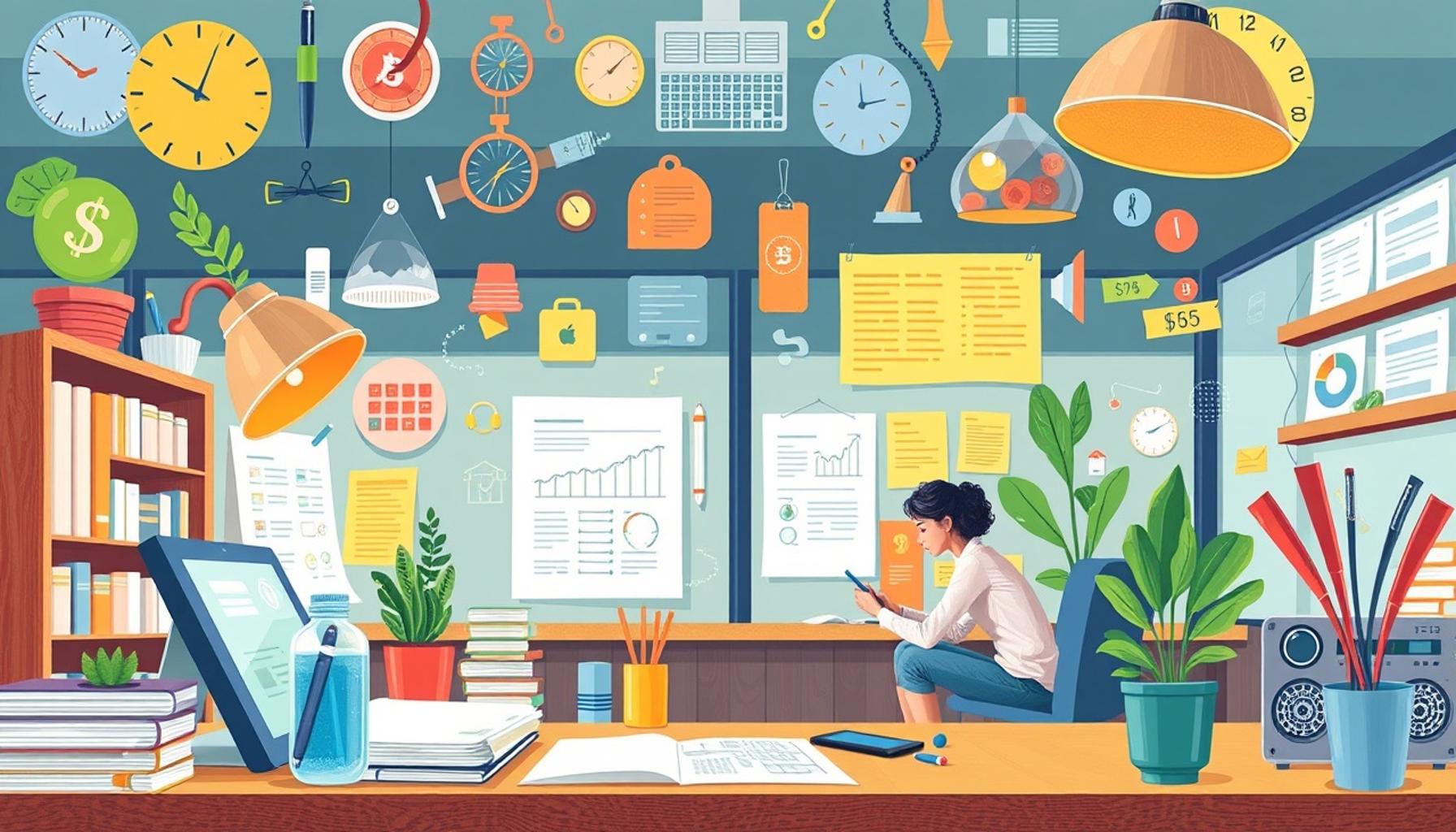
The landscape of work has transformed dramatically in recent years. With the rise of remote work and shifting employee expectations, organizations are now embracing the concept of a hybrid office. This innovative approach combines the flexibility of remote work with the collaborative benefits of in-office environments, creating a model that caters to diverse employee needs.
Some key changes driving these trends include:
- Flexibility: Employees value the ability to choose when and where they work. For instance, many companies like Twitter and Shopify allow employees to work from anywhere, leading to increased job satisfaction and productivity.
- Work-life balance: A hybrid model promotes personal well-being and reduces commuting stress. By enabling employees to spend less time on the road, organizations help them to manage their personal lives more effectively, leading to happier and more focused workers.
- Collaboration tools: Advances in technology enable seamless communication, whether in-office or remote. Platforms like Slack, Zoom, and Microsoft Teams have revolutionized how teams collaborate, allowing for real-time communication and file sharing, bridging the gap between remote and in-office team members.
Rethinking Workplace Culture
As organizations adapt to this new paradigm, it is essential to consider how these changes impact workplace culture and productivity. For example, companies need to rethink:
- Office space design: Open areas are beneficial for collaboration, while dedicated quiet zones are necessary for focused work. Companies like Google have created unique office environments that encourage creativity through open spaces, but also provide quiet areas for those needing concentration.
- Team dynamics: Building connections among remote and in-person staff is crucial. Regular virtual team-building activities or hybrid meetings can help bridge the gap and foster a sense of belonging.
- Employee engagement: Ensuring that all team members feel included, regardless of where they work, is vital. Regular check-ins and inclusive decision-making processes can help maintain a thriving work culture.
Understanding these shifts will help organizations not only to survive but to thrive in the evolving world of work. The future of the hybrid office has the potential to redefine how we perceive and experience our jobs, allowing for greater autonomy, increased productivity, and improved overall well-being for employees. By taking a thoughtful approach to these changes, companies can create an environment that supports both individual needs and organizational goals.
DISCOVER MORE: Click here to learn about sustainability as a competitive advantage
Embracing Flexibility and Adaptability
At the heart of the hybrid office model lies the concept of flexibility. As employees increasingly seek a greater say in how and where they work, organizations are adapting to meet these evolving preferences. This shift is not merely a trend; it reflects a fundamental change in expectations and experiences in the workplace. By allowing employees to work remotely for part of the week, companies are tapping into a rich vein of potential benefits that improve job satisfaction, retention rates, and overall productivity.
One significant consideration in this new landscape is how organizations can maintain effective communication across both remote and in-office teams. As teams are often dispersed, they must rely on various digital tools to connect. This reliance means that companies must invest not only in technology but also in training staff to use these tools effectively. By ensuring that all employees have access to and understand platforms such as Slack and Zoom, organizations can create a seamless communication channel that bridges the gap between different work locations.
Furthermore, the hybrid model encourages a shift in how businesses perceive productivity. Traditionally, productivity was often tied to time spent in the office. However, with the hybrid approach, organizations are beginning to recognize the importance of outcomes over hours logged. This shift allows employees to harness their strengths, work habits, and personal schedules effectively, leading to an increase in both motivation and output. Companies are now evaluating performance based on contributions rather than mere attendance. As a result, many businesses are setting clear goals and performance metrics to guide expectations while giving employees the autonomy to meet those goals in their preferred work environment.
Redesigning the Work Environment
The concept of a hybrid office also brings with it the need for a fundamental redesign of physical workspaces. As team members cycle between home and office, spaces must accommodate a variety of working styles and preferences. Considerations may include:
- Collaborative Spaces: Open layouts that facilitate teamwork and brainstorming sessions.
- Private Workstations: Individual desks or quiet booths that allow for focused work away from the hustle and bustle of a busy office.
- Technology Integration: Meeting rooms equipped with technology that supports both in-person and virtual attendance, making hybrid meetings seamless.
As companies adapt their physical environments, they must also foster a culture of trust and accountability. Employees need to feel empowered to accomplish their tasks without micromanagement. Building trust requires open communication and a commitment to transparency, which helps to strengthen team cohesion and engagement, regardless of location.
In conclusion, the hybrid office is not just a temporary fix; it represents a long-term approach to work that puts employees at the center. By embracing the changes brought about by shifting work preferences, organizations can create an inclusive environment that values flexibility, collaboration, and trust. The future of the hybrid office looks promising, fostering a work environment that not only attracts talent but also retains it.
DISCOVER MORE: Click here for the application guide
Cultivating a Sense of Community
As organizations transition to hybrid models, one critical aspect that must be prioritized is the cultivation of a sense of community among employees. Remote work can often lead to feelings of isolation, prompting companies to focus on intentionally building connections across distributed teams. Virtual team-building activities, online coffee chats, and regular check-ins are practical ways for organizations to foster relationships and ensure that employees feel not just like workers, but also vital members of a community.
Establishing a strong company culture is essential in the hybrid office model. Companies can achieve this by creating shared values and mission statements that resonate with both in-office and remote employees. Research has shown that employees who are aligned with their company’s mission exhibit higher levels of engagement and job satisfaction. Regular informal gatherings, whether in-person or virtual, can reinforce camaraderie, ensuring that employees can connect on a personal level, regardless of their physical location.
Promoting Work-Life Balance
The hybrid office provides a unique opportunity for employees to achieve a better work-life balance. By enabling flexible hours, organizations empower employees to balance work commitments with personal responsibilities, such as childcare or health management. For example, a parent might choose to work during their children’s school hours and use part of their evenings to catch up on tasks. This flexibility not only reduces stress but can also enhance overall productivity, as workers feel a greater sense of control over their schedules.
Organizations can further support this balance by implementing policies such as mandatory downtime and encouraging regular breaks throughout the day. Studies have indicated that employees who take breaks can return to their tasks rejuvenated and more focused. By discouraging after-hours emails or setting clear boundaries around work expectations, companies can create an environment where employees feel supported in prioritizing their well-being.
Emphasizing Continuous Learning and Development
The hybrid work environment opens opportunities for companies to invest in the continuous learning and development of their employees. By offering access to online training programs and workshops, organizations not only enhance skill sets but also demonstrate a commitment to employee growth. With remote employees often feeling disconnected from development opportunities, companies need to ensure that training is accessible and inclusive of all team members.
For instance, hosting virtual workshops on soft skills like communication or leadership can cater to diverse learning needs and ensure all employees can participate. Mentorship programs that pair in-house employees with remote workers can help in transferring knowledge while strengthening interpersonal bonds. Companies can even consider virtual conferences that allow for contributions from experts while still enabling flexible participation, regardless of geographical constraints.
Moreover, encouraging employees to share their successes and learning experiences can contribute to a collective culture of learning. When employees know that they can grow in their roles regardless of their work environment, they are more likely to feel motivated and engaged, which ultimately benefits the organization as a whole.
DISCOVER MORE: Click here for the complete guide
Conclusion
The shift towards a hybrid office model marks a significant evolution in workplace dynamics, fundamentally reshaping how organizations and their employees engage and collaborate. As we have explored, the future of work lies in a balanced approach that prioritizes community engagement, work-life balance, and continuous learning. By fostering a strong sense of belonging through regular interactions, whether remote or in-person, companies can mitigate feelings of isolation and create a cohesive work culture.
Moreover, promoting flexible schedules allows individuals to harmonize their work responsibilities with personal lives, ultimately driving productivity and job satisfaction. This newfound flexibility not only benefits employees but also positions companies as attractive employers in a competitive job market. To enhance this dynamic, investing in ongoing professional development becomes imperative. By providing accessible learning resources and opportunities, organizations empower employees to grow, innovate, and actively contribute to the company’s success.
Looking ahead, embracing these principles will be crucial as more employees opt for hybrid models that suit their diverse needs. Companies that adapt to these changing preferences can expect to cultivate a more engaged, motivated, and resilient workforce. Ultimately, the future of the hybrid office promises not just a reimagined workspace but also a transformational approach to how we perceive work, paving the way for a more fulfilling and balanced professional experience.

Linda Carter
Linda Carter is a writer and expert known for producing clear, engaging, and easy-to-understand content. With solid experience guiding people in achieving their goals, she shares valuable insights and practical guidance. Her mission is to support readers in making informed choices and achieving significant progress.