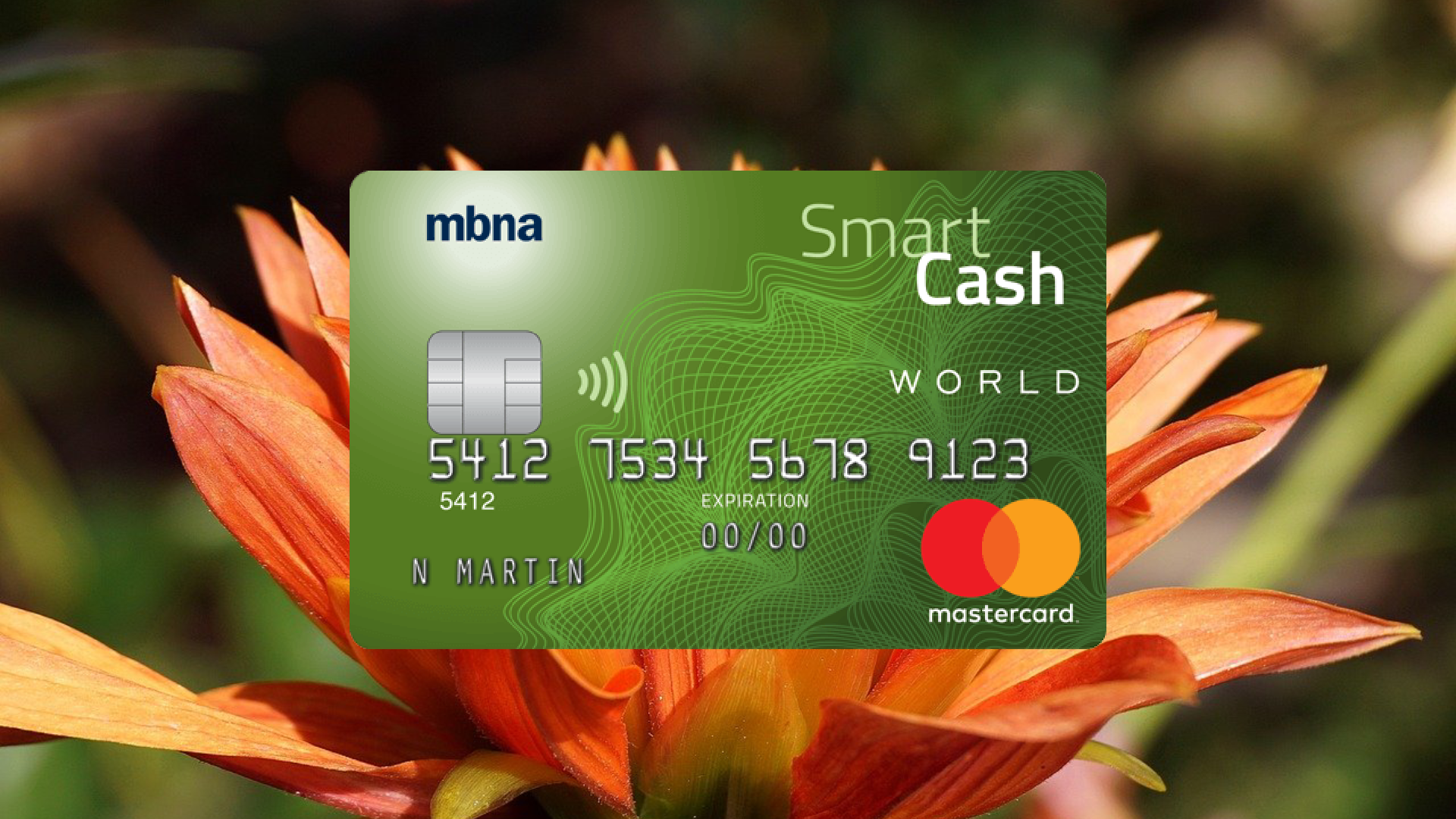
Comparing Credit Cards with Rewards Programs and Traditional Investments

Understanding Financial Choices
Financial literacy is an essential component of managing personal finances effectively. For many Canadians, navigating the decision between credit cards with rewards programs and traditional investments can feel daunting. Each option holds its unique advantages and challenges, making careful comparison crucial for achieving long-term financial health.
Benefits of Credit Cards with Rewards Programs
Credit cards equipped with rewards programs are popular among consumers for several compelling reasons. One of the most enticing aspects is cashback rewards, which typically offer a percentage of your spending back in cash. For instance, a card might provide 2% cashback on groceries and 1% on all other purchases. If you spend $500 monthly on eligible groceries, that’s a return of $12 each month, adding up to $144 annually.
Another appealing feature is the ability to earn travel points. With many Canadians keen on exploring the globe, accumulating points can be particularly advantageous. For example, some cards allow you to earn 1 point per dollar spent, which can later be redeemed for flights and hotel stays. A family vacation to Europe could become more attainable through diligent spending and point accumulation.
Additionally, exclusive offers provide access to discounts at a variety of retailers, making it easier to save money on everyday purchases. Often, these cards also come with perks like travel insurance, rental car coverage, and fraud protection, adding extra layers of value.
Understanding Traditional Investments
While credit card rewards programs can yield immediate benefits, traditional investments are designed for long-term wealth accumulation. One of the primary advantages of investing in assets like stocks and bonds is the potential for growth. For example, investing in strong-performing companies over several years can yield substantial returns, sometimes even outpacing the rate of inflation.
Diversification is another crucial aspect of traditional investments. By distributing your investments across different asset classes—such as equities, fixed income, and real estate—you can mitigate risks associated with market volatility. In Canada, for example, investing in both utility stocks and tech stocks can balance the overall risk, as these sectors often perform differently under various economic conditions.
Lastly, passive income from investments such as dividends or interest can enhance your financial stability. For instance, owning shares in a dividend-paying company allows you to receive income regularly, which can be reinvested or used as cash flow for other expenses.
Ultimately, both credit card rewards and traditional investments cater to different financial objectives and individual lifestyles. While rewards programs may offer quick gratification through tangible perks, investments are often more suited for building wealth over time. Understanding these options paves the way for making informed decisions that align with your unique financial goals and circumstances.
DISCOVER MORE: Click here for the full guide
Evaluating Financial Strategies
Credit Cards: Short-Term Gains
Credit cards with rewards programs provide immediate advantages that appeal to everyday consumers. One of the most notable benefits is the cashback system. Such rewards allow cardholders to receive a percentage of their purchases back, effectively reducing expenses. For example, if you frequently shop at a store that offers a cashback credit card with 3% rewards, a $1,000 monthly spend would yield $30 back, making it a tempting proposition for many shoppers.
Moreover, travel rewards can transform regular spending into vacation experiences. Many cards feature sign-up bonuses that allow new cardholders to earn a significant number of points simply by meeting a minimum expenditure within the first few months. These points can help cover flights and accommodations for potential trips. Imagine planning a rugged adventure across Canada’s mountains or a family holiday to Toronto without worrying about airfare, thanks to well-utilized points.
Cardholders also enjoy exclusive deals. Many companies partner with credit card providers to offer discounts, early access to sales, or even rewards for dining and entertainment. This potential for savings makes it easier for individuals to stretch their budgets further, highlighting yet another practical benefit of rewards programs.
Traditional Investments: Long-Term Commitment
In contrast, traditional investments revolve around long-term prosperity rather than immediate returns. The key benefit of investing in stocks, bonds, or real estate is the potential for capital appreciation. For instance, by investing in a balanced stock portfolio that includes both growth and dividend-paying stocks over time, you may see your initial investment increase significantly. The Canadian stock market, represented by indexes like the S&P/TSX Composite, has historically provided an average annual return of around 7-10%, illustrating the value of patience when it comes to building wealth.
Diversification is vital in any investment strategy. This involves spreading investment across various asset classes to reduce risk. In the context of Canadian investments, this might mean balancing holdings in energy stocks, tech companies, and bonds. Such an approach mitigates the impact of poor performance in one sector and can provide a more stable overall return.
- Stocks: These represent ownership in a company and can yield high returns, but they come with market risks.
- Bonds: These are loans to corporations or governments providing lower, more stable returns but with less risk compared to stocks.
- Real Estate: This can provide rental income along with the possibility for property value appreciation over time.
Finally, traditional investments can generate passive income, offering financial flexibility. Dividends from stocks or interest from bonds can supplement your income, making investments not just a means to grow wealth but also a source of cash flow for your day-to-day needs.
Understanding the distinctions between credit card rewards and traditional investments is crucial for aligning your financial choices with your specific goals. While credit cards offer quick returns and perks, investments are geared towards cultivating wealth over longer periods, emphasizing the importance of considering your broader financial strategy.
LEARN MORE: Click here to discover the application process
Understanding the Trade-Offs
Rewards Programs: Conditions and Limitations
While credit card rewards programs can seem appealing, it’s crucial to recognize the conditions and limitations associated with them. For example, many cashback and travel reward cards come with annual fees that can potentially offset the benefits gained from rewards points. Depending on your spending habits, the fees might outweigh the perks. A card with a $150 annual fee may require an annual spending threshold to make it worth your while; therefore, you must assess whether you’d reach that level of spending consistently.
Additionally, credit cards often have high-interest rates on unpaid balances. It’s important to remember that if you accumulate debt on your credit card, the interest charged can negate any rewards you earn. If an individual carries an average balance of $2,000 on a card with a 20% interest rate, they could pay $400 just in interest over the course of a year, effectively eliminating any rewards earned through spending.
Moreover, some reward systems come with specific restrictions. For example, not all purchases may earn the same amount of rewards points, while certain categories may require careful tracking to maximize benefits. This makes it essential for consumers to actively manage their credit card usage to ensure they are taking full advantage of the rewards programs available to them.
Investments: Understanding Risks and Returns
On the other hand, traditional investments carry their own set of challenges and risks. Although the potential for capital gains is enticing, market fluctuations can result in losses. It is possible for periods of economic downturn to affect stock prices significantly; for instance, during the COVID-19 pandemic, many investors witnessed market volatility that impacted their portfolios. Understanding your risk tolerance is fundamental when exploring investment options.
Additionally, the time horizon for investments often requires a long-term commitment. While it may take years for an investment to appreciate significantly, rewards from credit cards are available almost immediately. Investors must be prepared to weather both the highs and lows of the market without the option of quickly liquidating their investments without incurring penalties or losses.
Investing also requires a good grasp of market trends, which may necessitate time and research to make informed decisions. Investors need to stay updated on economic factors that influence their investments, such as interest rates and market shifts. For Canadians, this could include monitoring developments in the natural resource sector, which plays a substantial role in the national economy.
Lastly, cost considerations are a vital part of the investment landscape. Things like management fees for mutual funds or commissions for stock trades can erode returns over time. This contrasts with many credit cards that provide instant rewards without direct costs at the point of purchase.
When evaluating credit card rewards versus traditional investments, understanding the trade-offs is essential. While credit cards can offer short-term gains, they often come with fees, interest rates, and conditions that can be detrimental in the long run. In contrast, traditional investments demand a longer commitment but can offer substantial returns if navigated carefully. Each approach has its pros and cons, making it important for individuals to align their financial strategies with personal circumstances and financial goals.
DISCOVER MORE: Click here to learn how to apply
Conclusion
In conclusion, choosing between credit cards with rewards programs and traditional investments requires a careful assessment of your financial habits, goals, and risk tolerance. Credit cards can provide immediate rewards, making them appealing for those who are diligent about paying off their balances and effectively managing their spending. Their value lies in how well you leverage them, but with potential drawbacks like high-interest rates and annual fees, careful consideration is necessary to ensure that any perceived benefits do not turn into financial pitfalls.
On the other hand, traditional investments offer the potential for long-term growth and capital appreciation. While they come with risks and require time and knowledge to navigate successfully, the rewards can be substantial if approached with patience and a clear strategy. For many Canadians who may be hesitant about market volatility, understanding investment options and maintaining a diversified portfolio can help mitigate some risks.
Ultimately, it’s essential to reflect on your unique financial circumstances. Consider factors such as your income, expenses, and future plans. You might even find that a combination of both approaches works best to balance short-term cash flow with long-term wealth building. By educating yourself and aligning your choices with your personal financial strategy, you can make informed decisions that cater to your individual needs and aspirations.