Assessment of Environmental Risks in Renewable Energy Investments in Canada
Understanding Renewable Energy Investments in Canada
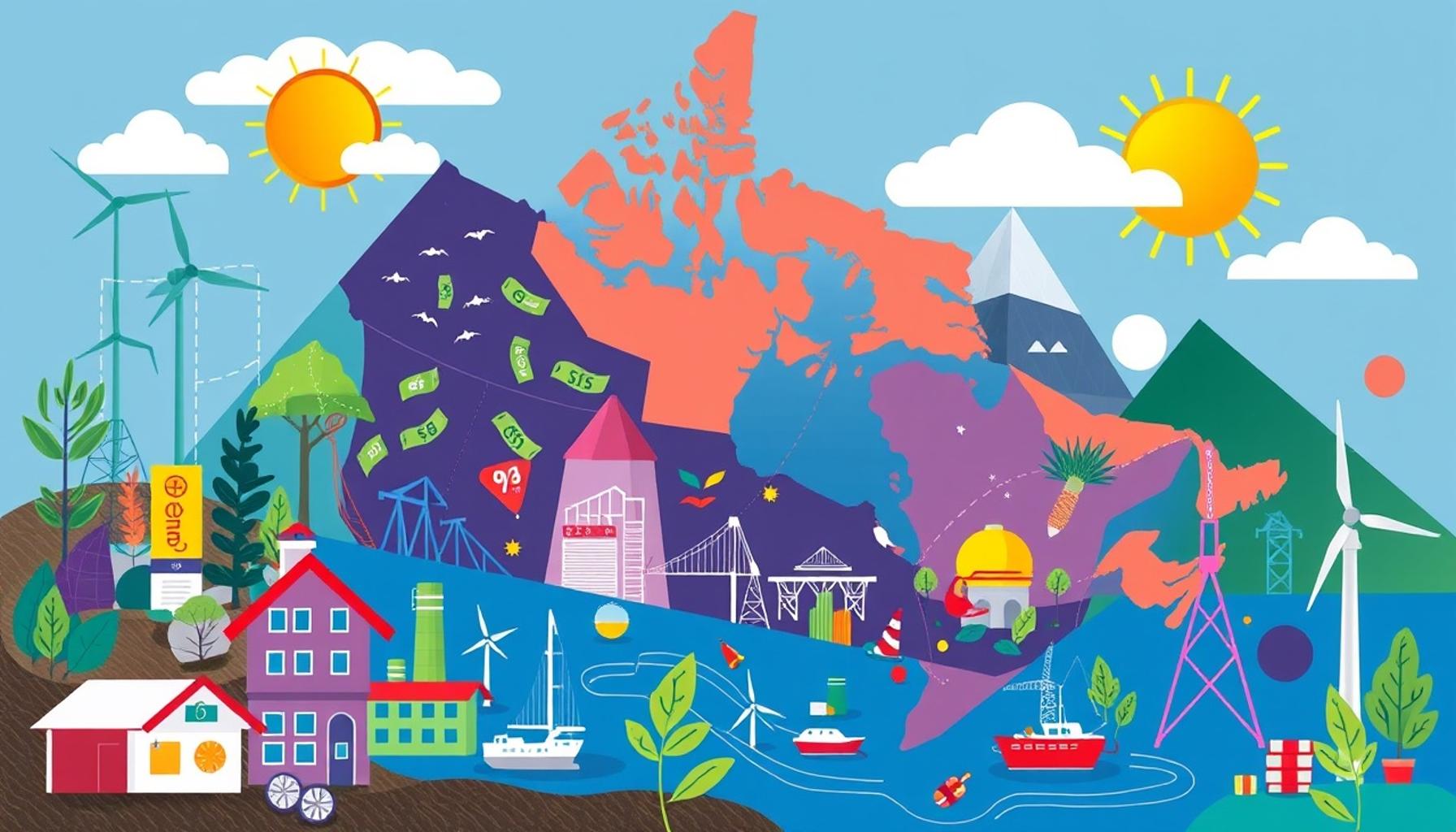
As one of the countries strongly advocating for a greener future, Canada stands at the forefront of the renewable energy revolution. Over the last decade, there has been an exponential increase in investments directed towards clean energy technologies, including solar, wind, hydroelectric, and biomass. However, with this remarkable growth also comes the need for a meticulous evaluation of the potential environmental risks associated with these investments. This careful analysis is essential not only to protect the environment but also to ensure the financial viability of these projects.
To effectively evaluate the environmental impact of renewable energy investments, we must consider several key factors that play a significant role in shaping the overall sustainability of these ventures:
- Resource Extraction: The production of renewable energy technologies often requires the extraction of raw materials such as metals and minerals. For example, mining for lithium used in batteries can disturb local ecosystems, impacting wildlife and their habitats. It becomes paramount to adopt sustainable extraction methods that minimize ecological disruption while meeting the growing demand for these materials.
- Land Use: Many renewable energy projects necessitate large expanses of land. Wind farms and solar arrays can occupy vast areas, potentially displacing wildlife and altering natural landscapes. This situation raises concerns about habitat loss, particularly for species that are already endangered. Implementing careful site selection and considering dual-use projects—such as co-locating solar farms with agricultural operations—can help mitigate some of these impacts.
- Water Usage: Certain renewable energy processes, such as cooling systems for geothermal plants or hydroelectric facilities, require significant amounts of water. This can place additional stress on local water supplies, particularly in regions that are already facing water scarcity. It’s crucial to explore technologies and methods that increase water efficiency and minimize consumption.
Moreover, engagement with local communities is essential to foster goodwill and reduce potential conflicts that may arise from renewable energy projects. By understanding community concerns and aspirations, project developers can tailor their initiatives to be more inclusive and beneficial:
- Indigenous Rights: Nowhere in Canada is this more pressing than in discussions involving Indigenous lands. Supporting projects that respect and involve Indigenous rights ensures not only legal compliance but also ethical responsibility, empowering Indigenous communities in the decision-making process.
- Public Opinion: To improve project acceptance, engaging with local stakeholders helps gauge public sentiment and align projects with community goals. Hosting town halls or informational sessions ensures that community voices are heard and valued.
- Education: Informing the public about the benefits and potential risks associated with renewable energy fosters transparency and trust. A well-informed community is more likely to support sustainable initiatives, as they can better see the long-term advantages.
By thoroughly assessing these factors, stakeholders in Canada can advance the sustainability of renewable energy investments. This balanced approach promotes economic growth while prioritizing environmental conservation, ultimately paving the way for a cleaner and greener future for all Canadians. As the country continues on this renewable energy journey, it becomes increasingly important to create frameworks that support sustainable practices and the protection of both financial and ecological interests.
DIVE DEEPER: Click here to discover more
Evaluating the Environmental Impacts of Renewable Energy Projects
Considering the expansion of renewable energy in Canada, it becomes critical to analyze the various environmental risks associated with such initiatives. Gaining a comprehensive understanding of these risks allows stakeholders to make informed decisions that strike a balance between economic growth and ecological preservation. Key areas to evaluate include the lifecycle analysis of projects, potential ecological disturbances, and the socio-economic impacts of energy development.
One of the main aspects of assessment is the lifecycle analysis of renewable energy projects. This methodology enables an in-depth examination of every phase of a project—from its inception to its final decommissioning. By closely scrutinizing this entire lifecycle, stakeholders can anticipate environmental risks early on. The following stages are critical in this evaluation:
- Development Phase: In this phase, comprehensive environmental assessments are imperative to gauge a project’s impact on local ecosystems. For instance, in a wind farm development, it is crucial to study not only the landscape but also the wildlife that inhabits the area. An assessment may include evaluating the presence of migratory bird patterns and endangered species, which could potentially be disrupted during construction.
- Operational Phase: Once the project is operational, ongoing monitoring becomes essential. For example, in a hydroelectric facility, measuring water quality and flow rates can help track the impacts on aquatic life and surrounding vegetation. This data collection ensures compliance with environmental regulations and assists in making necessary adjustments to operations to mitigate any unforeseen issues.
- Decommissioning Phase: As a project reaches the end of its lifespan, a structured restoration plan is vital. This involves rehabilitating the land and putting back habitats that may have been altered. For instance, when solar farms reach their end, removing panels and restoring the site to its natural state can help prevent soil erosion and promote biodiversity.
Another significant concern relates to the potential ecological disturbances that may arise from renewable energy projects. Wind farms, for example, can result in increased mortality rates for birds and bats due to collisions with turbine blades. To address this, developers can incorporate bird-safe technology or wind farm siting regulations to mitigate risks. Solar farms, particularly large installations, can alter local habitats based on their size and location. Conducting environmental impact assessments before project initiation is essential to identify and mitigate these potential harm factors effectively.
Furthermore, the societal impact of renewable energy investments must be analyzed thoroughly. This extends to comprehending how such projects will impact local communities both positively and negatively. Factors like job creation, training opportunities in new technologies, and increased access to clean energy must be weighed against potential disturbances to community life, such as changes in local traffic patterns or noise from operation.
To ensure that renewable energy initiatives are genuinely sustainable, it is essential for stakeholders to adopt a holistic perspective encompassing environmental, social, and economic aspects. By prioritizing ecological integrity along with technological advancement, Canada can lead the way in renewable energy while safeguarding the environment for future generations. This balanced approach supports not only the planet but also enhances community resilience and economic prosperity.
DISCOVER MORE: Click here for detailed application steps
Integrating Environmental Risk Mitigation Strategies
To effectively address and minimize environmental risks associated with renewable energy investments, various mitigation strategies should be integrated into project planning and execution. By proactively implementing these measures, stakeholders can both protect the environment and ensure long-term sustainability of energy initiatives. Key strategies include public consultation and engagement, technological innovations, and adaptive management practices.
First and foremost, public consultation and engagement play a crucial role in identifying potential environmental risks. In Canada, Indigenous communities and local residents are often among the first to notice the impacts of renewable energy projects in their surroundings. Engaging these stakeholders early in the planning process fosters trust and transparency. For instance, consultations can help identify community concerns regarding land use, wildlife conservation, and cultural heritage. By incorporating local knowledge and perspectives, project developers can create tailored solutions that minimize environmental risks. An excellent example of this is the partnership between wind farm developers and Indigenous peoples in British Columbia, where traditional ecological knowledge informed the siting of wind turbines to reduce impacts on sacred sites and wildlife habitats.
Another significant strategy for mitigating risks is the use of technological innovations. Advancements in technology can significantly enhance the sustainability of renewable energy projects. For example, energy storage systems, such as batteries, help mitigate the intermittency challenges associated with solar and wind energy. This innovation allows for more efficient energy use and maximizes the potential of renewable sources. Moreover, technologies like precision agriculture can be adopted in solar farm installations, enabling land management practices that maintain crop productivity while utilizing the space for renewable energy generation.
In addition to technological developments, incorporating adaptive management practices into the operational framework of renewable energy projects is essential. Adaptive management entails monitoring project impacts over time and adjusting practices based on observed effects. For instance, if a wind farm is found to have a higher-than-expected impact on local bat populations, the project team can implement measures such as curtailing operations during peak migration periods. This approach emphasizes a continuous learning process, allowing stakeholders to respond to environmental challenges as they arise and optimize project design for ecological harmony.
Moreover, regulatory frameworks play a pivotal role in reinforcing environmental risk assessments. In Canada, policies such as the Impact Assessment Act are designed to evaluate the potential environmental effects of proposed projects. Ensuring that renewable energy investments comply with local and national regulations helps maintain ecological balance while providing guidelines for responsible development. Furthermore, regular audits can be beneficial in assessing compliance with environmental standards, ensuring that all processes adhere to stipulated best practices.
Lastly, collaboration among key stakeholders, including government agencies, non-governmental organizations, and the private sector, strengthens the overall assessment of environmental risks. By sharing best practices and resources, stakeholders can foster innovation and collectively enhance the sustainability of renewable energy investments. A successful example of this collaborative approach can be seen in initiatives like the Clean Growth Hub, which connects businesses and government bodies to promote clean technology and renewable energy projects across Canada. This partnership maximizes the potential for shared knowledge while minimizing ecological footprints.
LEARN MORE: Click here for details on applying
Conclusion
In conclusion, the assessment of environmental risks in renewable energy investments in Canada is an essential part of ensuring that the shift towards cleaner energy does not come at the expense of ecological integrity. By prioritizing public consultation, the integration of technological innovations, and the adoption of adaptive management practices, stakeholders can create a framework that effectively addresses and mitigates potential environmental impacts. These strategies not only protect local ecosystems but also foster trust and collaboration with communities, particularly Indigenous peoples who have invaluable insights into land stewardship.
Moreover, the role of robust regulatory frameworks is vital in holding projects accountable for their environmental performance. Initiatives like the Impact Assessment Act ensure that investments align with Canada’s commitment to sustainability. Additionally, partnerships among government agencies, non-profit organizations, and private sector players—such as those seen in the Clean Growth Hub—can amplify the positive outcomes of renewable energy projects while decreasing ecological footprints.
Ultimately, as Canada navigates its path towards a renewable energy future, continuous monitoring and assessment of environmental risks remain paramount. By embracing a comprehensive and inclusive approach, Canada can lead the way in developing sustainable energy solutions that respect both the environment and the communities they affect, ensuring a prosperous future for all stakeholders involved.