
The Role of Artificial Intelligence in the Transformation of the Labor Market
Understanding the Transformation in the Workforce
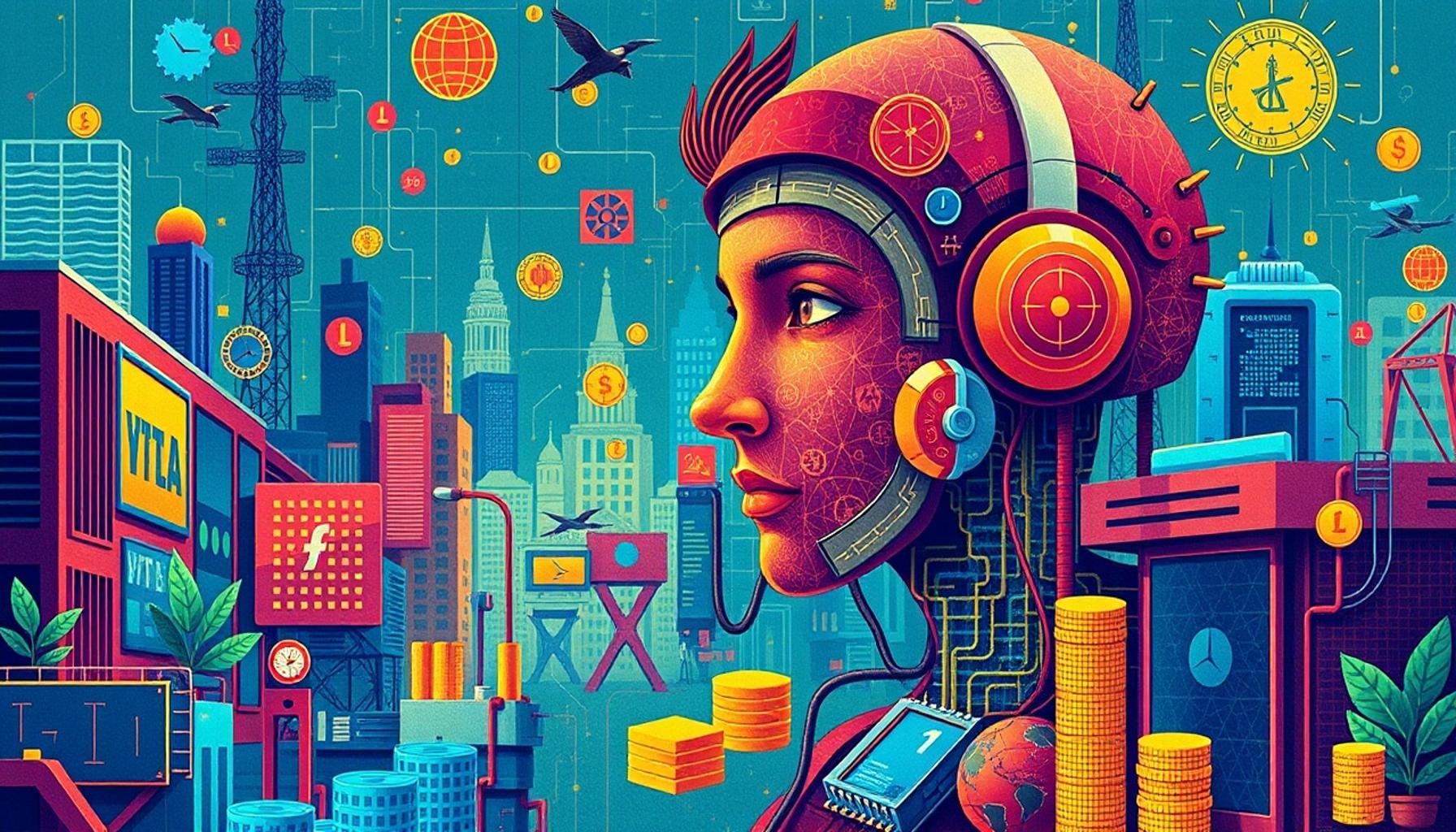
Artificial Intelligence (AI) is fundamentally changing the landscape of employment and job dynamics. As we witness rapid advancements in technology, the integration of AI across diverse industries is creating a complex interplay of challenges and opportunities for workers and employers alike.
One significant effect of AI is job creation. New job roles have emerged that focus on managing AI systems and overseeing automated processes. For instance, in manufacturing, positions such as AI system analysts and robotics technicians have been developed to ensure that machines function smoothly and efficiently. In the healthcare sector, we see the rise of roles like health data analysts who utilize AI tools to analyze patient data and improve treatment outcomes. These roles require a nuanced understanding of both technology and the specific industry context, showing how AI can create areas of employment that didn’t exist before.
However, the rise of AI also leads to job displacement. Many positions that involve repetitive tasks or basic data processing are increasingly being automated. For example, roles in assembly lines or clerical jobs in offices are being replaced by AI systems that can perform these functions with greater speed and accuracy. This shift puts pressure on workers who may find their skills becoming less relevant, leading to economic insecurity.
The transformation driven by AI necessitates a skill evolution among the workforce. Workers are now expected to have advanced technological skills, including proficiency in data analysis, coding, and understanding machine learning concepts. For example, the demand for data scientists has skyrocketed as companies need professionals who can interpret large volumes of data produced by AI systems. Educational institutions and training programs are responding to this need by offering courses in computer science, data analytics, and AI technologies, empowering individuals to stay competitive in an evolving job market.
The impact of AI is particularly pronounced in sectors such as healthcare and finance. In healthcare, AI is being applied to enhance diagnostic accuracy and streamline administrative processes, leading to changes in healthcare delivery roles. In finance, AI algorithms are revolutionizing trading, risk assessment, and customer service, prompting financial professionals to adapt to these transforming landscapes through lifelong learning.
To navigate this paradigm shift, both employees and employers must adopt proactive strategies. Workers can take advantage of online courses, workshops, and certification programs to upgrade their skills. Employers, on the other hand, should invest in training and development initiatives that facilitate reskilling and upskilling of their workforce.
In conclusion, as AI continues to penetrate various sectors, it is crucial for all stakeholders in the labor market to understand these changes. By embracing new opportunities and addressing challenges collectively, we can shape a future where technology enhances productivity while providing stable career paths for the workforce.
DISCOVER MORE: Click here to learn how businesses are evolving
The Dual Impact of AI: Job Creation and Displacement
The introduction of AI into various sectors plays a crucial role in transforming the labor market by serving a dual function: job creation and job displacement. Understanding these two sides is essential for employees, employers, and policymakers as they navigate this evolving job landscape.
Job Creation through New Opportunities
As AI technologies advance, new job opportunities have started to surface, reflecting the need for skills that bridge technology and industry applications. The demand for professionals who can interpret and manage AI systems has led to the emergence of roles that enhance efficiency and foster innovation.
- AI Developers and Programmers: These individuals are responsible for creating and maintaining AI applications. As industries increasingly rely on AI for their operations, the need for skilled developers is paramount.
- Data Analysts: With a surge in data generated by AI systems, companies require data analysts who can sift through this information to extract valuable insights that can drive strategic decisions.
- Change Managers: Specifically in sectors like finance or healthcare, professionals are needed to oversee the transition processes as organizations integrate AI technologies, ensuring that employees adapt smoothly to new systems.
These roles often require a blend of skills, combining technical expertise with a deep understanding of specific industry challenges. For example, in logistics, professionals who understand AI algorithms can optimize supply chains, streamline operations, and significantly reduce costs. This dual competency is essential for leveraging AI in practical contexts.
The Challenge of Job Displacement
While AI opens new avenues for job creation, it also poses a significant threat through job displacement, particularly for roles that revolve around routine and manual tasks. Positions that do not require complex human interaction are more susceptible to being automated. Common examples include:
- Assembly line workers: In manufacturing, robots and AI-driven machinery are taking over repetitive jobs that were traditionally filled by people.
- Customer service representatives: Automated chatbots and AI-driven customer service solutions can handle inquiries and support tickets, reducing the need for human representatives.
- Data entry clerks: Automation of data processing tasks means that many clerical jobs may become obsolete as systems can input and analyze data at a faster rate.
This shift in the labor market emphasizes the urgency for workers to equip themselves with advanced skills to remain relevant. The challenge lies in reskilling the workforce swiftly enough to meet the growing demand for more complex roles while addressing the outcomes of job displacement.
The evidence of AI’s impact thus underscores the necessity for strategic responses from both employees and organizations. Workers need to be proactive about enhancing their skill sets, while organizations have a responsibility to invest in training programs that support employee growth and mitigate the effects of displacement.
DISCOVER MORE: Click here to learn about automation’s impact on sustainability
Adapting to Change: The Importance of Upskilling and Lifelong Learning
In response to the dual impact of AI on job creation and displacement, a critical factor shaping the future of the labor market is upskilling and lifelong learning. The rapid pace of technological advancement implies that the workforce must evolve in tandem. Preparing for this transformation involves not just acquiring new knowledge but also adapting to an ever-changing environment marked by innovation and digital disruption.
The Need for Reskilling Initiatives
As certain job roles vanish due to automation, individuals seeking to remain competitive must focus on reskilling. Organizations, realizing the potential of retaining talent, have begun to launch targeted reskilling initiatives. These programs are designed to help employees transition smoothly into new roles that demand different skill sets. For instance:
- Upskilling Programs: Companies like Amazon have invested heavily in upskilling workers, providing opportunities to learn web services and cloud computing, which are vital in the current job market.
- Partnerships with Educational Institutions: Many businesses are collaborating with local community colleges and online platforms to offer tailored courses that address the specific needs of the workforce, creating a bridge between education and job requirements.
- Internal Mobility Programs: Active promotion of internal career shifts within organizations can help employees take on new roles that align with their evolving interests and the company’s changing needs.
Such initiatives not only bolster individual career trajectories but also enhance organizational resilience. When a company promotes a culture of continuous learning, it becomes better equipped to tackle technological disruption as a cohesive unit.
The Role of Soft Skills in an AI-Driven Economy
In the age of AI, technical skills alone will not suffice; the significance of soft skills is gaining unprecedented recognition. As AI systems handle routine tasks, human abilities like critical thinking, creativity, emotional intelligence, and collaboration become paramount. Employers are increasingly seeking candidates who can:
- Emphasize Creativity: As machines take over traditional functions, the ability to innovate and think outside the box will set individuals apart.
- Demonstrate Emotional Intelligence: Skills related to empathy and interpersonal communication are vital in areas like management and customer relations, where human interaction remains irreplaceable.
- Adapt Quickly: The capacity to learn quickly and adapt to new technologies is essential, as the job roles and required skills may change rapidly.
Fostering these soft skills can enhance team dynamics and create more productive workplaces. Therefore, training programs focused on developing both hard and soft skills will help employees cultivate a comprehensive profile that meets the demands of an AI-driven landscape.
The Role of Government and Policy in Workforce Transformation
Governments also have a significant role to play in facilitating workforce transformation through supportive policies and initiatives. This can include investing in education systems that emphasize STEM (Science, Technology, Engineering, and Mathematics), as well as providing incentives for companies to invest in employee training. For example:
- Funding for Training Programs: Governments can allocate budgetary resources to sponsor skill development programs that account for the specific needs of local labor markets.
- Tax Incentives: Providing tax benefits or subsidies to organizations that prioritize employee education and reskilling can encourage businesses to take action.
- Support for Apprenticeships: Expanding apprenticeship programs can help bridge the gap for younger workers, allowing them to gain hands-on experience while learning from seasoned professionals.
By taking a proactive approach towards education and workforce development, both governments and organizations can work in tandem to create an ecosystem that not only prepares today’s workforce for imminent changes but also fosters resilience and growth in a rapidly changing economy.
DISCOVER MORE: Click here to learn about the impact of e-commerce platforms
Conclusion: Embracing the Future of Work
As we navigate through the unfolding landscape shaped by artificial intelligence, it is clear that the transformation of the labor market is both an opportunity and a challenge. AI has the potential to revolutionize industries, enhance productivity, and open new avenues for job creation. However, it also poses significant risks of job displacement, making it imperative for individuals, organizations, and governments to respond proactively.
The emphasis on upskilling and lifelong learning is essential for today’s workforce. By actively seeking opportunities for reskilling and embracing continuous education, workers can better adapt to the changing job market demands. Organizations that prioritize employee development not only foster a supportive work environment but also enhance their competitive edge in a technology-driven economy.
Moreover, cultivating soft skills such as creativity and emotional intelligence will differentiate individuals in an era where routine tasks are increasingly automated. By blending technical proficiency with these human-centric attributes, employees will be well-equipped to thrive in new and evolving roles.
Lastly, the role of government and policy cannot be overlooked. Effective policies that support education, training initiatives, and create incentives for businesses will be crucial in smoothing the transition for workers and ensuring that the benefits of AI are widespread. By working together, stakeholders can build a resilient workforce that is prepared to face the demands of a rapidly changing labor market and leverage the full potential of artificial intelligence.
In summary, while the rise of AI presents challenges to the labor market, it also fuels a transformative journey that encourages growth, learning, and innovation. Embracing this transition will lead to a more adaptive and competent workforce, ready to meet the future head-on.

Linda Carter
Linda Carter is a writer and expert known for producing clear, engaging, and easy-to-understand content. With solid experience guiding people in achieving their goals, she shares valuable insights and practical guidance. Her mission is to support readers in making informed choices and achieving significant progress.