The Impact of Social Media on the Mental Health of Young People
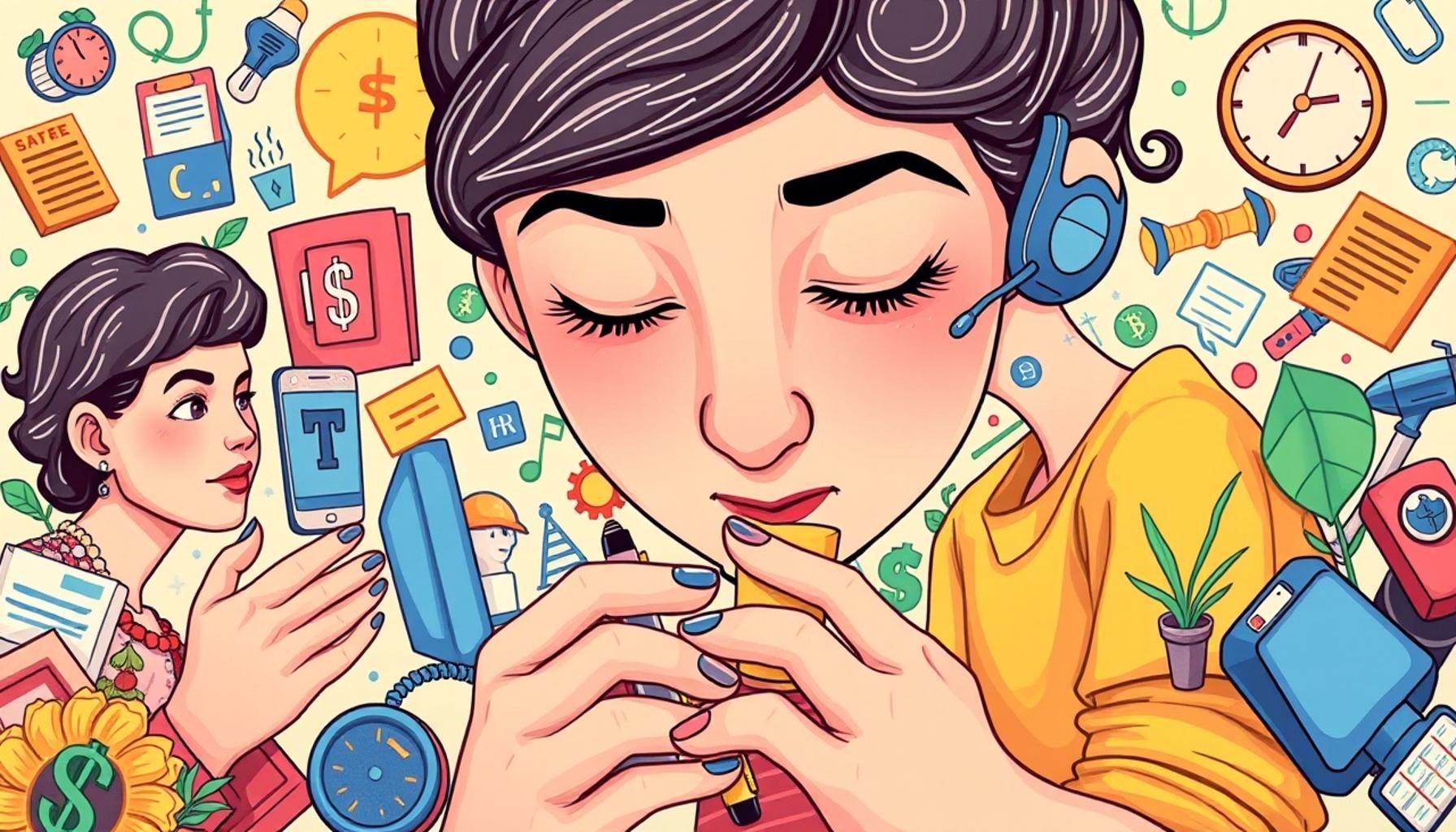
The Influence of Social Media on Young Minds
In today’s fast-paced digital world, social media has become an integral part of the daily routine for young people. With platforms like Instagram, TikTok, and Snapchat being part of their social landscape, these tools foster connections and enable vibrant self-expression. However, the implications for mental health are profound. It is crucial for students, parents, and educators to understand both the positive and negative impacts of social media.
Negative Influences
One of the most significant challenges young people face online is Increased Anxiety. As teens scroll through their feeds, they are often bombarded with images and stories of seemingly perfect lives, leading to feelings of inadequacy or low self-worth. For example, a teenager might feel anxious after seeing a peer’s glamorous vacation photos, prompting them to compare their own life unfavorably.
Cyberbullying presents another serious issue that affects countless adolescents. The anonymity of the internet can embolden individuals to say hurtful things they might not express face-to-face. According to research, over 30% of young people report being bullied online, contributing to diminished self-esteem and emotional distress.
Additionally, while social media is purported to connect us, it can ironically result in Isolation. Many young people find themselves scrolling through their feeds alone, fostering a sense of loneliness rather than companionship. This phenomenon is often encapsulated in the phrase “the more connected we are, the more disconnected we feel.” Social media interactions can replace genuine, face-to-face conversation, leaving individuals feeling unsatisfied.
Another widespread issue is the Fear of Missing Out (FOMO). Young individuals often observe their peers participating in exciting activities or events, leading them to feel excluded. This constant comparison can amplify feelings of loneliness and dissatisfaction, as they believe everyone else is living a more fulfilling life.
Positive Effects of Social Media
Despite these challenges, social media also boasts many positive aspects. One of the most significant benefits is the creation of A Sense of Community. Young people can connect with others who share similar interests, whether that’s related to art, mental health, or hobbies. Support groups flourish online, offering young people a safe space to share their struggles and find encouragement.
Moreover, social media platforms serve as powerful tools for Access to Resources. Organizations and campaigns often utilize these platforms to share vital information about mental well-being and coping strategies. For instance, mental health awareness hashtags can help users find crucial resources or professional support.
Finally, social media acts as a crucial outlet for creativity. Young artists, musicians, and writers can share their work with a global audience, finding validation and support. Platforms like TikTok and YouTube allow for the sharing of creative expression, helping young individuals showcase their talents while fostering a sense of accomplishment.
Navigating Social Media Wisely
As we assess the dual aspects of social media, it is crucial to acknowledge that it can be a double-edged sword. A balanced view enables young people to navigate their online experiences more effectively, reaping the benefits while mitigating the risks. By fostering open conversations about both the positive and negative impacts of social media, parents and educators can help guide youth toward healthier online habits and improve their overall well-being.
DISCOVER MORE: Click here to explore the future of shopping
Understanding the Dual Nature of Social Media
To navigate the landscape of social media and its effects on young people’s mental health, it is crucial to delve deeper into both the negative and positive influences these platforms can have. By identifying these factors, young people can better manage their social media presence and make informed choices about their online interactions.
Negative Influences
One of the most pervasive issues arising from social media usage is the rise of anxiety and depression. Numerous studies indicate that excessive social media use is closely linked to increased levels of anxiety and depressive symptoms among young people. This association can largely be attributed to social comparison, where teenagers may feel pressured to portray a perfect life online, often leading to a harmful cycle of dissatisfaction and low self-esteem.
- Comparison to Others: Seeing curated snippets of others’ lives—such as accomplishments and events—can lead youth to unfairly judge their own experiences, feeling inadequate in comparison.
- Unrealistic Beauty Standards: Social media often promotes specific body types and aesthetics that can cause young individuals to develop negative body image issues, which can further exacerbate feelings of unworthiness.
- Pressure to Maintain an Online Image: The fear of not meeting the expectations of followers may compel young people to portray an identity that is not authentic, creating an internal conflict that contributes to anxiety.
Another pressing concern is the prevalence of cyberbullying. Unlike traditional bullying, which usually occurs face-to-face, cyberbullying often happens anonymously and can be relentless. Victims may suffer in silence, leading to severe consequences such as actions affecting their mental health, leading to feelings of isolation or suicidal thoughts. Studies reveal that around 70% of young people have reported encountering some form of cyberbullying, indicating a critical need for effective interventions.
The consequences of social media can also result in a paradoxical sense of isolation. Even while connecting with peers online, some young people may feel a profound loneliness. They are able to interact with thousands of people yet might find themselves devoid of meaningful connections, creating a void that can negatively impact their emotional well-being. It is essential for young users to seek a better balance between virtual and physical interactions, so they can cultivate deeper relationships.
Moreover, the Fear of Missing Out (FOMO) is amplified by the constant flow of content on social media. Young people may experience anxiety by witnessing friends engaging in fun activities while they are unable to partake, leading to feelings of exclusion. This FOMO can drive them to over-engage with their devices, attempting to stay updated and involved, yet ironically leading to further isolation as they pull away from offline interactions.
Highlighting the Benefits
While the negative influences are significant, it is vital to acknowledge the positive aspects of social media that can support young people’s mental health. For instance, many platforms help foster communities of support, where individuals can find peers grappling with similar issues. This sense of belonging can provide comfort and validation that is crucial during challenging teenage years.
Additionally, social media can serve as a platform for spreading awareness about mental health issues. Campaigns focusing on mental wellness often utilize these platforms to educate young people about coping strategies and resources, helping to dismantle the stigma surrounding mental health.
Ultimately, it is essential to recognize that while social media can present challenges that affect mental health, it also has the power to connect, inform, and uplift young people when used responsibly. This balanced view lays the groundwork for understanding and managing the impact of social media on mental health effectively.
DISCOVER MORE: Click here to learn about the impact of automation on the job market
Finding Balance: Navigating Social Media’s Impact
As young people increasingly rely on social media, finding a balance between its benefits and pitfalls becomes crucial for mental health. It is essential for users to actively engage in practices that promote a healthy interaction with these platforms. Implementing digital literacy and mindfulness strategies can empower young individuals to take control of their social media experience.
Digital Literacy: Empowering Young Users
Digital literacy involves not only the ability to use technology but also the capability to critically evaluate online content. Teaching teens how to distinguish between genuine and curated information can be a game-changer. For example, when young people encounter overly filtered images or unrealistic portrayals of life, encouraging them to question the authenticity of such content can help mitigate feelings of inadequacy.
Schools and community programs can introduce workshops on digital citizenship, focusing on the importance of responsible online behavior and self-awareness about the content they consume. These programs can empower youth to recognize when they may need to limit their scrolling or distance themselves from certain accounts that trigger negative emotions.
Mindfulness Practices
Incorporating mindfulness techniques into daily routines can significantly enhance the mental well-being of young social media users. Encouraging practices such as meditation, gratitude journaling, and mindful breathing helps young individuals manage anxiety and stay connected to their feelings. For instance, spending a few minutes to journal about moment-to-moment experiences in the real world can ground youth and remind them of the value of their offline lives.
Additionally, conducting periodic digital detoxes, where one steps away from social media for a day or even week, can help recalibrate their mental focus. During this time, young people can engage in hobbies, exercise, or connect with family and friends face-to-face, allowing them to nurture relationships without the distractions of online notifications.
Building Supportive Online Environments
To cultivate a healthier social media landscape, young users can actively seek out and engage with supportive content. Following accounts that promote body positivity, mental health education, and realistic life portrayals can transform feeds into uplifting spaces. Curating a positive online environment—filled with motivational quotes, inspiring stories, and helpful resources—can counteract the negative influences that may arise from social media.
Furthermore, promoting open dialogues about mental health on social media can reduce stigma and encourage mutual support among peers. Initiatives such as mental health hashtags or campaigns that invite users to share their experiences can create safe spaces for discussion, reassuring young individuals that they are not alone in their struggles.
Parental Guidance and Communication
The role of parents and guardians is equally vital in shaping healthy social media habits. Maintaining an open line of communication about online experiences can foster trust and support, enabling young people to share their feelings regarding social media interactions. Parents can encourage discussions about their children’s online activities and help them navigate the complexities of social media, ensuring that their young ones are resilient and self-aware.
In addition to conversation, parents can assist by setting healthy boundaries around screen time. This can involve creating designated “tech-free” family times or encouraging hobbies that promote face-to-face interactions. By modeling balanced media consumption, parents can instill valuable lessons on how to successfully navigate the digital world.
By combining personal strategies, community support, and parental involvement, young individuals can cultivate a more positive relationship with social media, leading to improved mental health outcomes. Balancing the scales of social media experiences enables youth to thrive in both their online and offline lives.
DIVE DEEPER: Click here to discover more
Conclusion
In conclusion, the influence of social media on the mental health of young people is undeniably profound and multifaceted. While these platforms can provide a sense of community and connection, they also present challenges that can lead to heightened anxiety, depression, and negative self-image. It is crucial for young users to cultivate a critical awareness of their social media consumption habits and to actively seek positive interactions online.
The importance of digital literacy cannot be overstated; empowering youth to discern between real and distorted realities can help them better navigate the pressures of social media. Additionally, integrating mindfulness practices into daily life equips them with tools to manage stress and prioritize their mental well-being. Establishing a supportive online environment allows young people to focus on uplifting content and engage in meaningful conversations about mental health, breaking down the stigma surrounding these discussions.
Furthermore, parental guidance plays a vital role in fostering a balanced approach to social media. Open dialogue, healthy boundaries, and modeling positive behavior can significantly contribute to the resilience and self-awareness of young individuals. By joining forces—youth, families, and communities—we can create a framework that encourages responsible social media use, ultimately paving the way for healthy mental health outcomes. In this digital age, finding a harmonious balance between virtual interactions and real-world connections is essential for the well-being of young people, ensuring they thrive both online and offline.

Linda Carter
Linda Carter is a writer and expert known for producing clear, engaging, and easy-to-understand content. With solid experience guiding people in achieving their goals, she shares valuable insights and practical guidance. Her mission is to support readers in making informed choices and achieving significant progress.